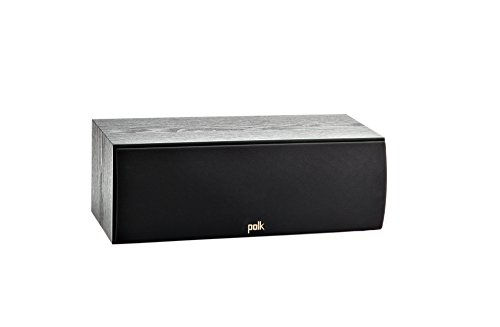
If you are tired of your laptop’s thin sound or your desktop speakers distorting at moderate volume, upgrading to a pair of active speakers is one of the most effective audio improvements you can make. Active speakers have built-in amplifiers, so you do not need a separate receiver or amp. This guide covers the best active speakers for 2026, focusing on models that deliver clear, powerful sound for music production, gaming, movies, and everyday listening. We have selected four top contenders from trusted brands like PreSonus, Edifier, VENTOSONIDO, and MEVOSTO. Whether you are setting up a home studio or just want richer audio for your record player, these picks will suit a variety of needs. For more ideas on upgrading your audio system, check out our roundup of home audio speakers.


Buying Guide: How to Choose the Best Active Speakers
Before you decide which active speakers to buy, consider these key factors. They will help you match the speakers to your room size, intended use, and audio preferences.
Sound Quality and Accuracy
The most important aspect of any active speaker is how it reproduces audio. Look for models with separate tweeters and woofers. Silk-dome tweeters are common in this price range and help reduce harshness in high frequencies. Woven-composite or carbon fiber woofers provide tighter bass. For studio work, you want a flat frequency response so you hear recordings accurately. For general listening, a slight bass boost can be enjoyable. The speakers we reviewed all offer some level of tone adjustment, allowing you to fine-tune the sound to your room.
Connectivity Options
Active speakers should easily connect to your devices. Common inputs include RCA, AUX, and USB. Bluetooth is a huge convenience for streaming from a phone or tablet. If you use a turntable, make sure the speakers have an input that works with your phono preamp. Some models also include a headphone jack for private listening. Consider how many devices you want to connect at once, speakers with multiple inputs let you switch between a computer, game console, and record player without swapping cables. For a more comprehensive look at different connection types, see our guide on home speakers for music.
Build Quality and Design
A sturdy cabinet reduces unwanted vibrations and improves sound clarity. MDF wood is preferred over plastic because it dampens resonance. The size of the speakers matters too: larger cabinets with bigger woofers produce deeper bass, but they need more desk or shelf space. Consider whether you want a classic wood finish or a modern black design. Also, check the length of the cable connecting the active (powered) speaker to the passive one, some are short, which may limit placement. If you plan to place speakers on a desk, near-field models with front-facing controls are more convenient.
If you need even more powerful sound for a larger room, you might explore floorstanding speakers or a full home speaker setup. The category page for speakers offers additional options.
Final Thoughts
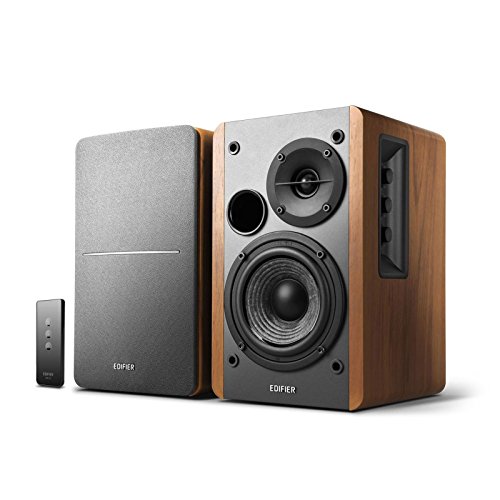
After evaluating these four models, two stand out for different uses. For studio monitoring and critical listening, the PreSonus Eris 3.5 Powered Studio Monitors, Pair deliver exceptional accuracy with acoustic tuning controls that let you adapt to any room. For a versatile everyday speaker that works beautifully with a turntable, computer, or TV, the Edifier R1280T Powered Bookshelf Speakers -2.0 offer classic style, remote control, and a warm, balanced sound that fills a room without distortion. Whichever you choose, you will experience a significant upgrade over basic computer speakers.
Frequently Asked Questions
What is the difference between active and passive speakers?
Active speakers have a built-in amplifier, so you can connect them directly to an audio source without a separate receiver or amp. Passive speakers require an external amplifier to power them. Active speakers are simpler to set up and are ideal for desktop or bookshelf use.
Do active speakers work with a TV?
Yes, many active speakers have RCA or AUX inputs that can connect to a TV’s audio output. Some also offer optical or Bluetooth connectivity. Check your TV’s audio outputs and choose a speaker with matching inputs. For a complete home theater experience, you may want to pair them with a subwoofer.
Can active speakers be used for gaming?
Absolutely. Active speakers with low latency and clear sound improve gaming immersion. Models with USB audio input work well with PCs and consoles like the PS5. Look for speakers that offer a headphone jack for late-night gaming sessions. Our home audio speakers guide includes more tips for gaming setups.
How much power do I need in active speakers?
For a typical desk or small room, 30 to 50 watts RMS per speaker is sufficient. More power allows you to play louder without distortion, but room size and speaker sensitivity also matter. The models in this review range from 36W to 50W RMS, providing ample volume for near-field listening in most home environments.