Setting up a home studio for music production, podcasting, or even high‑fidelity gaming requires speakers that deliver accurate, uncolored sound. You need monitors that reveal every detail in your mix without boosting or hiding frequencies. In this guide, we evaluate the best home studio speakers for 2026, focusing on models that combine precise audio reproduction with practical features for small to medium‑sized rooms. Whether you are a budding producer or a seasoned engineer, our curated list will help you find the right pair for your workflow. For more insight into what makes a great nearfield monitor, check our top studio monitor speakers for Crisp, accurate audio.



Buying Guide
Sound Quality and Driver Configuration
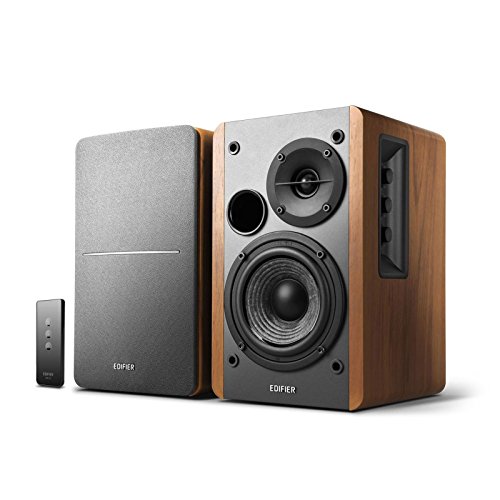
The heart of any studio monitor lies in its drivers. A well‑matched woofer and tweeter combination ensures balanced frequency response. For home studios, a 3.5‑inch to 4‑inch woofer paired with a silk dome tweeter is a common sweet spot, offering enough low‑end punch without overwhelming small rooms. Look for monitors with a flat frequency response curve, as they reproduce audio without artificial coloration. Models like the PreSonus Eris 3.5 and Edifier R1280 series use woven‑composite or full‑range drivers that have been carefully tuned for neutrality.
When evaluating sound quality, pay attention to the crossover design. Electronic two‑way crossovers, as found in the Ortizan C7, help separate frequencies cleanly, reducing distortion and improving clarity. If you plan to mix or master, prioritize monitors that offer a wide frequency range (80 Hz to 20 kHz or better) so you can hear both deep bass and airy highs.
Connectivity Options
Your studio monitor should integrate seamlessly with your existing gear. Balanced inputs (TRS or XLR) are ideal for professional audio interfaces, as they reject noise over longer cable runs. Unbalanced RCA and 3.5 mm aux inputs are convenient for consumer devices like computers, game consoles, or turntables. Some monitors, such as the Edifier R1280DB, include optical and coaxial digital inputs for lossless connection to TVs or DACs. Bluetooth 5.3, featured on the Ortizan C7, adds wireless convenience for quick playback from your phone or tablet. For vinyl enthusiasts, our best stereo speakers for vinyl guide offers additional insight into pairing monitors with turntables.
Room Acoustics and Tuning Controls
Every room affects sound. Hard surfaces cause reflections, while soft furnishings absorb high frequencies. The best home studio speakers include acoustic tuning controls that let you compensate for your environment. Look for high‑frequency (HF) and low‑frequency (LF) trim switches or knobs. The PreSonus Eris 3.5, for example, has built‑in acoustic tuning that allows you to cut or boost bass and treble to suit your placement near walls or corners. This feature saves you from investing in expensive room treatment right away. If you are building a complete listening setup, our best speakers for vinyl article covers additional considerations for room integration.
Size and Placement
Home studio monitors come in various sizes, and the right choice depends on your desk space and listening distance. Nearfield monitors (designed to be placed 2 to 4 feet away) are ideal for small studios. A 3.5‑inch woofer is sufficient for most desktop setups, while a 4‑inch driver can fill a larger room. Ensure your speakers have enough clearance from walls to avoid boomy bass. Many models, like the Edifier R1280T, feature a classic bookshelf form factor that fits neatly on a desk or shelf. For more placement tips, visit our Speakers category page.
Final Thoughts
After evaluating several top contenders, we recommend two models that stand out for different needs. For those who prioritize pure accuracy and professional‑grade sound, the PreSonus Eris 3.5 Powered Studio Monitors, Pair deliver exceptional clarity with their woven‑composite woofers and silk dome tweeters, plus built‑in acoustic tuning for any room. If you need versatile connectivity and wireless streaming without sacrificing sound quality, the Edifier R1280DB Powered Bluetooth Bookshelf offers optical, coaxial, and Bluetooth inputs along with a remote control. Both pairs have been validated by our team and are excellent investments for your home studio in 2026.
Frequently Asked Questions
What size studio monitors do I need for a home studio?
For a typical home studio with a desk setup, 3.5‑inch to 5‑inch woofers are ideal. Smaller drivers work well for nearfield listening and reduce bass buildup in compact rooms. If you have a larger space and want deeper low end, consider 5‑inch or 6.5‑inch monitors, but be prepared to treat your room.
Are powered or passive monitors better for home use?
Powered (active) monitors are generally better for home studios because they have built‑in amplifiers matched to the drivers, eliminating the need for a separate receiver or amplifier. They also often include crossover and tuning controls, making setup simpler and more reliable.
Do I need a subwoofer with studio monitors?
A subwoofer is not essential for most home studios, especially if your monitors have decent low‑frequency extension (down to 50 to 60 Hz). However, if you produce bass‑heavy music or want to feel the low end, adding a subwoofer can help. Ensure your monitors have a subwoofer output or crossover control.
Can I use home studio speakers for gaming?
Absolutely. Studio monitors provide accurate sound that enhances gaming immersion, especially for positional audio and detailed sound effects. Many models, like the Edifier R1280DB, have low latency and multiple inputs that work well with PCs and consoles. For a broader look at speaker options, see our best record player with speakers guide, which also covers multi‑purpose use.