You’ve got the 4K projector, the blackout curtains, and the oversized sectional. But when the latest blockbuster’s explosion scene falls flat or the whisper-quiet dialogue gets lost in a muddle of background noise, the magic fades. Upgrading to a dedicated Dolby Atmos setup is the single most dramatic step you can take, transforming your living room into a true cinematic space with sound that moves above and around you.
This guide is for anyone ready to ditch their TV’s tinny audio and dive into object-based surround sound. We’ll compare four top-tier Atmos solutions, covering everything from all-in-one soundbars that are ready to go in minutes to add-on height speakers that upgrade your existing system. Whether you’re a movie buff, a gamer, or a music lover, we’ll help you find the perfect match for your space and your ears.


Buying Guide: Choosing the Right Atmos Speakers
Before you commit to a purchase, consider how these four key factors will influence your listening experience. Getting these details right ensures you’ll enjoy every boom, whisper, and raindrop just as the director intended.
Channel Configuration and Speaker Type
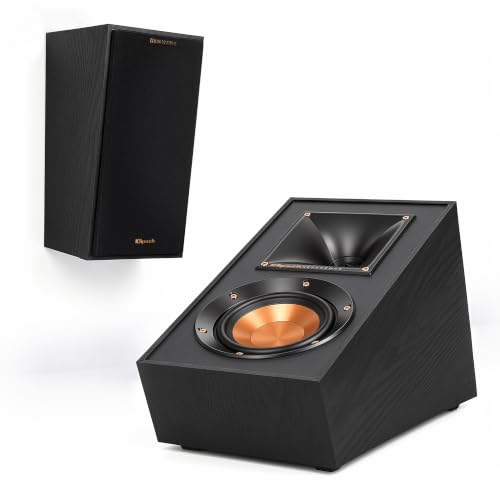
The most fundamental decision is whether to go with a soundbar or discrete speakers. All-in-one soundbars like the best soundbars offer a simplified setup with virtual height effects, while add-on modules that sit on your existing speakers or mount high on a wall provide a more direct, physical height channel. For the most authentic Atmos experience, dedicated up-firing speakers are the gold standard.
Think about your room’s layout and your tolerance for wires. A soundbar with wireless surrounds is a clean, low-friction option for rentals or smaller spaces. If you already have a solid receiver and floor-standing speakers, adding a pair of height modules is a cost-effective way to bring true 3D audio without a full system overhaul.
Up-Firing Drivers vs. Direct Firing
Atmos speakers use two main methods to deliver overhead sound. Up-firing drivers bounce audio off your ceiling to create a convincing illusion of height. This works best with flat, reflective ceilings between 7 and 12 feet high. For a more direct approach, some speakers feature angled drivers that point straight up, while others use a combination of both.
If your ceiling is textured, has exposed beams, or is simply too high, up-firing speakers may not perform optimally. In those cases, look for speakers with angled, positionable drivers that can be aimed toward your listening position. Understanding your room’s acoustics is key to choosing the right type.
Connectivity and Audio Codec Support
To unlock lossless Dolby Atmos, you’ll need an HDMI eARC connection. This high-bandwidth port supports the full, uncompressed object-based audio signal. Older ARC or optical connections will only carry compressed, lower-quality versions of Atmos. Check that your TV and any external source (like a streaming box or Blu-ray player) both support eARC to take full advantage of your new speakers.
Also, consider the source material. Streaming services like Netflix and Disney+ offer Dolby Atmos, but the bitrate is often lower than a 4K Blu-ray. For the absolute best performance, you’ll want a physical disc player and a receiver that can handle the high-resolution audio. If you’re building a system from scratch, best home theater speakers often come with the necessary inputs.
Amplification and Power Handling
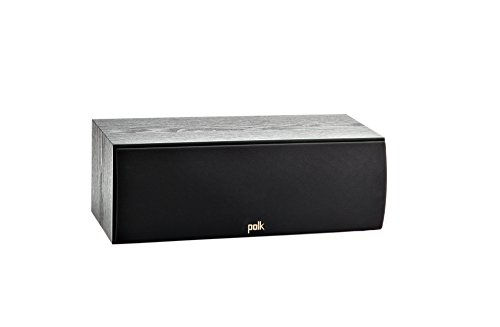
Passive speakers, like the Polk and Klipsch models, require an external AV receiver to power them. Ensure your receiver has enough power per channel to drive your speakers to the desired volume without distortion. Look for a receiver that supports at least 7 channels for a 5.1.2 setup, which includes two height channels.
Soundbars, on the other hand, are self-powered and don’t require a separate receiver. They’re designed to be plug-and-play, with all the amplification built-in. This makes them a simpler, more accessible option for many people, though it limits your ability to upgrade individual components later. For a balanced system, best surround sound speakers often pair well with an entry-level receiver.
Final Thoughts
Choosing the right Atmos speakers comes down to your existing setup and your appetite for a project. If you want a sleek, all-in-one solution with minimal fuss, the ULTIMEA 5.1CH Surround Sound Bar System with Dolby is a fantastic choice that brings the height effects without the complexity. For those who already have a receiver and want to elevate a traditional speaker setup, the Polk Audio Monitor XT90 Height Speaker Pair for 3D offers a fantastic way to add that overhead dimension seamlessly. Whichever path you take, you’ll be amazed at the difference true immersive audio makes.
Frequently Asked Questions
Do I need special speakers for Dolby Atmos?
Not necessarily. Many modern soundbars and speakers are designed to work with Dolby Atmos. However, for the best possible effect, you’ll want speakers that have up-firing drivers or are positioned to bounce sound off the ceiling. The Polk and Klipsch models we’ve discussed are specifically designed for this purpose.
Can I add Atmos speakers to my existing setup?
Yes, you can. If you have a compatible AV receiver, you can add a pair of height speakers to your front left and right channels. The Polk Audio Monitor XT90 speakers are an excellent choice for this, as they can sit on top of your existing floor-standing speakers or bookshelf speakers.
What is the difference between 5.1.2 and 5.1.4 channel Atmos?
The numbers refer to the number of channels: the first number is the traditional left, center, and right speakers, the second is the subwoofer, and the third is the number of height or ceiling channels. A 5.1.2 system has two height channels, while a 5.1.4 system has four. More height channels provide a more immersive and precise overhead sound field, especially for effects that move from front to back.
Are soundbars with Dolby Atmos worth it?
Absolutely, especially for their convenience. A soundbar like the ULTIMEA 5.1.2ch model offers a significant upgrade over TV speakers and creates a convincing Atmos effect with minimal clutter. They are a great option for apartments or anyone who doesn’t want to deal with a full component system. For a more in-depth look at soundbar options, you might find our guide on best wireless surround sound speakers helpful.