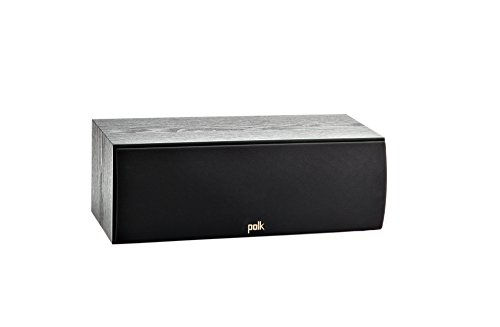
You’ve just settled in for a movie night, but the sound feels flat, with dialogue getting lost in the mix and explosions lacking that punchy impact. Upgrading to a Dolby Atmos speaker system can completely change that, adding height and dimension that makes you feel like you’re inside the action. This guide will walk you through the best Dolby Atmos speakers on the market, whether you’re a movie buff, a music lover, or a gamer seeking a competitive edge.
We’ve reviewed a range of options, from all-in-one soundbars to dedicated height speakers, to help you build an immersive audio setup without the guesswork. Our goal is to simplify the decision-making process, focusing on key features like driver configuration, connectivity, and ease of setup. Let’s dive in and find the perfect audio upgrade for your home.


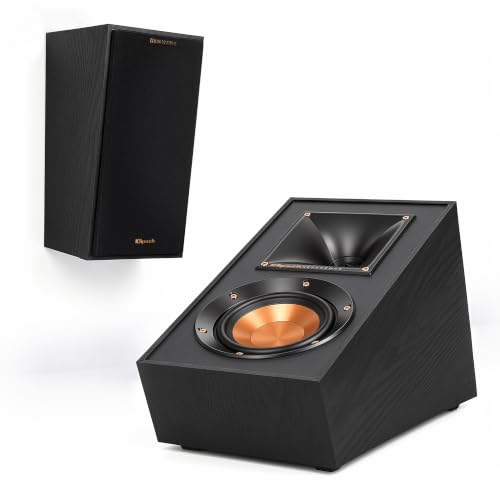
Buying Guide
Channel Configuration and Up-Firing Drivers
The number of channels and presence of up-firing drivers are the most critical factors in a Dolby Atmos speaker. A 5.1.2 system, for example, includes two height channels that reflect sound off your ceiling to create that overhead effect. This is a step up from a standard 5.1 setup and is the minimum recommended for true Atmos immersion.
Alternatively, you can add dedicated height speakers to an existing setup. For a seamless experience, consider a soundbar with built-in up-firing drivers, which are designed to be an easy, all-in-one solution. For more detailed information on creating a multi-speaker setup, you can explore our guide to home theater speakers.
Connectivity: HDMI eARC and Bluetooth
To get the best possible audio quality, look for speakers with HDMI eARC support. This provides the bandwidth needed for lossless Dolby Atmos sound, which is far superior to compressed alternatives. It also allows for easy control of your entire system with a single remote, simplifying your setup.
For streaming music from your phone or tablet, Bluetooth is essential. Look for the latest Bluetooth version, like 5.4, which ensures a stable connection and low latency. If you’re building a more complex system, you might also want to check our picks for wireless home theater speakers for more connectivity options.
Sound Quality and Driver Technology
Sound quality is subjective, but certain technologies are reliable indicators of performance. Look for features like dedicated subwoofers for deep bass, and specialized drivers like Klipsch’s Tractrix horn tweeters or Polk’s Dynamically Balanced woofers. These components contribute to a more detailed and dynamic soundstage.
Also, consider the power output and frequency response to ensure the speakers can fill your room with sound. For a more comprehensive look at speaker options, our guide to surround sound speakers is a great resource.
Final Thoughts
Choosing the right Dolby Atmos speakers ultimately comes down to your room size, existing equipment, and personal preferences. For a simple, all-in-one upgrade that delivers a massive leap in immersion, the ULTIMEA 5.1CH Surround Sound Bar System with Dolby is a fantastic place to start. If you’re building a more customizable home theater and already have a compatible receiver, the Polk Audio Monitor XT90 Height Speaker Pair for 3D adds a convincing height layer that will elevate your audio experience.
Frequently Asked Questions
Do I really need up-firing speakers for Dolby Atmos?
While not strictly necessary, up-firing speakers are the most common way to experience the overhead effects of Dolby Atmos without installing speakers in your ceiling. They work by bouncing sound off your ceiling to create a convincing height effect. For a truly immersive experience, they are highly recommended.
Can I use Dolby Atmos speakers with any TV?
Most modern TVs support Dolby Atmos passthrough via HDMI eARC or an optical connection, but for the best experience, you’ll want a TV with HDMI eARC. This allows for lossless audio transmission. If your TV is older, you may still be able to get a compressed version of Atmos, but the effect will be less impressive.
What’s the difference between a 5.1 and a 5.1.2 soundbar?
A 5.1 soundbar has five channels and a subwoofer, while a 5.1.2 system adds two height channels, typically via up-firing drivers. These height channels are what create the vertical dimension of sound, making you feel like a helicopter is flying overhead. This makes a 5.1.2 system significantly more immersive for Atmos content.
Are Dolby Atmos speakers worth it for music?
Absolutely. While most music is still mixed in stereo, many streaming services are beginning to offer Dolby Atmos Music tracks. These mixes place sounds around the room, creating a more spacious and enveloping listening experience. If you’re a fan of spatial audio, these speakers are a great investment for 2026.