Introduction
You have a big trip coming up, and every seasoned hiker knows that the right pack can make or break the experience. Whether you are planning a weekend in the wild or a multi-day traverse, the best backpacking backpack for men should carry your gear comfortably, keep your essentials organized, and withstand the elements without weighing you down. In this guide, we have evaluated three top contenders from trusted brands: TETON, WoneNice, and Loowoko. Each offers a different balance of features and value, so you can choose the one that best matches your adventure style. For an overall look at top outdoor gear, check out our Outdoor category for more recommendations.


Buying Guide
Capacity and Volume
Backpack volume is measured in liters, and for a multi-day backpacking trip, most men find that a 50 to 65 liter pack hits the sweet spot. The TETON 55L Scout offers 55 liters, while both the WoneNice and Loowoko packs provide 50 liters (with the WoneNice including an expandable collar for extra space). Think about the length of your trips and how much gear you typically carry. For shorter overnights, a 50 liter pack may be enough; for longer excursions with a tent and cooking gear, the extra 5 liters in the TETON can make a difference.
Suspension and Comfort
A pack that doesn’t fit well will ruin any hike. Look for adjustable torso lengths, padded hip belts, and breathable back panels. The TETON 55L features a multi-position torso adjustment and a durable open-cell foam lumbar pad with molded channels for airflow. The Loowoko and WoneNice rely on ergonomic S-type shoulder straps and ventilated back supports, but they lack an internal frame, which can limit load transfer to the hips. If you plan to carry heavy loads over rough terrain, an internal frame pack like the TETON is a smart investment. For day trips, a frameless pack may be sufficient. Read our guide on best hiking backpacks for day trips for more options.
Durability and Weather Resistance
Your gear needs protection from rain, dirt, and abrasion while on the trail. All three packs come with a rain cover, which is essential for sudden downpours. The TETON and Loowoko use high-quality polyester and nylon blends that are tear-resistant and anti-scratch. The WoneNice adds a water-resistant coating to its fabric. The TETON also includes a large sleeping bag compartment and compression straps to keep everything secure. For the most rugged conditions, we recommend packs with reinforced stitching and robust zippers. Our article on waterproof hiking backpacks dives deeper into this topic.
Organization and Extra Features
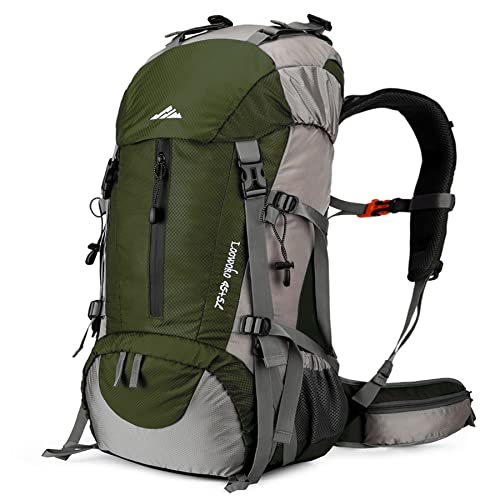
Having designated pockets for water bottles, snacks, and a hydration system makes a big difference on the trail. The TETON includes a hydration pocket and multiple compartments, including a separate sleeping bag section. The Loowoko stands out with a shoe separator and six external pockets, plus attachment points for trekking poles and ice axes. The WoneNice offers mesh side pockets and a front pocket for quick access. All three packs include a rain cover stored in a bottom pouch, and the TETON and Loowoko have multi-directional compression straps. Consider how many pockets you need and whether you prefer a top-loading or panel-loading design.
If you are on a budget, the best hiking backpack for the money guide offers more affordable options that don’t skimp on quality.
Final Thoughts
After assessing all three models, our top recommendation for serious backpackers is the Teton 55L Scout Internal Frame Backpack for its superior comfort, customizable fit, and rugged build that easily handles heavy loads over multiple days. For those who prioritize lightweight packing and a lower budget without sacrificing organization, the Loowoko 50L Hiking Backpack with Rain Cover is an excellent value with its comprehensive pocket system and thoughtful design. Both packs will serve you well on the trail, so choose based on the type of adventures you plan to tackle in 2026.
Frequently Asked Questions
What size backpacking backpack do I need for a week-long trip?
For a week-long trip carrying a tent, sleeping bag, stove, and food, most men need a pack between 55 and 65 liters. The TETON 55L is a solid choice, but if you pack minimal gear, a 50 liter pack from WoneNice or Loowoko can work with careful organization.
Is an internal frame backpack necessary for backpacking?
An internal frame helps transfer the load to your hips, reducing strain on your shoulders. For trips where you carry more than 20 pounds, an internal frame like the TETON is highly recommended. For ultralight trips with less than 15 pounds, frameless packs like the Loowoko or WoneNice can suffice.
How do I pack a backpacking backpack efficiently?
Place heavy items (cookware, food) close to your back and centered between your shoulder blades. Lighter items (clothing, sleeping bag) go in the bottom or top. Use side pockets for water bottles and frequently needed gear. Compression straps help stabilize the load. For hydration tips, check our guide on best water storage containers for camping.
Should I buy a hydration bladder for my backpack?
Yes, a hydration bladder makes drinking water on the trail convenient. The TETON 55L has a dedicated pocket, while the Loowoko and WoneNice can also accommodate a bladder. We recommend a 2-3 liter reservoir to stay hydrated without stopping. For more insight, see our review of hiking backpacks with hydration.