

You’ve just dropped into a firefight, your heart is pounding, and the last thing you need is a cable snagging or dragging. A laggy or unreliable mouse can mean the difference between a victory royale and a frustrating respawn screen. For gamers who demand precision and untethered freedom, the choice of a wireless mouse is no longer a compromise, it’s a necessity. This guide is designed for anyone, from competitive esports athletes to casual players, who wants to cut the cord without sacrificing performance. We’ll break down the top contenders on the market, helping you navigate the key features that matter most.
From the need for lightning-fast response times to the simple joy of a clutter-free desk, the right wireless gaming mouse can elevate your entire setup. We understand that with so many options, the decision can be overwhelming. That’s why we’ve done the legwork, diving deep into the specifications and real-world performance of six leading models. Whether you’re a dedicated MMO player needing a host of programmable buttons or a fast-paced FPS gamer seeking a featherlight frame, we have you covered. We’ll also point you to related resources to help you build the ultimate gaming station, like our guide to wireless gaming mice for a broader overview.


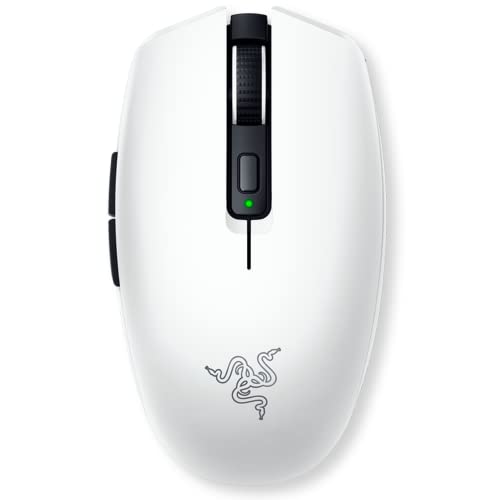


Buying Guide: How to Choose Your Ideal Wireless Gaming Mouse
Choosing the right wireless gaming mouse goes beyond just picking the most popular model. It’s about finding the perfect balance of technology and ergonomics that fits your unique playstyle. Here are the key factors we considered when evaluating the top contenders in this roundup.
Battery Life and Connectivity Modes
Wireless freedom is only as good as your battery life. You don’t want your mouse dying in the middle of a crucial match. Look for models that offer both a low-latency 2.4GHz wireless mode for competitive play and a more power-efficient Bluetooth mode for everyday tasks or travel.
Battery life can vary dramatically, from around 40 hours on the lower end to a staggering 950 hours on a single AA battery. Consider your own habits: do you need a rechargeable battery, or is the convenience of a single AA or AAA battery more appealing? A long-lasting mouse means fewer interruptions and more time focusing on your game.
Sensor Performance and DPI
The sensor is the heart of any gaming mouse. A high-quality optical sensor with a high DPI (dots per inch) setting allows for precise, pixel-perfect tracking, even during fast flicks. Look for sensors that can handle high-speed movements without spinning out or losing track.
While a high maximum DPI number looks impressive on the box, what’s more important is the sensor’s ability to maintain accuracy at various sensitivity levels. Features like adjustable DPI settings, which let you switch between different sensitivities on the fly, are also crucial for different in-game scenarios.
Ergonomics, Weight, and Button Layout
Comfort is king, especially during long gaming sessions. A mouse that feels great in your hand and is lightweight enough for quick maneuvers can significantly reduce fatigue. Consider the shape, size, and weight of the mouse in relation to your grip style and hand size.
For MMO players, a grid of programmable side buttons is a game-changer, allowing for quick access to abilities and macros. FPS players, on the other hand, might prioritize a minimal, lightweight design with responsive main buttons. Think about which features will genuinely improve your gameplay, not just look cool on paper.
Final Thoughts
Ultimately, the best wireless gaming mouse for you comes down to your personal preferences and gaming style. If you’re an MMO enthusiast who needs a wealth of programmable buttons, the Razer Naga V2 HyperSpeed Wireless MMO is an outstanding choice. On the other hand, if you’re an FPS player who values speed and simplicity, the Logitech G305 Lightspeed Wireless Gaming Mouse offers a lightweight, no-frills design that’s perfect for fast-paced action. Both are exceptional performers, so let your gaming priorities guide you to the perfect fit.
Frequently Asked Questions
What is the difference between Bluetooth and a 2.4GHz wireless gaming mouse?
Bluetooth is more power-efficient and convenient for connecting to multiple devices, but it can have slightly higher latency. A 2.4GHz wireless connection, often using a small USB receiver, provides a more stable and faster connection, which is critical for competitive gaming. Many modern gaming mice offer both modes, letting you switch based on your needs.
How many DPI do I need for a gaming mouse?
The DPI you need depends on your game and personal preference. For fast-paced FPS games, a lower DPI (around 400-800) is often preferred for precise aiming, while a higher DPI (1600+) can be useful for MMOs or for quickly turning around. Most gaming mice allow you to adjust the DPI on the fly, so you can find what works best for you.
Are wireless gaming mice as good as wired ones?
Yes, for the vast majority of gamers, modern wireless gaming mice are virtually indistinguishable from their wired counterparts. With low-latency wireless technology like Logitech’s LIGHTSPEED or Razer’s HyperSpeed, the response time is just as fast. The freedom of no cable is a huge advantage, and battery life has improved to the point where you can game for weeks or even months on a single charge or battery.
Can I use a wireless gaming mouse for work and productivity?
Absolutely. The same features that make a great gaming mouse, like high precision sensors and programmable buttons, are also beneficial for productivity tasks. The ability to connect via Bluetooth also makes it easy to switch between your gaming PC and a work laptop. For more insights, you can check our guide on wireless gaming mice.


