

You’re about to photograph a friend, a family member, or a client, and you want that portrait to be sharp, vibrant, and full of life. But your current camera keeps missing focus, or the colors look dull. Choosing the right tool makes all the difference. This guide focuses on the best cameras for portraits in 2026, covering options for every skill level, from beginners to advanced hobbyists.
We’ve evaluated a range of models, considering resolution, autofocus speed, and overall handling. Whether you’re shooting in a studio or outdoors, we’ll help you find a camera that fits your needs. For more options, you might also check our guide to the best cameras for photography to see broader choices.


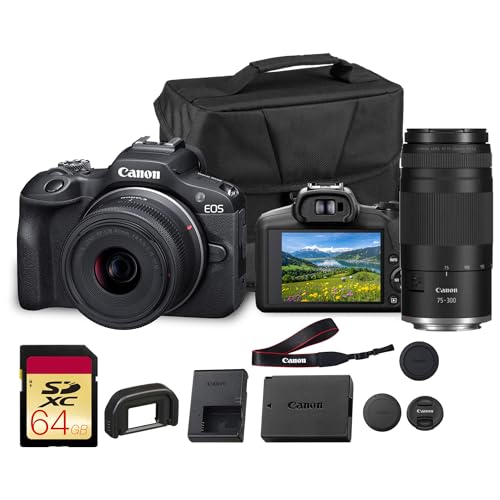

Buying Guide: What to Look For in a Portrait Camera
Resolution and Sensor Quality
For portraits, a higher resolution sensor helps capture fine details like skin texture and eye highlights. Look for a camera with at least 16 megapixels, but 20MP or more gives you flexibility to crop without losing quality. A larger sensor, like APS-C or full-frame, also helps create that creamy background blur, or bokeh, that makes portraits pop.
Consider the camera’s low-light performance. A sensor that handles noise well at higher ISOs lets you shoot in softer lighting without grainy results, which is often the difference between a good portrait and a great one.
Autofocus System
Fast and accurate autofocus is non-negotiable for portraits, especially when your subject is moving or you’re shooting wide open. Look for a camera with face or eye detection, which locks onto the subject’s eyes to ensure sharp focus. A quick autofocus system helps you capture spontaneous expressions without delay.
Some cameras offer advanced tracking that follows your subject even in challenging conditions. This is particularly useful for candid portraits or when shooting children and pets. For more on this, our guide for beginners might offer additional insight.
Stabilization
Camera shake can ruin a sharp portrait, especially in low light. Image stabilization, whether in the lens or in the camera body, helps reduce blur. A stabilized camera allows you to shoot at slower shutter speeds without a tripod, giving you more creative freedom.
For video or handheld shooting, look for a camera with strong stabilization. Some models offer digital or sensor-shift stabilization that works well even when you’re moving, making it easier to capture steady shots.
Ease of Use and Portability
If you’re new to portrait photography, a camera with intuitive controls and a touchscreen is a plus. Look for a model with a tilt or flip screen so you can shoot from creative angles. Portability matters too, as you’ll want to carry your camera with you to capture moments on the go.
Consider the camera’s size and weight, especially if you plan to take it on trips. A lightweight model with a good grip is easier to handle for extended shoots. For more tips, you might find our top picks for photography and video helpful.
Final Thoughts
Choosing the right portrait camera depends on your skill level and what you value most, whether it’s resolution, autofocus, or portability. For those seeking top-tier image quality and advanced features, the 8K Digital Cameras for Photography is a standout choice with its 88MP sensor and dual-lens setup. If you prefer a compact, user-friendly option that still delivers excellent results, the KODAK PIXPRO FZ45 16MP Compact Digital Camera offers great value and simplicity. Whichever you choose, the right camera will help you capture portraits that feel true to life.
Frequently Asked Questions
What is the best camera for portrait photography for beginners?
For beginners, a compact or entry-level DSLR with a kit lens is ideal. Look for a camera with a good auto mode and a flip screen, like the KODAK PIXPRO FZ45, which is easy to use and delivers solid image quality. It’s a great starting point to learn the basics of composition and lighting.
Do I need a full-frame camera for portraits?
Not necessarily. While full-frame cameras excel in low light and offer shallower depth of field, many crop-sensor cameras produce beautiful portraits. The key is the lens and your technique. A 50mm or 85mm prime lens on a crop sensor can give you excellent results without the higher cost of a full-frame body.
What features are most important for portrait photography?
Key features include a high-resolution sensor, fast and accurate autofocus with eye detection, and image stabilization. A camera that allows you to control depth of field is also important for creating that blurred background effect. For more insights, you can read our guide to professional photography cameras.
Can I use a tripod for portrait photography?
Yes, a tripod is useful for studio portraits or when shooting in low light. It keeps your camera steady and allows you to compose your shot precisely. A lightweight but sturdy tripod, like the K&F Concept 64 inch/163cm Lightweight Aluminum, is easy to carry and set up, making it a great addition to your gear.




