You’re in the middle of a trim job, and the extension cord keeps snagging on the workbench. You shift the router, but the cord pulls taut, yanking the bit off course. It’s frustrating, it’s inefficient, and it’s a problem you face every single time you work with a corded router. If this sounds familiar, it’s time to cut the cord. A cordless router gives you the freedom to move around your workpiece without fighting for outlet access, making every cut smoother and every project more enjoyable. But with so many options on the market, how do you choose the best cordless router for your needs? This guide breaks down the top contenders, focusing on power, control, and compatibility, so you can make an informed decision and get back to what you love: woodworking.


How to Choose the Best Cordless Router
Selecting the right cordless router involves more than just picking the most powerful motor. You need to consider how the tool fits into your existing setup, the types of projects you tackle, and the features that will make your work easier and more precise. Here are the key factors to evaluate.
Battery Compatibility
If you already own a set of power tools from a specific brand, the smartest move is to choose a cordless router that uses the same battery platform. This saves you money and eliminates the hassle of managing multiple chargers and battery types. For example, if you have DeWalt 20V tools, look for a router that works with those batteries. If you’re invested in the RYOBI ONE+ system, a RYOBI router is a natural fit.
Many cordless routers are sold as bare tools, meaning you provide the battery and charger yourself. This is cost-effective if you already have compatible batteries. Others come with a battery and charger included, which is convenient if you’re starting fresh or need an extra battery.
Motor Power and Speed Control
The motor is the heart of the router. Brushless motors are generally preferred for cordless tools because they offer more power, longer runtime, and greater durability than brushed motors. Look for a brushless motor with a high RPM range, ideally up to 30,000 RPM, to handle a variety of materials and bit sizes.
Variable speed control is another crucial feature. Different routing tasks require different speeds. For example, larger bits need slower speeds to prevent burning, while smaller bits work best at higher speeds. A router with multiple speed settings gives you the flexibility to match the speed to the task, resulting in cleaner cuts and less wear on both the bit and the material.
Ergonomics and Maneuverability
A cordless router should feel comfortable and balanced in your hands, especially during extended use. Look for a compact and lightweight design that allows for easy one-handed operation. Features like a soft-grip handle, a clear base for better visibility, and an integrated LED light can make a big difference in your comfort and accuracy.
Consider the base plate as well. A precision-machined aluminum base provides stability and reduces vibration, which translates to smoother, more accurate cuts. It also offers better durability than plastic bases, especially if you’re working on tough materials.
Included Accessories and Bits
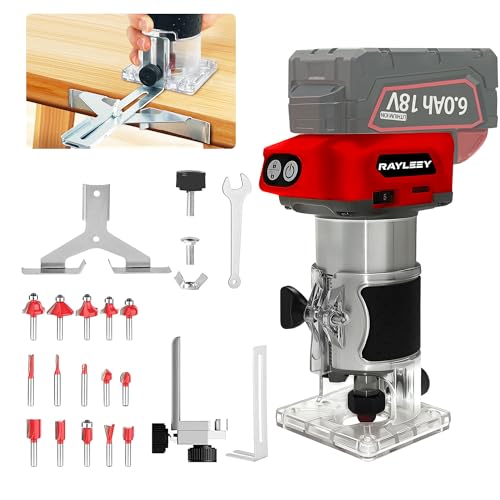
Many cordless routers come with a starter set of router bits and guides. This is a great value, especially for beginners. Look for a kit that includes common bits like straight, chamfer, and round-over bits, as well as an edge guide and a dust collection attachment. Having these accessories included means you can start your projects immediately without making additional purchases.
A dust collection port is also a valuable feature. It keeps your workspace cleaner and improves visibility, which is essential for precise routing. Some routers even come with a vacuum hose, so you can connect your shop vac directly to the tool.
Final Thoughts
Choosing the best cordless router comes down to your specific needs and existing tool ecosystem. Whether you prioritize battery compatibility, raw power, or a comprehensive accessory kit, there’s a cordless router out there that will make your woodworking projects more enjoyable and productive. By focusing on the key criteria outlined above, you can select a tool that will serve you well for years to come.
Frequently Asked Questions
What is the best cordless router for beginners?
For beginners, a compact palm router with variable speed and a good set of included bits is ideal. Look for a model that is lightweight and easy to control, like the RYOBI ONE+ 18V Cordless Compact Fixed Base Router. Its simple design and adjustable speed make it perfect for learning the basics of edge trimming and grooving.
Can I use a cordless router for heavy-duty tasks?
Yes, but you need a router with a powerful brushless motor and a high RPM range. Models like the Brushless Cordless Router for Woodworking, compatible with DeWalt 20V batteries, deliver up to 30,000 RPM and can handle demanding tasks in hardwood and plywood. Just be mindful of battery life and keep a spare battery charged for longer projects.
How long does a cordless router battery last?
Battery life varies depending on the battery capacity and the intensity of the task. A typical 2.0Ah battery might last 20-30 minutes of continuous routing, while a larger 5.0Ah battery can last over an hour. The SEESII Cordless Wood Router comes with a 4000mAh battery, which offers extended runtime compared to standard models. Always consider your typical project duration and invest in extra batteries if needed.
What is the difference between a trim router and a full-size router?
A trim router, also known as a palm router, is compact, lightweight, and designed for one-handed use. It’s perfect for edge trimming, flush cutting, and light grooving. A full-size router is more powerful and heavier, typically used with two hands for heavy-duty routing, such as cutting large dadoes or using large bits. For most DIYers and hobbyists, a cordless trim router offers the best balance of portability and capability.