

You’ve just finished a long editing session, and your laptop’s storage is full. Or maybe you’re looking at years of family photos scattered across old devices. That’s when you realize: you need a reliable backup solution, and an external hard drive is the simplest answer. In this guide, we’ll walk you through the best external hard drive for backup in 2026, covering both speedy SSDs and roomy HDDs. Whether you’re a creative professional or a home user, we’ve got a pick for you. If you’re also curious about compact options, check out our roundup of the best portable hard drive for more ideas.
Buying Guide: What to Look For in an External Backup Drive
Choosing the right external drive isn’t just about capacity. You need to consider speed, durability, and how you plan to use it. Here are the key factors we evaluated when selecting the best external hard drive for backup.
Storage Capacity
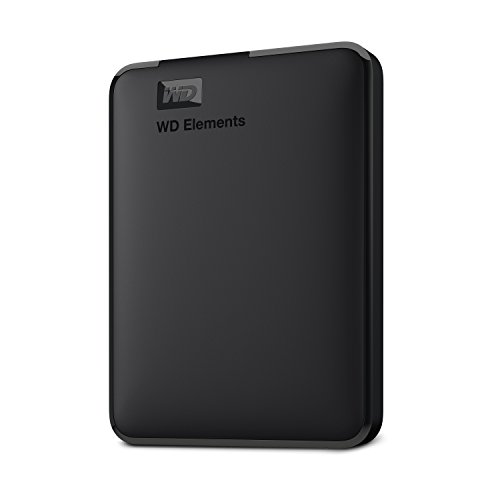
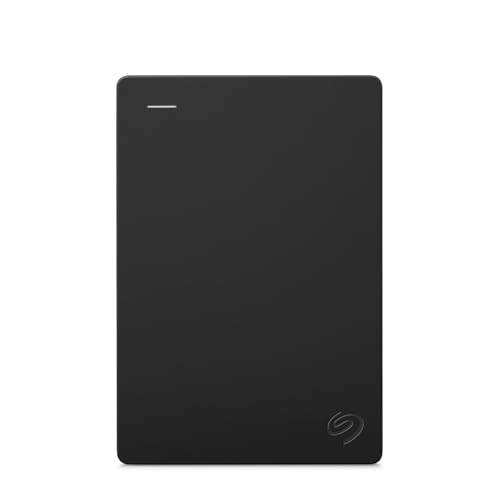
Think about what you’re backing up. If you have a large media library or work with big video files, you’ll want a high-capacity HDD like the WD 6TB Elements Portable External Hard Drive or the Seagate Portable 5TB External Hard Drive HDD. These offer terabytes of space for a reasonable price. On the other hand, if you only need to back up documents and a few projects, a 2TB SSD like the Sandisk 2TB Extreme Portable SSD might be plenty.
Remember that actual usable space is slightly less than the advertised amount due to formatting and system files. Always buy a bit more than you think you need, especially if you plan to keep the drive for years.
Speed and Performance
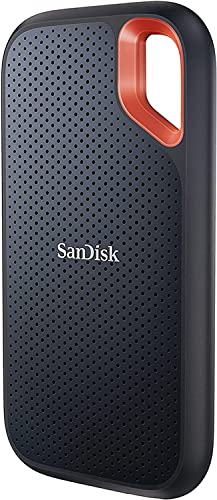
Speed matters when you’re backing up large files or running applications from the drive. SSDs like the Sandisk 2TB Extreme Portable SSD offer blazing-fast read speeds up to 1050MB/s, which is a game-changer for quick transfers. HDDs are slower, typically maxing out around 5Gbps (USB 3.2 Gen 1) but are perfectly fine for archival backups. If you’re a videographer or photographer, an SSD will save you time; for general backups, an HDD is sufficient.
Our best external SSD for the money guide dives deeper into SSD performance if that’s your priority.
Durability and Portability
If you travel with your drive, durability is crucial. The Sandisk 2TB Extreme Portable SSD is rated for up to 3-meter drop protection and IP65 water/dust resistance, making it a rugged companion. HDDs are more fragile because they have moving parts, so they need careful handling. However, they are lighter and more compact per terabyte. Consider where you’ll use the drive: at a desk or on the go.
For more on portable options, see our best 1TB external SSD article for smaller, travel-friendly drives.
Compatibility and Software
Check that the drive works with your operating system. Most drives are formatted for Windows out of the box, but many can be reformatted for Mac. The WD 6TB Elements is plug-and-play for Windows and can be used with Mac after reformatting. The Seagate drive comes with a one-year Rescue Service for data recovery, which is a nice safety net. Some drives include bundled software for backup or encryption. The Sandisk offers password protection via 256-bit AES hardware encryption to keep your data private.
Final Thoughts
When it comes to the best external hard drive for backup, there’s no one-size-fits-all answer. For those who need massive storage and don’t mind slower speeds, the WD 6TB Elements Portable External Hard Drive offers unbeatable capacity. If you prioritize speed and durability, the Sandisk 2TB Extreme Portable SSD is a stellar choice that can handle rough travel. Both are excellent, so pick the one that aligns with your specific needs.
Frequently Asked Questions
What is the best external hard drive for backup?
The best external hard drive for backup depends on your needs. For high capacity, the WD 6TB Elements is ideal. For speed and portability, the Sandisk 2TB Extreme SSD is a top pick. Both are reliable, but we recommend the Sandisk for active users and the WD for archival storage.
How much storage do I need for backup?
It depends on your data. A good rule of thumb is to get at least twice the size of your current storage. If your laptop has 1TB, consider a 2TB drive. For larger media collections, 5TB or 6TB drives offer ample space. You can always add more later, but starting with extra room saves hassle.
Are SSDs better than HDDs for backup?
SSDs are faster and more durable, making them great for active backups or travel. HDDs are more cost-effective per gigabyte and are fine for static backups. If you need speed, go SSD; if you need capacity on a budget, HDD is the way.
Can I use an external hard drive for backup on both Windows and Mac?
Yes, most drives can be reformatted to work with both. The WD 6TB Elements is formatted for Windows but can be used with Mac after reformatting. The Seagate drive works with both out of the box. Always check the product specifications for compatibility.


