You love the idea of a TV that fades into the background when not in use, but you also want a screen that delivers vivid colors for movie night. That is the magic of a frame TV: it looks like a piece of art hanging on your wall, yet hides a powerful 4K smart TV inside. With models from Samsung, Hisense, and TCL flooding the market in 2026, finding the best frame TVs can feel overwhelming. This guide walks you through the top contenders, what to look for, and which one fits your space and style.
nFrame TVs have come a long way since the original Samsung The Frame. Now you get glare-free matte displays, AI-powered processors, and even wireless connection hubs. Whether you are decorating a living room, bedroom, or home office, there is a model that blends in like a framed canvas. For a deeper look at how these compare to other design-focused televisions, check out our roundup of the best art TVs.
n



Buying Guide for the Best Frame TVs
nPicture Quality: Matte vs. Glare-Free Displays
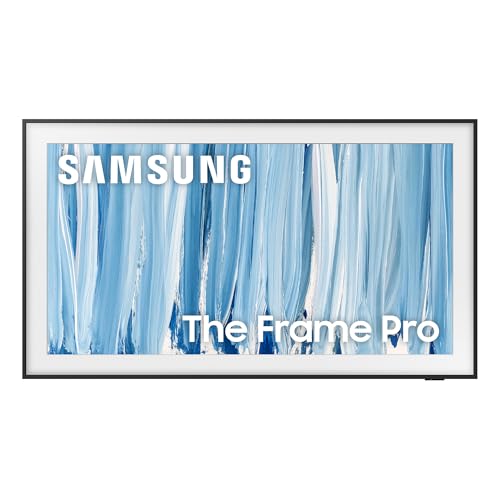
nThe defining feature of any frame TV is the screen finish. Most models now use a matte or glare-free panel to mimic canvas and prevent reflections from windows or lamps. Samsung’s The Frame LS03F and The Frame Pro LS03HW include a virtually glare-free matte screen, while Hisense’s CanvasTV features a Hi-Matte Display that eliminates distractions. TCL’s NXTVISION also boasts an Ultra Matte screen. If you watch TV in a bright room, prioritize a model with strong anti-glare technology.
nAdditionally, look at the backlight and contrast. Samsung’s high-end The Frame Pro models use Mini LED Neo QLED for deeper blacks and richer colors. Hisense’s Hi-QLED and TCL’s QLED 4K with Dolby Vision IQ also deliver vibrant hues. For sports and gaming, ensure the refresh rate is at least 120Hz, our guide to best 120Hz TVs can help you compare options.
nDesign and Wall Mount
nA frame TV should sit flush against the wall, just like a real painting. All the products we reviewed include a slim-fit wall mount, but the level of integration varies. Samsung’s The Frame LS03F connects devices through an external One Connect box with a single cable, keeping wires hidden. The Frame Pro LS03HW goes further with a Wireless One Connect hub, allowing zero-cable mounting. Hisense and TCL also include ultra-slim mounts and simple cable management. Consider how many cables you are willing to hide, wireless options offer the cleanest look.
nCustomizable bezels add to the art illusion. Samsung offers magnetic bezels in various colors and finishes (teak, white, gold). The Hisense CanvasTV comes with a teak frame; TCL includes a light wood magnetic frame. Swap them to match your decor.
nArt Mode Features and Content
nThe whole point of a frame TV is to display art when the screen is idle. Samsung’s Art Mode gives access to thousands of works from museums like MoMA and The Met via a subscription Art Store. It also supports personal photo uploads and motion sensors to light up only when someone enters the room. Hisense’s CanvasTV offers over 1,000 free curated artworks plus your own photos, while TCL’s NXTVISION includes 350+ classic masterpieces and 100,000+ AI-generated images, all at no extra cost. If you prefer a subscription-free approach, the TCL or Hisense models may appeal more.
nAll three brands use adaptive brightness and color temperature sensors to mimic real gallery lighting. For a broader perspective on design-led televisions, see our best dolby vision TVs article.
nSmart Platform and Connectivity
nSamsung’s Tizen platform (with Alexa built-in) powers its frame TVs, offering smooth navigation and voice control. Hisense uses Google TV, which integrates seamlessly with Chromecast, Google Assistant, and Apple AirPlay. TCL also runs Google TV, giving you access to thousands of apps and voice control. The higher-end Samsung models include the NQ4 AI Gen2 processor for AI upscaling and sound optimization. If you are already invested in the Google ecosystem, Hisense or TCL may fit better.
nFor gamers, many models support VRR up to 144Hz (Samsung The Frame LS03F and TCL NXTVISION). Hisense also boasts a native 144Hz panel with AI Smooth Motion. If gaming is a priority, check our top 40-inch TVs guide for more compact options.
nFinal Thoughts
nAfter evaluating each model’s display quality, design, art features, and smart capabilities, we recommend the Samsung 55-Inch Class The Frame Pro LS03HW Series for those seeking the most realistic art experience with a wireless connection hub and Mini LED picture, and the Hisense 55″ Hi-QLED S7 CanvasTV Series 4K UHD for a budget-friendly entry that still delivers a matte display and generous free art library. Both turn your wall into a gallery without compromising on modern TV performance.
nFrequently Asked Questions
nDo frame TVs look like real paintings?
nYes, the best frame TVs in 2026 use matte displays that reduce glare and add subtle texture, making art appear as if it is printed on canvas. Models like Samsung The Frame Pro and Hisense CanvasTV also include motion sensors that turn the screen on only when someone is present.
nCan I display my own photos on a frame TV?
nAbsolutely. Most frame TVs allow you to upload your own images via a smartphone app or USB drive. Samsung, Hisense, and TCL all support personal photo display, often with mat and frame style options to mimic a real framed photograph.
nAre frame TVs good for gaming?
nMany frame TVs now offer high refresh rates and low input lag. Samsung’s The Frame LS03F supports VRR up to 4K 144Hz, and TCL’s NXTVISION includes a 120Hz panel with FreeSync Premium. For dedicated gaming TVs, you may also want to browse our best 32 inch TVs guide.
nDo I need a subscription for the art library?
nSamsung’s Art Mode includes a subscription-based Art Store, though a limited selection of free artwork is available. Hisense offers over 1,000 complimentary works, and TCL provides 350+ classics and 100,000+ AI-generated pieces with no subscription required. Check each brand’s current offers before buying.