

Picture this: you’re parked at a crowded mall, and after a long day of shopping, you walk outside and your car is nowhere to be found. Or maybe you’re a parent watching your teen driver head out with friends, and you can’t shake the worry. These scenarios are all too real, but the best GPS tracker for vehicles can turn that panic into peace of mind. Whether you’re protecting a car, a fleet, or even a loved one, having a reliable tracking device means you’re always in the know.




How to Choose the Best GPS Tracker for Vehicles
With so many options on the market, finding the right tracker can feel overwhelming. Here are a few key factors to consider before you make a purchase.
Subscription vs. No Monthly Fees
One of the biggest decisions you’ll make is whether you want a tracker that requires a monthly subscription or one that works with no recurring costs. No-subscription trackers, like the GPS Tracker for Vehicles, are perfect if you want to avoid ongoing expenses. They often use Bluetooth or community-based networks to provide location data, which is great for budget-conscious users.
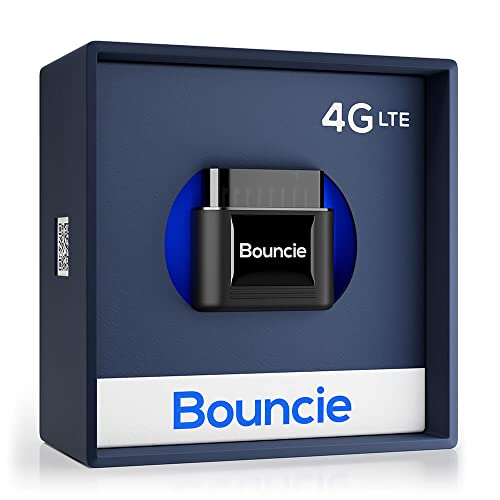
On the other hand, subscription-based trackers like the Bouncie GPS Tracker for Vehicles with Real-Time offer more advanced features, such as real-time updates, geofencing, and vehicle diagnostics. These are ideal if you need precise, live tracking and don’t mind a small monthly fee for the added peace of mind.
Battery Life and Power Source
Battery life can vary significantly between trackers. Some, like the NGXDFL Mini GPS Tracker for Vehicles, offer up to two years of battery life, making them perfect for long-term use without frequent recharging. Others, especially those that plug into the OBD-II port, draw power directly from your vehicle, so you never have to worry about charging.
Consider how often you want to interact with the device. If you prefer a set-it-and-forget-it approach, a long-lasting battery is a must. If you’re okay with periodic charging, a more feature-rich tracker might be worth the trade-off.
Real-Time Tracking and Alerts
The whole point of a GPS tracker is to know where your vehicle is at any given moment. Real-time tracking is a standard feature, but the frequency of updates can vary. Some trackers update every few seconds, while others might lag by a minute or more. For most users, updates every 10 to 30 seconds are sufficient, but if you’re monitoring a high-value asset, you’ll want the fastest updates available.
Alerts are another crucial aspect. Look for trackers that send instant notifications for events like speeding, hard braking, or entering/exiting a designated area. The LandAirSea 54 GPS Tracker excels in this area, offering customizable geofencing and real-time alerts directly to your phone.
Ease of Installation and Use
Nobody wants a complicated installation process. Most GPS trackers are designed to be user-friendly, but some are easier than others. OBD-II plug-and-play models, like the Bouncie, simply plug into your car’s diagnostic port and sync with an app in minutes. Magnetic trackers, like the Optimus 3.0 GPS Tracker Bundle, can be attached to any metal surface without tools, making them incredibly versatile.
Before you buy, check if the tracker is compatible with your smartphone’s operating system. Most modern trackers work with both iOS and Android, but it’s always a good idea to double-check.
In summary, the best GPS tracker for vehicles depends on your specific needs. If you want no monthly fees and long battery life, the GPS Tracker for Vehicles is a solid choice. For those who need real-time updates and vehicle diagnostics, the Bouncie GPS Tracker for Vehicles with Real-Time is hard to beat. Take your time, weigh the pros and cons, and choose a tracker that gives you the peace of mind you deserve.
For more tech insights, check out our review of the Sandisk 2TB Extreme Portable SSD or explore the best portable hard drive. If you’re into automotive gear, you might also like our guide to the best tire pressure gauges and top emergency flashlights for your car.
When you’re ready to make a decision, remember that the right tracker can make all the difference. Whether you’re protecting your daily driver or keeping an eye on a fleet, there’s a perfect option out there for you. Happy tracking!
If you’re torn between two great options, consider the GPS Tracker for Vehicles for its no-subscription convenience and the Bouncie GPS Tracker for Vehicles with Real-Time for its advanced driving insights. Both are excellent choices, but they cater to different needs, so think about what matters most to you.
Frequently Asked Questions
Do all GPS trackers require a monthly subscription?
No, not all GPS trackers require a monthly subscription. Some models, like the GPS Tracker for Vehicles, offer no-subscription tracking using Bluetooth or community-based networks. These are great if you want to avoid recurring costs, but they may have limitations in coverage and update frequency.
Can I use a GPS tracker on multiple vehicles?
Yes, many GPS trackers can be moved between vehicles. Magnetic trackers are especially easy to swap, as they simply attach to any metal surface. However, OBD-II plug-in trackers are usually tied to one vehicle’s diagnostic port, so they’re less portable. If you need flexibility, consider a portable magnetic model.
What is the battery life of a typical GPS tracker?
Battery life varies widely. Some trackers, like the NGXDFL Mini GPS Tracker, can last up to two years on a single charge, while others may need recharging every few weeks. OBD-II trackers often draw power from the vehicle, so they don’t rely on batteries at all. Check the product specifications for estimated battery life.
Are GPS trackers waterproof?
Many GPS trackers are designed to withstand harsh weather conditions, but not all are fully waterproof. Look for an IP rating, such as IP65 or IP67, to ensure the tracker can handle rain, snow, or dust. For example, the GPS Tracker for Vehicles has an IP65 rating, making it suitable for outdoor use.


