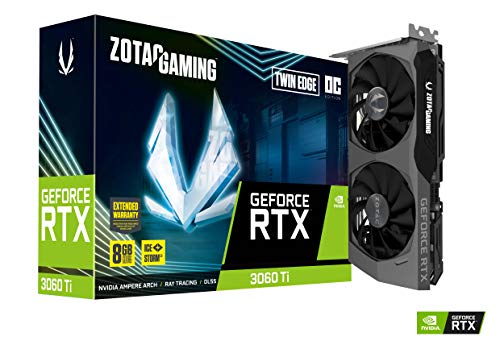
You have just built a powerful gaming rig, but the first time you fire up a demanding title, the fans roar to life and your case feels warm to the touch. That scenario is all too common, especially with high-performance graphics cards that prioritize raw speed over thermal management. If you want to enjoy immersive gaming without the noise or heat, you need a graphics card engineered to run cool. In this guide, we evaluate six top models from ASUS, ASRock, and MSI that excel at keeping temperatures low while delivering excellent performance. Whether you are building a compact system or a full-tower powerhouse, these cards offer reliable cooling solutions. For a deeper look at silent operation, check out our best silent graphics cards guide.


Buying Guide: What to Look for in a Cool Running Graphics Card
Cooling Design and Fan Technology
The heart of any cool GPU is its cooling system. Axial-tech fans, like those on ASUS cards, feature a smaller hub and longer blades that increase downward air pressure, pushing heat away from the heatsink more effectively. Dual or triple fan setups provide greater airflow, while 0dB Silent technology stops fans entirely under low loads for near silent operation. Some cards, like the MSI SUPRIM Liquid SOC, use liquid cooling to achieve exceptional thermal performance. When choosing, consider the number of fans, their bearing type (dual ball bearings last longer), and whether the card offers a zero RPM mode.
Thermal Interface and Heat Dissipation
Beyond fans, the materials that transfer heat from the GPU core matter. Phase-change GPU thermal pads, as used on the ASUS Prime RTX 5070, provide optimal heat transfer and lower temperatures. A robust heatsink with multiple heat pipes and a large fin array can dissipate heat quickly. Also, look for cards with a dual BIOS switch that lets you toggle between Performance and Quiet profiles, giving you control over fan speed and temperature targets. For energy efficient options, see our best energy efficient graphics cards roundup.
Power Efficiency and Heat Output
A card that draws less power generates less heat. Modern architectures like NVIDIA Blackwell and AMD RDNA 4 are designed for better performance per watt. Cards with factory overclocks, such as the ASRock RX 9070 Challenger, balance higher clock speeds with efficient power delivery. Always check the recommended power supply wattage, but a more efficient card means lower thermal output and quieter operation. Smaller form factors, like SFF-Ready cards, often incorporate clever thermal designs to keep cool in tight spaces.
Form Factor and Chassis Compatibility
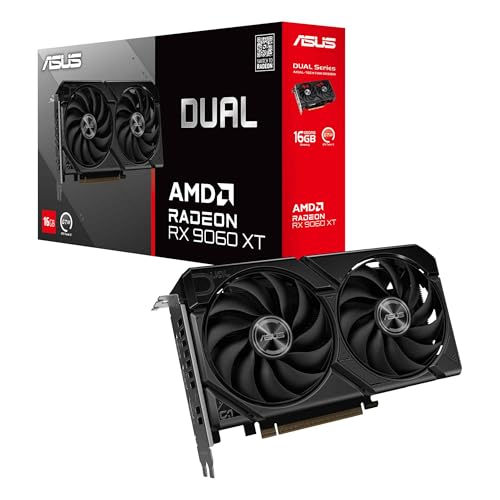
A card’s physical size and slot width affect airflow inside your case. 2.5-slot designs, like the ASUS Dual RX 9060 XT, offer a good balance between cooling performance and compatibility. Larger cards with triple fans may require more clearance but move more air. If you have a small form factor build, look for SFF-Ready cards such as the ASUS Prime RTX 5070. Ensure your case has adequate intake and exhaust fans to support the GPU’s cooling. For more on card categories, visit the Cards page.
Final Thoughts
Choosing a graphics card that runs cool is about balancing performance with thermal efficiency. For budget conscious builders, the ASRock Intel Arc B580 Challenger 12GB OC Graphics delivers impressive cooling with its dual fan design and 0dB silent operation, making it ideal for quiet 1080p and 1440p gaming. If you need high end performance with minimal heat, the ASUS SFF-Ready Prime NVIDIA GeForce RTX 5070 OC combines axial-tech fans with a phase change thermal pad for outstanding thermal control, perfect for small form factor builds. Both cards prove you can have powerful graphics without the noise and high temperatures.
Frequently Asked Questions
What makes a graphics card run cool?
A graphics card runs cool when its cooling system effectively transfers heat away from the GPU core. This involves a combination of heatsink design, heat pipes, thermal pads, and fans. Cards with larger heatsinks, more heat pipes, and efficient fan blades (like axial-tech fans) tend to keep temperatures lower. Also, power efficiency plays a role: cards that draw less power generate less heat.
How important is fan size for cooling?
Fan size matters because larger fans can move more air at lower RPMs, resulting in quieter operation. Many modern graphics cards use 90mm or 100mm fans that provide high static pressure while staying quiet. Dual or triple fan configurations also help, as they spread the cooling load across multiple fans. However, fan design and blade shape are equally important. Axial-tech fans, for example, direct airflow more efficiently.
Do liquid cooled GPUs run cooler than air cooled ones?
Yes, liquid cooled GPUs generally run cooler than air cooled models, especially under sustained loads. The MSI Gaming RTX 5080 SUPRIM Liquid SOC uses a liquid cooling loop to dissipate heat more effectively, keeping temperatures lower and allowing for higher boost clocks. However, liquid cooling requires a radiator and can be more complex to install. For most users, high quality air cooling is sufficient and more straightforward.
What is 0dB silent operation?
0dB silent operation is a feature where the graphics card fans stop spinning when the GPU temperature is low, typically during light gaming or idle. This eliminates fan noise entirely. When the card reaches a certain temperature threshold, the fans start spinning again to cool it down. Many ASUS and ASRock cards include this feature, making them ideal for quiet builds. For more on silent cards, see our best silent graphics cards article.