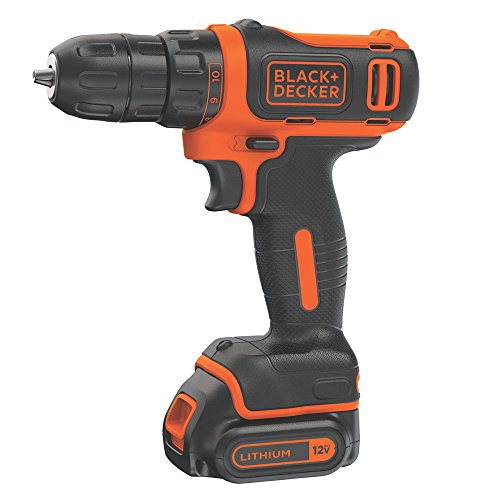
You are standing in your garage, holding a standard drill and a masonry bit, staring at a concrete wall. You need to hang a heavy shelf or mount a television, but the drill barely makes a dent. You wish you had the right tool for the job. That tool is a hammer drill designed specifically for concrete. In this guide, we evaluate the eight best hammer drills for concrete available today. We cover both corded and cordless options, from lightweight models for overhead work to heavy-duty rotary hammers for demolition. Whether you are a DIY enthusiast or a seasoned contractor, you can find the best match for your projects.
If you are undecided between corded and cordless, check out our detailed guide on the best cordless hammer drills for concrete for more insights on portability and power.



Buying Guide: What to Look for in a Hammer Drill for Concrete
Power and Impact Energy
The most important spec is impact energy, measured in joules (ft-lbs). For heavy demolition work, look for at least 5 joules. The Berserker 1-9/16″ SDS-Max Heavy Duty Rotary Hammer delivers 10 joules, making it ideal for breaking through thick concrete. For lighter tasks like drilling anchor holes, 2 to 3 joules is sufficient. A powerful motor (9 to 13 amps for corded models) ensures consistent drilling speed without bogging down.
Chuck Type: SDS vs. Keyless
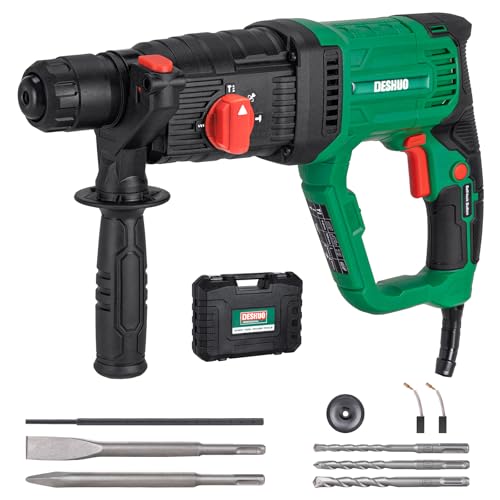
For concrete, SDS-plus or SDS-max chucks are standard. They allow quick bit changes and transfer impact energy efficiently. If you already own regular drill bits, some models like the Deshuo 1″ SDS-Plus Lightweight Concrete Rotary include a 1/2-inch adapter to use standard bits in drill-only mode. Keyless chucks are common on budget hammer drills like the Hammerhead 7.5-Amp 1/2 Inch Variable Speed Hammer, but they are less durable for sustained concrete drilling.
Modes and Versatility
Most rotary hammers offer three or four modes: rotary hammer (drilling with impact), hammer only (chipping), drill only (no impact for wood/metal), and chisel position adjustment. The ENEACRO 1-1/4 Inch SDS-Plus 13 Amp Heavy Duty includes all four, giving you maximum flexibility. For demolition, the Berserker model offers hammering with rotation and hammering only, plus a vario-lock for chisel angle. Evaluate your typical tasks to choose the right mode set.
Ergonomics and Vibration Control
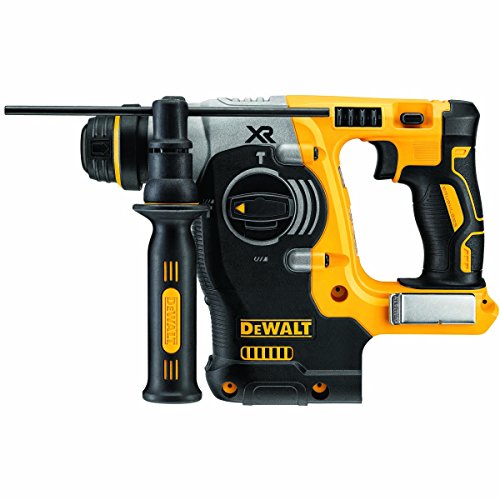
Prolonged hammer drilling can fatigue your arms and hands. Anti-vibration technology, like the SHOCKS Active Vibration Control on DEWALT models, significantly reduces strain. Adjustable side handles and lightweight designs (under 8 lbs) make overhead work easier. The Deshuo 1″ SDS-Plus Lightweight Rotary Hammer Drill weighs only 7.19 lbs, perfect for extended use. Additionally, safety clutches protect your wrists if the bit jams. For more on vibration-reducing tools, read our guide to the best rotary hammers.
Final Thoughts
After evaluating all eight models, our top recommendation for heavy concrete work is the Berserker 1-9/16″ SDS-Max Heavy Duty Rotary Hammer because of its extreme 10-joule impact energy and reliable overload clutch. For lighter tasks such as drilling anchors or tile removal, the Deshuo 1″ SDS-Plus Lightweight Rotary Hammer Drill offers excellent value with its versatile four modes and low weight. Whichever you choose, you will complete your concrete jobs with speed and confidence.
Related Guides
- Top Impact Drivers for DIY Projects in 2026
- Top Impact Drivers on Amazon
- Top 18V Impact Driver for 2026
Frequently Asked Questions
Can I use a regular drill bit in a rotary hammer?
Yes, but you need an SDS-plus to 1/2-inch adapter. The Deshuo 1″ SDS-Plus Lightweight Concrete Rotary comes with such an adapter, letting you use standard drill bits in drill-only mode. Without the adapter, only SDS bits fit the chuck.
How much impact energy do I need for concrete?
For light drilling into brick or masonry, 2 to 3 joules (2.2 to 3 ft-lbs) is enough. For thicker concrete or reinforced slabs, aim for 5 joules or more. The Berserker with 10 joules handles heavy-duty demolition. For occasional DIY use, 3 to 5 joules is a safe range.
Are cordless hammer drills powerful enough for concrete?
Yes, modern cordless models like the DEWALT 20V MAX SDS Rotary Hammer Drill deliver 2.1 joules and are ideal for drilling anchors or small holes. For larger projects, corded models generally offer more sustained power. See our best cordless hammer drill guide for a detailed comparison in 2026.
What is the difference between a hammer drill and a rotary hammer?
A hammer drill uses a percussive mechanism that is suitable for occasional brick drilling. A rotary hammer uses a piston mechanism with much higher impact energy, making it necessary for concrete and demolition. All the tools in this review are rotary hammers, except the Hammerhead 7.5-Amp which is a traditional hammer drill. For serious concrete work, choose a rotary hammer.