You’ve just drilled a pilot hole into what you thought was drywall, but the bit stops dead. You push harder, the drill whines, and you realize you’re up against reinforced concrete. A standard drill won’t cut it. You need a rotary hammer—a tool that combines rotation with hammering to pulverize tough materials. Whether you’re hanging shelving on a concrete wall, chipping out tile, or breaking up an old slab, choosing the best rotary hammer for your needs makes all the difference.
Product Comparison: Top Rotary Hammers
To help you decide, we’ve compared the leading rotary hammers on the market. Our list includes corded and cordless models from trusted brands like DEWALT, ENEACRO, AOBEN, and more. Each one has been evaluated for power, comfort, and versatility.




Key Buying Criteria for a Rotary Hammer
Power and Impact Energy
The motor’s amperage or voltage and the impact energy (measured in joules) determine how fast and how deep you can drill into concrete. For occasional DIY tasks, a 7-amp corded model with 2-3 joules is sufficient. For daily professional use, a 13-amp corded or 20V/60V cordless model with 5-6 joules will handle rebar and thick slabs with ease.
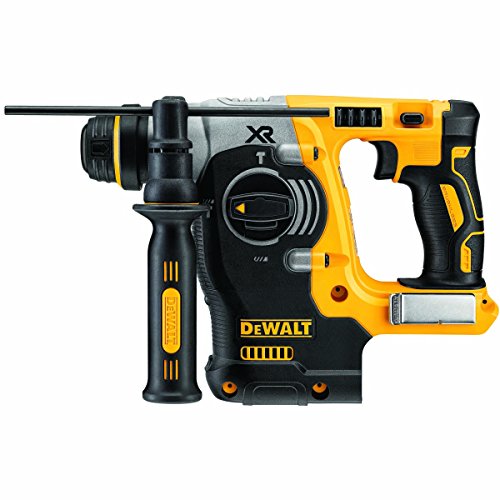
For example, the ENEACRO 1-1/4 Inch SDS-Plus 13 Amp Heavy Duty delivers 6 joules of impact energy, making it a beast for heavy demolition. On the other hand, the DEWALT 20V MAX SDS Rotary Hammer Drill, Cordless offers cordless convenience with brushless efficiency, ideal for overhead work.
Chuck Type and Bit Compatibility
Rotary hammers use SDS-Plus or SDS-Max chucks. SDS-Plus is lighter and suitable for holes up to 1-1/4 inch in concrete. SDS-Max handles larger bits (up to 2 inches) and heavier demolition. Always check which bit type your hammer accepts—SDS-Plus bits won’t fit SDS-Max chucks and vice versa.
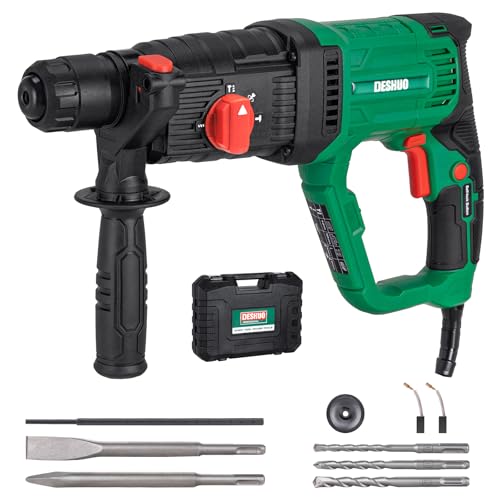
For instance, the Deshuo 1″ SDS-Plus Lightweight Rotary Hammer Drill is designed only for SDS-Plus bits, while the Berserker 1-9/16″ SDS-Max Heavy Duty Rotary Hammer uses SDS-Max for maximum impact. Make sure your existing bits are compatible or purchase the appropriate set.
Vibration Control and Safety
Prolonged use of a rotary hammer can cause hand-arm vibration syndrome. Look for models with vibration-reducing handles or active vibration control. Also, a safety clutch is crucial—it disengages the drive if the bit jams, protecting your wrists from sudden torque.
Both the AOBEN Rotary Hammer Drill with Vibration Control and the DEWALT SDS Rotary Hammer Drill feature advanced vibration control systems. The AOBEN also includes a safety clutch, making it a safe choice for extended chipping tasks.
Modes and Versatility
Most rotary hammers offer three modes: drill-only (for wood/steel), hammer-drill (for concrete), and hammer-only (for chiseling/demolition). Some models add a chisel rotation adjustment for precise chipping. If you need a multi-purpose tool, choose one with all modes and a variable speed trigger.
The Enventor Rotary Hammer Drill with Safety Clutch offers three modes and a 360-degree rotating handle, perfect for working in tight spaces. The ENEACRO SDS-Max Heavy-Duty Rotary Hammer Drill adds an adjustable chisel function, giving you more control during demolition.
Frequently Asked Questions
What’s the difference between a rotary hammer and a hammer drill?
A hammer drill uses a cam-action chuck that produces rapid, low-impact hammering, suitable for occasional masonry drilling. A rotary hammer uses a piston mechanism to deliver high-impact blows, making it far more effective for drilling into concrete or breaking up materials. For any serious concrete work, a rotary hammer is the right tool.
Can I use regular drill bits in a rotary hammer?
No, rotary hammers require SDS-Plus or SDS-Max bits, which have a special shank that locks into the chuck and allows the hammering action. However, some models include a 1/2-inch chuck adapter that lets you use standard round-shank bits in drill-only mode. Check if your hammer includes such an adapter, like the Deshuo 1″ SDS-Plus Lightweight Concrete Rotary.
Is a cordless rotary hammer as powerful as a corded one?
Modern cordless rotary hammers, especially those with brushless motors and high-voltage batteries (20V, 60V, or 36V), can match the performance of many corded models. However, for continuous heavy demolition, a corded model provides unlimited runtime and consistent power. Choose cordless for portability and convenience, corded for maximum sustained power.
What size rotary hammer do I need?
Consider the maximum hole diameter you’ll drill and the hardness of the material. For light-duty tasks like anchors up to 1/2 inch, a 1-inch SDS-Plus model is enough. For holes up to 1-1/4 inch or chipping, go for a 13-amp SDS-Plus. For heavy demolition or drilling over 2 inches, choose an SDS-Max model with higher impact energy.
Now that you know what to look for, explore the list above to find the best rotary hammer for your projects. Whether you need a lightweight cordless for overhead work or a demolition beast for breaking concrete, there’s a tool that fits your needs.