You know the frustration: a dull knife that squashes a ripe tomato instead of slicing it cleanly. Whether you’re prepping a quick weeknight dinner or carving a roast for a holiday gathering, a sharp blade makes every cut safer and more efficient. But with so many sharpeners on the market, finding the best knife sharpener for your needs can feel overwhelming. In this guide, we’ve reviewed four top-rated models—from budget-friendly manual tools to professional electric sharpeners—so you can restore your knives to peak performance. If you’re also looking to upgrade your cutting tools, check out our picks for the best boning knives for precision work.


Buying Guide: What to Look For in a Knife Sharpener
Sharpening Stages & Versatility
The number of sharpening stages directly affects how well a tool can repair, refine, and polish a blade. A basic model may only offer coarse and fine slots, while a multi-stage system includes a dedicated scissors slot or a stropping stage for a mirror finish. For most home cooks, a 3- or 4-stage sharpener provides the flexibility to handle everything from heavily dulled chef knives to delicate serrated blades. If you frequently use specialty knives, consider a model that also accommodates scissors or pocket knives.
Ease of Use: Manual vs. Electric
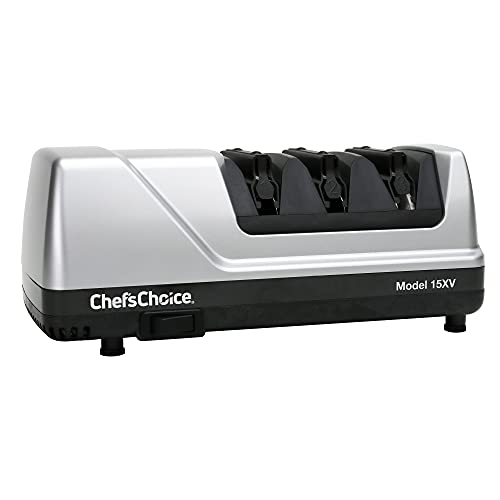
Manual sharpeners are compact, affordable, and require no power—just a few gentle pulls through the slot. They’re ideal for quick touch-ups and for those who prefer a hands-on approach. Electric sharpeners, like the Chef’sChoice 15XV, deliver consistent results with minimal effort; you simply draw the blade through motorized abrasive wheels. However, they take up more counter space and cost significantly more. Your choice should match how often you sharpen and your comfort with the process.
Build Quality & Safety Features
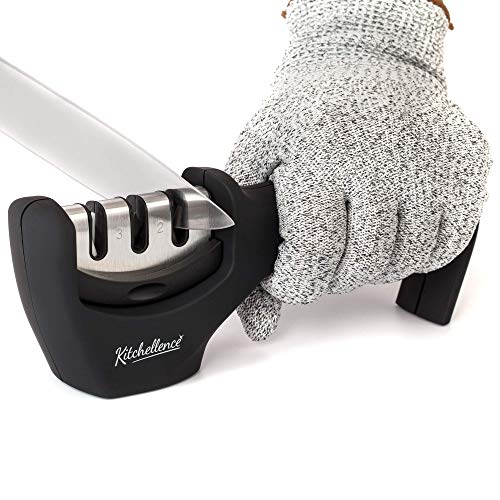
A sharpener should feel solid and stay put during use. Look for non-slip bases, ergonomic handles, and protective features like finger guards or included cut-resistant gloves. Durable materials—such as ABS plastic and diamond abrasives—ensure the tool lasts for years. Safety is especially critical for manual models, where a slip could lead to a cut. The Longzon 5-in-1, for example, includes a cut-resistant glove and a non-slip base for extra peace of mind.
Compatibility with Different Blade Types
Not all sharpeners work well with serrated or Asian-style blades. Some manual sharpeners have dedicated slots for serrated knives, while electric models often include a special stage for them. If you own a mix of straight-edge and serrated knives, choose a sharpener that explicitly handles both. For straight-edge blades, the angle guide matters: a 15-degree edge (like the Chef’sChoice) delivers ultra-sharp performance, while 20-degree edges are more durable for heavy-duty tasks. For more on blade styles, see our santoku knife review.
Final Thoughts
After evaluating each model’s performance and features, we recommend two standout options for different needs. For a budget-friendly, versatile manual sharpener that’s safe and easy to use, the Longzon 5-in-1 Knife Sharpener 4 Stage is our top pick for home cooks. If you prefer a powerful electric solution that delivers a professional-grade edge in seconds, the Chef’sChoice 15XV EdgeSelect Professional Electric is worth the investment. Both will keep your knives performing like new, making meal prep faster and safer.
Frequently Asked Questions
How often should I sharpen my kitchen knives?
For most home cooks, sharpening every 2-3 months is sufficient if you use a honing steel weekly. Heavy use may require monthly sharpening. The best knife sharpener for 2026 can restore a dull edge in under a minute, making maintenance quick and easy.
Can I use a manual sharpener on serrated knives?
Yes, but only if the sharpener has a dedicated serrated slot. The Longzon 5-in-1 and the AccuSharp both handle serrated blades effectively. For electric sharpeners, the Chef’sChoice includes a stage designed to polish and prolong the life of serrated edges.
Which is better: manual or electric knife sharpener?
It depends on your priorities. Manual sharpeners are portable, inexpensive, and give you control over pressure and angle. Electric sharpeners are faster and deliver consistent results with less effort. For occasional use, a manual model like the AccuSharp is a great choice. For daily heavy use, an electric like the Chef’sChoice saves time. Learn more about choosing the right tools in our chef knife under $50 guide.
How do I maintain my knives after sharpening?
Store knives in a block or magnetic strip to protect edges. Use a cutting board made of wood or soft plastic, and avoid glass or stone surfaces. Regularly hone with a steel rod between sharpenings to keep the edge aligned. For more kitchen organization tips, see our picks for refrigerator storage bins to keep your space tidy.