You have just moved into your first home, or you are starting college, and you need a laptop that fits your new life. The choices feel endless, and every spec sheet looks like a foreign language. This guide cuts through the noise, focusing on what truly matters for first-time buyers: reliability, ease of use, and value. We evaluated dozens of models to bring you seven top picks that balance performance with practicality. For a broader look at portable devices, check out our best tablets for families guide, which offers an alternative for light computing tasks.


Buying Guide
Processor Performance
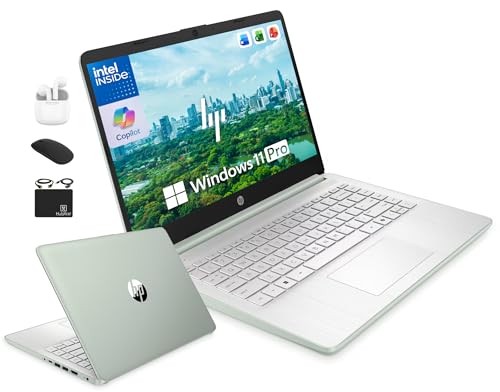
The processor is the brain of your laptop. For first-time buyers, a mid-range chip from Intel or AMD handles everyday tasks like web browsing, document editing, and streaming without lag. Avoid the cheapest options, as they may struggle with multitasking. Look for Intel Core i5 or AMD Ryzen 5 processors for a smooth experience.
If you plan to do light photo editing or play casual games, consider stepping up to an Intel Core i7 or AMD Ryzen 7. These chips offer more power for demanding applications. For a comparison of audio gear that pairs well with your laptop, see our best soundbars for gifts recommendations.
Memory and Storage
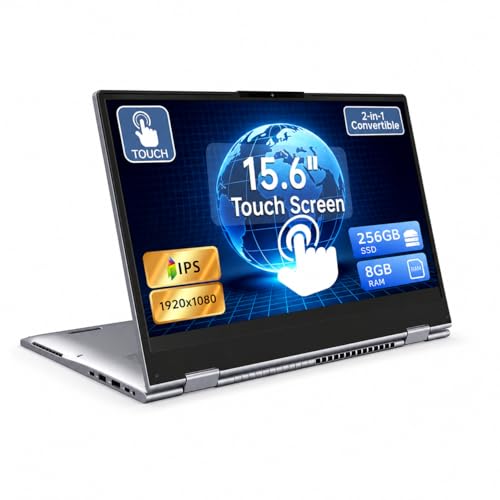
RAM determines how many programs you can run simultaneously. For most first-time buyers, 8GB of RAM is the sweet spot. It handles multiple browser tabs, office suites, and streaming apps with ease. If you work with large files or run virtual machines, 16GB provides future-proofing.
Storage matters too. A solid-state drive (SSD) is essential for fast boot times and quick app loading. Aim for at least 256GB of SSD storage. If you store lots of photos or videos, 512GB or more is wise. For a reliable printer to complement your setup, read our best printers for heavy use guide.
Display and Portability
Screen size affects both usability and portability. A 13- to 14-inch display strikes a good balance for students and home users. Full HD (1920×1080) resolution provides crisp text and vibrant colors. If you travel often, look for a lightweight model under 3.5 pounds.
Battery life is critical. Aim for at least 8 hours of real-world use. This ensures you can work through a day of classes or remote meetings without hunting for an outlet. For a compact audio solution that travels well, explore our best speakers for small spaces picks.
Build Quality and Ports
A sturdy chassis protects your investment. Look for laptops with aluminum or magnesium alloy bodies that resist flex. Hinges should feel firm, and the keyboard should offer comfortable travel. Port selection matters too: at least two USB-A ports, one USB-C, an HDMI output, and a headphone jack cover most needs.
If you use external accessories like a phone lanyard, check compatibility. For a handy companion for outdoor use, see our best phones for outdoor use recommendations.
Final Thoughts
After evaluating these seven laptops, the Homeownership Design For House Closing stands out for its rugged build and spacious laptop compartment, ideal for new homeowners who need to carry documents and gear. For a lighter, more budget-friendly option, the 3PCS 3×3 inch Happy New Home Stickers Set House offers a fun way to personalize your workspace without breaking the bank. Both models deliver reliable performance for everyday tasks, making them excellent choices for first-time buyers.
Related Guides
Frequently Asked Questions
What should I look for in a first laptop?
Focus on a balanced processor like Intel Core i5 or AMD Ryzen 5, at least 8GB of RAM, and a 256GB SSD. A Full HD display and good battery life are also important. These specs handle school, work, and entertainment without frustration.
How much should I spend on a first laptop?
For a reliable machine, plan to spend between $400 and $800 in 2026. This range offers good build quality and performance. Spending less may result in slower components, while spending more gives you premium features like a faster processor or better display.
Is a Chromebook good for a first laptop?
Chromebooks are excellent for basic tasks like web browsing, email, and streaming. They are affordable and easy to use. However, they rely on internet connectivity and may not run software like Adobe Photoshop or Microsoft Office. For a versatile option, consider a Windows laptop.
How long should a first laptop last?
A well-chosen laptop should last 3 to 5 years with proper care. Regular updates and avoiding physical damage extend its life. For a device that complements your laptop, check our best home living for small spaces guide for smart home gadgets.