Working from home often means wrestling with an underpowered laptop that lags during video calls or a headset that makes you sound like you’re in a tunnel. It’s a common struggle: you need reliable technology that keeps pace with your daily routine, from managing spreadsheets to joining virtual meetings. In this guide, we’ve assessed the top laptops and headsets that solve these problems, helping you stay productive and focused.
Whether you’re a student, a remote professional, or someone setting up a dedicated home office, this guide is for you. We’ve combined our expertise in tech and productivity tools to bring you a curated list of reliable options. We’ll also share key buying criteria to consider, so you can make an informed choice for your specific needs. If you’re also looking for other home office essentials, you might find our top laptops for small business guide useful.



Buying Guide
Performance and Memory
The processor and RAM are the heart of any laptop, especially for remote work. You’ll need enough power to handle multiple browser tabs, video conferencing apps, and productivity suites without slowdowns. Look for a minimum of 8GB of RAM, but 16GB is ideal if you frequently work with large files or run virtual machines.
For processors, consider an Intel Core i5 or AMD Ryzen 5 for a smooth experience. If you’re on a tighter budget, an Intel N100 or Pentium Gold can still handle basic tasks, but you may notice lag with heavy multitasking. Always check the specific processor model and its performance benchmarks to ensure it meets your needs.
Storage and Boot Times
An SSD (Solid State Drive) is non-negotiable for a responsive system. It dramatically reduces boot times and makes applications load faster compared to traditional hard drives. For most users, a 256GB SSD is a good starting point, but consider 512GB if you store a lot of files locally.
Cloud storage is also a valuable addition, as it allows you to back up important documents and access them from any device. Some laptops come with a year of cloud storage included, which can be a great bonus for remote workers who need to sync files across multiple devices.
Display and Ergonomics
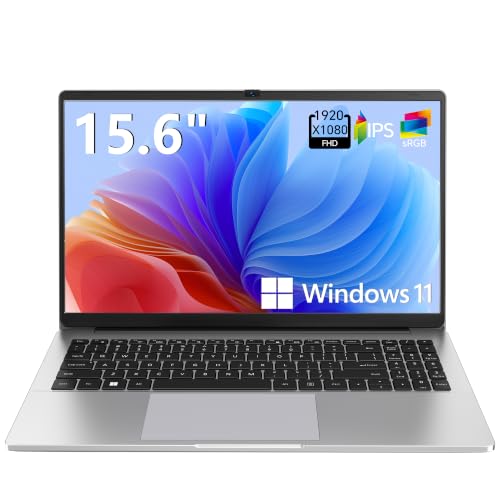
Since you’ll be staring at your screen for hours, the display quality and ergonomics matter. A Full HD (1920×1080) resolution is essential for sharp text and clear images. Consider an IPS panel for better color accuracy and wider viewing angles, especially if you attend a lot of video calls.
Features like low blue light certification can reduce eye strain, and a comfortable keyboard with good key travel is crucial. If you’re frequently on the go, a lightweight design is also a plus, but don’t sacrifice screen size for portability if you need a larger display for productivity.
Connectivity and Audio
Reliable connectivity is key for remote work. Look for laptops with Wi-Fi 6 for faster and more stable wireless connections, and a good selection of ports, including USB-C and HDMI. This ensures you can easily connect external monitors, peripherals, and other devices.
Audio quality is equally important, both for listening and speaking. A quality headset with a good microphone is often better than built-in laptop speakers and mics. Consider a headset with noise-canceling features to minimize background noise during calls. For more options, you can explore our ultraportable gaming laptops if you need extra performance.
Final Thoughts
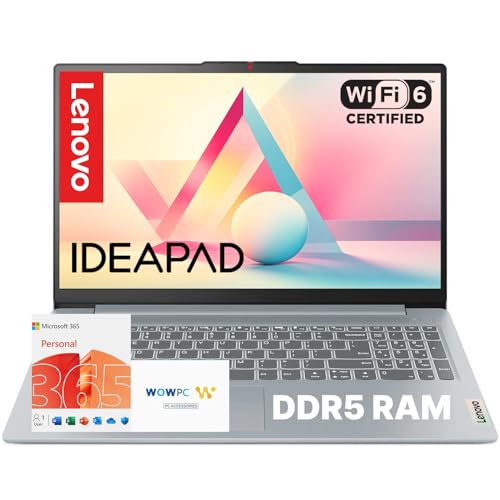
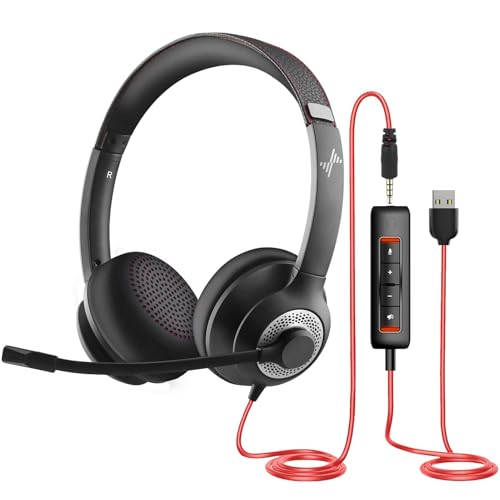
Finding the right gear for your home office is a personal journey, and we hope our recommendations have given you a solid starting point. For a balanced combination of performance and value, the Lenovo IdeaPad Slim 3i • 15.6″ FHD Laptop is a fantastic all-rounder. If you need a headset that delivers crystal-clear audio for calls, the AOC Wireless Headset with Mic for Work is a top choice. Remember to prioritize your specific workflow and comfort needs, and you’ll be well-equipped for success.
Frequently Asked Questions
How much RAM do I need in a laptop for working from home?
For most remote work tasks like email, word processing, and video calls, 8GB of RAM is the minimum you should consider. If you often work with large spreadsheets, edit photos or videos, or run multiple apps simultaneously, upgrading to 16GB will provide a smoother, more efficient experience. This is especially true in 2026 as operating systems and applications continue to use more memory.
What is the best type of headset for online meetings?
The best type of headset for online meetings is one with a good microphone and comfortable ear cushions. A headset with a noise-canceling microphone is ideal, as it filters out background noise, making you sound clearer. You can choose between wired USB headsets, which are reliable and plug-and-play, or wireless Bluetooth headsets that offer more freedom of movement.
Is a 15.6-inch laptop too big for working from home?
A 15.6-inch laptop is a popular size for working from home because it provides a comfortable viewing experience for productivity tasks. While it may be less portable than a 14-inch or 13-inch model, it offers a larger keyboard and screen, which can reduce eye strain. If you have a dedicated desk setup, a 15.6-inch laptop is an excellent choice.
Can I use a gaming headset for work calls?
Yes, you can definitely use a gaming headset for work calls. Many gaming headsets feature high-quality microphones and comfortable ear cups, making them suitable for long meetings. However, they may have a more aggressive aesthetic and often include features like RGB lighting, which might not be ideal for a professional setting. If you prefer a more subtle look, consider a headset designed specifically for office use.