

You are a big guy who loves the outdoors, but finding a sleeping bag that fits your frame can feel like a never-ending quest. Standard bags are too short, too narrow, and leave you feeling cramped and cold. You deserve a restful night after a long day of hiking or camping, not a struggle against a too-tight cocoon. This guide is built for you. We have reviewed the top sleeping bags designed specifically for big and tall individuals, focusing on length, width, durability, and warmth. Whether you are a side sleeper, a backcountry explorer, or a car camper, we have the right fit. For more on sizing, check out our guide on the best sleeping bag for tall person.



Buying Guide: What to Look For in a Sleeping Bag for Big Guys
Length and Width: The Foundation of Comfort
The most critical factor for a big guy is the bag’s dimensions. A standard bag is typically 72 to 78 inches long and 30 inches wide, which is often insufficient for anyone over 6 feet tall or with a broad build. Look for bags labeled “Big & Tall,” “XL,” or “oversized.” These usually offer lengths of 84 inches or more and widths of 39 to 40 inches. This extra space allows you to stretch out, shift positions, and sleep without feeling trapped.
For side sleepers, extra width is especially important to accommodate your shoulders and hips. A bag that is too narrow will compress the insulation, reducing its effectiveness and leaving you cold. Always check the product specifications for the exact dimensions, not just the height limit. For more tips on sleeping positions, see our article on the best sleeping bag for side sleepers.
Temperature Rating: Staying Warm Without Overheating
Temperature ratings are a guide, but your personal metabolism and the conditions matter. Bigger bodies often generate more heat, but they also have more surface area to lose it. For three-season camping (spring, summer, fall), a bag rated between 30°F and 50°F is usually sufficient. For colder weather or winter camping, look for a 10°F or even 0°F rated bag. Pay attention to the “comfort rating” (the temperature at which a cold sleeper can sleep comfortably) versus the “limit rating” (the minimum for a warm sleeper).
Also consider the insulation type. Synthetic fills like Holofill or Thermolite are more affordable, retain warmth when wet, and are easier to care for. Down insulation is lighter and more compressible but loses its insulating properties when wet and is more expensive. For most big guys, synthetic is a reliable and practical choice for car camping and occasional backpacking.
Shape and Design: Mummy vs. Rectangular vs. Semi-Rectangular
The shape of the bag directly impacts comfort and warmth. Mummy bags are tapered to reduce dead air space and maximize heat retention, but they can feel restrictive for big guys who move around. Rectangular bags offer the most room to sprawl but are less thermally efficient, as your body has to heat a larger volume of air. Semi-rectangular or “spoon” shapes are a great compromise, offering extra room at the elbows and knees while still maintaining a decent warmth-to-weight ratio.
For car camping or home guest use, a roomy rectangular bag is often the most comfortable. For backpacking, a semi-rectangular or even a generously cut mummy bag might be better. Consider how you sleep: if you toss and turn, a mummy bag can be frustrating. If you sleep like a log, a mummy bag’s efficiency is a plus.
Weight and Packability: Balancing Comfort and Portability
Big and tall sleeping bags are naturally heavier and bulkier than standard sizes. If you are car camping, weight is less of a concern, and you can prioritize comfort and features. For backpacking, look for bags that use lighter synthetic fills or down insulation and come with a compression sack. A bag that packs down to a manageable size will make your hike much more enjoyable.
Check the packed size and weight before buying. Some bags weigh over 10 pounds, which is fine for the trunk but a burden on the trail. Others, like ultralight options, may sacrifice some durability or features for a lower weight. Determine your primary use case and choose accordingly.
Final Thoughts
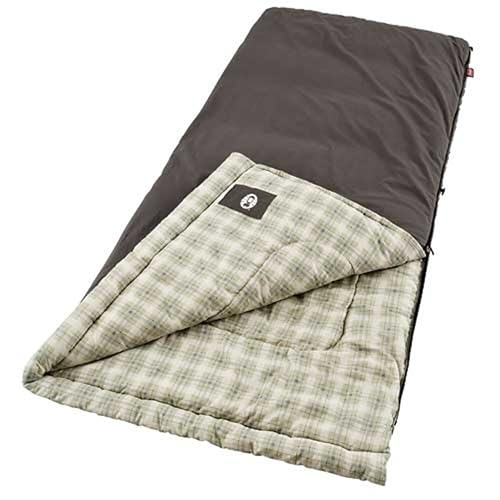
Choosing the right sleeping bag as a big guy comes down to balancing your need for space, warmth, and portability. For a durable, cold-weather option that offers exceptional room and insulation, the Coleman Heritage Big & Tall 10°F Flannel Sleeping stands out with its generous 40-inch width and 10°F rating, making it a fantastic choice for winter camping and car camping. If you prefer a more versatile, lightweight, and budget-friendly bag for milder conditions, the MalloMe Sleeping Bags for Adults Cold Weather provides a roomy fit for a 6-foot adult and packs down small for backpacking. Both options are top-tier for their respective uses, ensuring you get the rest you need for your next adventure.
Related Guides
Frequently Asked Questions
What size sleeping bag do I need if I am 6’3″ and 250 pounds?
You should look for a sleeping bag specifically labeled as “Big & Tall” or “XL” with a length of at least 84 inches and a width of 39 to 40 inches. Standard bags will be too short and too narrow. The Coleman Heritage Big & Tall and the HiZYNICE XXL are excellent options that provide ample space for someone of your size.
Can two big guys share a double sleeping bag?
Yes, but it depends on the bag’s size. A double sleeping bag like the BORULL Queen Size (92″ x 63″) is designed to fit two adults comfortably, even if they are larger. However, for maximum personal space, two separate extra-large bags might be more comfortable. If you are sharing, consider a bag that can be zipped together with another of the same model.
Are rectangular sleeping bags warmer than mummy bags for big guys?
No, mummy bags are generally warmer because they have a tapered shape that reduces the volume of air your body needs to heat. Rectangular bags have more dead air space, making them less thermally efficient. For big guys who want warmth, a semi-rectangular or a generously cut mummy bag is a better compromise than a full rectangular bag.
How do I clean an oversized sleeping bag?
Most modern sleeping bags, including the ones reviewed here, are machine washable. Use a front-loading washer (top-loaders with an agitator can damage the bag) on a gentle cycle with cold water and a mild detergent. Tumble dry on low heat or air dry, and make sure it is completely dry before storing. Always check the care label for specific instructions.


