Picture this: it’s the night before your algorithms final, and your current laptop decides to freeze on a single browser tab. You’re juggling an IDE, a dozen research tabs, and a video call with your study group. That’s the moment you realize a dependable laptop for coding isn’t a luxury, it’s a necessity. This guide breaks down the top student laptops for coding, covering everything from budget-friendly basics to more powerful machines that can handle compilers and virtual machines without breaking a sweat.
We know students need value, portability, and enough processing power to get through four years of coursework. Whether you’re a freshman in computer science or a grad student running data models, we’ve got you covered. We’ll walk you through key specs to consider, then highlight specific models that punch above their weight class. If you’re also curious about other laptop categories, check out our guide for software engineering students for more specialized picks.

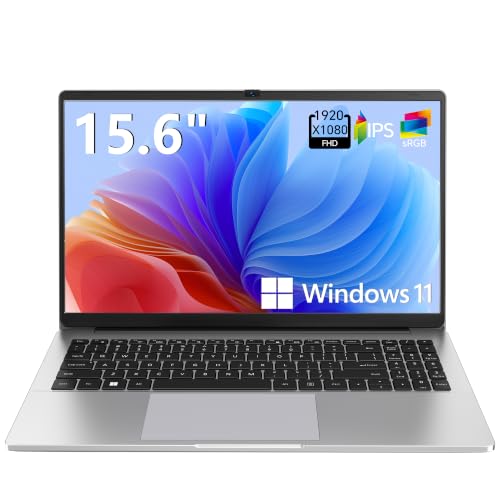


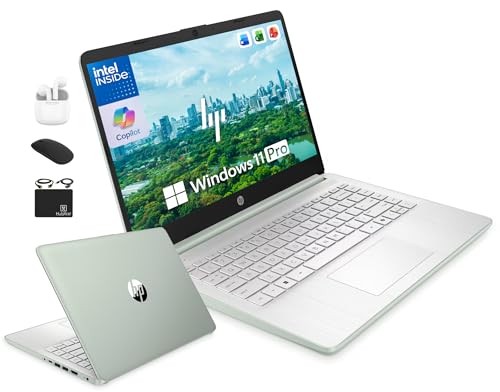

Buying Guide
Processor and RAM: The Brains of the Operation
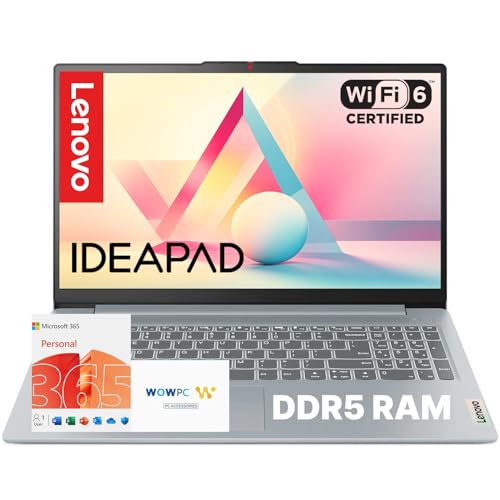
For coding, the processor and RAM are the dynamic duo you can’t ignore. A modern quad-core processor, like the Intel N150 or a Core i3, is the minimum you’ll want to compile code and run multiple applications smoothly. Pair that with at least 8GB of RAM, though 16GB is becoming the sweet spot for running virtual machines or memory-hungry IDEs without your system crawling.
Don’t get bogged down by the latest generation unless you’re doing heavy data science work. A slightly older but capable processor can still handle most student coding tasks. Focus on getting enough RAM and a fast SSD over a marginal CPU bump. For more context on what matters most, see our laptop guide for physics students for a similar breakdown of processing needs.
Storage and Display: Speed Meets Comfort
An SSD is non-negotiable for coding; it makes boot times and file access lightning-fast. Look for at least 256GB, but 512GB gives you breathing room for local repositories and development environments. The display matters more than you think; a 15.6-inch Full HD screen is ideal for side-by-side code and documentation, reducing eye strain during long study sessions.
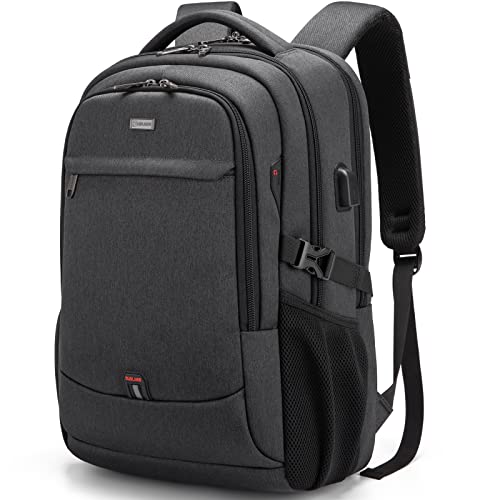
Consider the portability trade-off. Bigger screens often mean heavier laptops, so think about how much you’ll be carrying between classes and the library. A backlit keyboard is a small feature that makes a big difference for late-night coding sprints, a point we’ve emphasized in our guide to laptop backpacks.
Battery Life and Ports: Stay Unplugged and Connected
Battery life is your lifeline on campus. Aim for a laptop that can last through a full day of classes and study sessions on a single charge. Also, check the port selection; you’ll want a couple of USB-A ports for peripherals and an HDMI port for presentations or connecting to external monitors. USB-C with power delivery is a bonus, letting you charge with a portable power bank.
Don’t underestimate the convenience of a laptop that doesn’t require you to hunt for an outlet. A solid battery and a reasonable set of ports mean less time untangling cables and more time actually coding. If you’re also looking to keep your gear organized, our camera backpack guide has some crossover advice on carrying tech safely.
Final Thoughts
Choosing the right coding laptop comes down to balancing your budget with the performance you need for your specific coursework. For most students, the KAIGERR 2026 New Laptop Computer with Intel Twin offers a fantastic mix of RAM, storage, and processing power that will handle anything from introductory Python to more demanding Java projects. On the other hand, if you’re a student who wants a little extra visual muscle for game development or 3D modeling, the NIMO 15.6 FHD AI Ready Gaming Laptop with its Ryzen 7 and Radeon graphics is a future-proof investment. Both are solid options, so think about your major and how you plan to use your laptop over the next few years, and you’ll find the perfect match for your coding journey.
Frequently Asked Questions
What is the ideal RAM size for coding in 2026?
For basic coding and web development, 8GB is the bare minimum, but 16GB is highly recommended for a smoother experience. If you plan to work with virtual machines, Android emulators, or large data sets, 16GB or even 32GB will prevent frustrating slowdowns.
Do I need a dedicated graphics card for coding?
Not for most coding tasks. Integrated graphics are perfectly fine for writing code, running standard IDEs, and basic web development. A dedicated GPU becomes important if you’re into game development, 3D rendering, or machine learning projects that require CUDA acceleration.
Is a 15.6-inch screen too big for a student laptop?
It depends on your personal preference and how you’ll carry it. A 15.6-inch display offers more screen real estate for multitasking, which many coders love, but it adds weight and bulk. If portability is your top priority, a 14-inch model is a nice compromise, but you’ll likely miss the extra screen space.
Can I use a Chromebook for coding classes?
Yes, for many introductory courses, a Chromebook with Linux support can work, especially for web development or Python. However, you may run into compatibility issues with certain IDEs or tools that require Windows or macOS. For maximum flexibility, a Windows laptop with a full operating system is generally a safer bet for a computer science degree.