Whether you are mixing a track, editing a podcast, or just want to hear every detail in your favorite songs, a pair of quality studio speakers can transform your audio experience. Unlike standard computer speakers, studio monitors are designed to deliver a flat, accurate frequency response so you hear the sound exactly as it was recorded. This guide covers the best studio speakers for 2026, focusing on models that offer professional-grade performance for home studios, desktop setups, and content creation. We have evaluated top options from trusted brands like PreSonus, Edifier, and Ortizan to help you choose the right pair for your needs.
For more advice on finding the right monitor for your space, check out our guide on best nearfield speakers for crisp desktop audio.



Buying Guide: What to Look for in Studio Speakers
Driver Size and Frequency Response
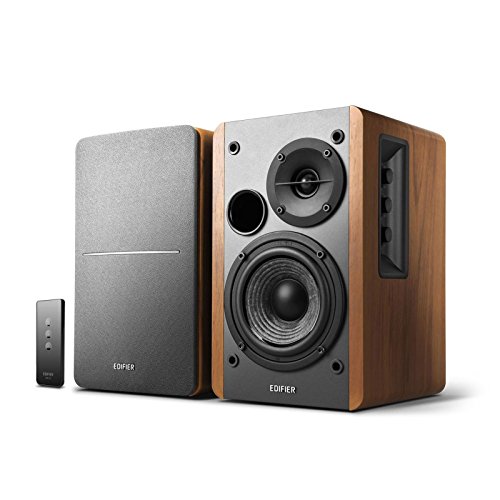
The driver size, usually measured in inches for the woofer, largely determines how much bass the speaker can produce. A 3.5-inch woofer, like those found in the PreSonus Eris 3.5 and Ortizan C7, is ideal for nearfield listening on a desk, offering tight bass without overwhelming a small room. Larger woofers, such as the 4-inch driver in the Edifier R1280T, can deliver deeper low-end but may require more space. Look for a frequency response that covers the audible range, typically from around 80 Hz to 20 kHz, to ensure accurate reproduction of both bass and treble.
Amplification and Power
All the speakers in this roundup are powered, meaning the amplifier is built into the cabinet. This simplifies setup and ensures the amp is matched to the drivers. The power rating, measured in watts, affects how loud the speakers can play without distortion. For desktop use, 50 watts per pair (as in the PreSonus Eris 3.5) is more than enough to fill a room with clear sound. Higher wattage can be beneficial if you plan to use the speakers in a larger space or want extra headroom for dynamic peaks.
If you are setting up a dedicated mixing environment, you may also want to read our article on best speakers for mixing for more tailored advice.
Connectivity Options
Modern studio speakers offer a variety of inputs to connect to different devices. Balanced connections, such as TRS (1/4-inch) or XLR, are preferred for professional gear because they reject noise over longer cable runs. Unbalanced RCA or AUX inputs are fine for consumer devices like computers, phones, or game consoles. Some models, like the Ortizan C7, include Bluetooth 5.3 for wireless streaming, which is convenient for casual listening. Front-panel headphone jacks are a handy addition for private monitoring.
Acoustic Tuning Controls
Every room has unique acoustic characteristics that can color the sound. Built-in EQ controls, such as high and low frequency adjustments on the PreSonus Eris 3.5, allow you to compensate for room modes or speaker placement. This feature helps you achieve a more neutral response without needing acoustic treatment. For the most accurate monitoring, especially in untreated rooms, these tuning options are invaluable.
For a broader look at audio gear, visit our Speakers category page for more reviews.
Final Thoughts
After reviewing the top contenders, the PreSonus Eris 3.5 Powered Studio Monitors, Pair stand out for their accurate sound, robust build, and acoustic tuning controls, making them the best choice for serious music producers and audio engineers. For those who want a versatile and affordable option with Bluetooth connectivity, the Ortizan C7 Powered Studio Monitors Pair deliver impressive clarity and a flat response at a great value, perfect for content creators and casual listeners alike. Whichever you choose, investing in quality studio speakers will elevate your listening and production experience.
Frequently Asked Questions
What is the difference between studio monitors and regular speakers?
Studio monitors are designed to produce a flat, neutral frequency response, meaning they do not artificially boost bass or treble. This allows you to hear the audio as it truly is, which is critical for mixing and mastering. Regular speakers often color the sound to make it more pleasing for casual listening.
Do I need an audio interface for studio monitors?
Not necessarily. Many powered studio monitors, like the ones in this guide, have RCA or AUX inputs that can connect directly to your computer’s headphone jack. However, using an audio interface with balanced outputs (TRS or XLR) can reduce noise and improve sound quality, especially in professional setups.
Can I use studio speakers for gaming or watching movies?
Absolutely. Studio monitors provide exceptional clarity and detail, making them excellent for gaming and movies. You will hear subtle sound effects and dialogue more clearly. Some models, like the Ortizan C7, even include Bluetooth for wireless streaming from your TV or console.
What size studio speakers should I get for a small room?
For a typical desk setup in a small or medium-sized room, speakers with 3.5-inch to 4-inch woofers are ideal. They offer enough bass without overwhelming the space and are easier to position for accurate nearfield listening. The PreSonus Eris 3.5 and Edifier R1280T are both excellent choices for compact environments.
For more tips on setting up your studio, check out our guide on best speakers for music production for 2026.