

You have your racquet strung, your court time booked, and your opponent is ready. But the moment you open a can of balls that feel dead or fluff up after two games, the entire session loses its rhythm. Choosing the right tennis balls is not an afterthought. It is a decision that affects every serve, rally, and volley. Whether you play on gritty hard courts, slick clay, or at higher elevations, the ball’s felt, pressure, and durability need to match your environment. We have evaluated the most popular options from Penn and Wilson to help you make an informed choice and keep your game consistent from the first serve to the last point.
nnIf you are also looking to improve your practice sessions, a reliable tennis ball machine can be a game changer for drills and solo training. But first, focus on the balls themselves. This guide covers five top-rated products, including bulk packs for clubs and high-altitude variants for players in mountainous regions.
nn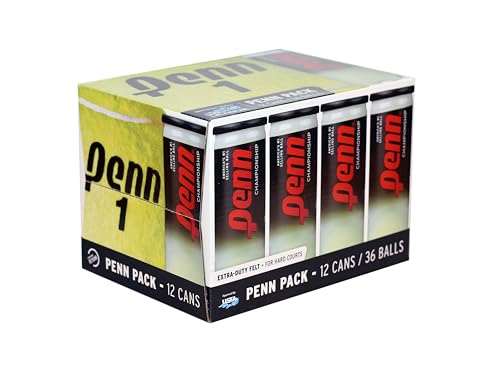


Buying Guide
nnFelt Type: Extra Duty vs. Regular Duty
nThe felt covering on a tennis ball determines how it interacts with the court surface. Extra duty felt is denser and more durable, designed to withstand the abrasive texture of hard courts. It resists premature fuzzing and maintains a consistent bounce longer. Regular duty felt, on the other hand, is slightly thinner and better suited for clay or indoor courts, where less abrasion occurs. Using the wrong felt type can lead to rapid wear, so match the ball to your primary playing surface for the best performance.
nnAltitude Considerations
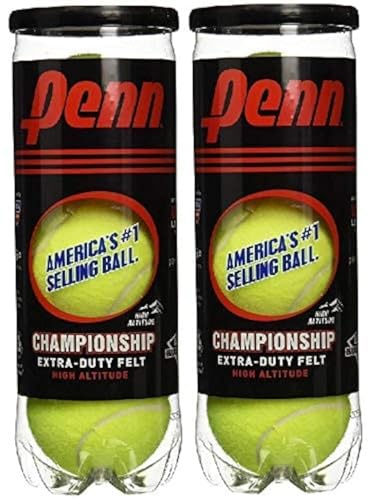
nIf you play at elevations above 4,000 feet, standard pressurized balls can feel like they have a trampoline effect, bouncing higher and moving faster. High altitude tennis balls are specially pressurized to compensate for the thinner air, providing a more normal bounce and control. Ignoring altitude can throw off your timing and make practice sessions frustrating. For players in Denver, Albuquerque, or similar regions, a dedicated high-altitude ball is a smart investment.
nnDurability and Value Packs
nFor frequent players, coaches, or clubs, buying tennis balls in bulk saves money and ensures you never run out during drills or league matches. Manufacturers often offer 12-can or 24-can cases. Look for interlocked wool fiber construction, which extends the ball’s lifespan. A durable ball maintains its pressure and felt integrity longer, meaning you get more consistent play per can. Balancing upfront cost with longevity is key, especially if you go through multiple cans each week.
nnBrand and Official Approvals
nBrands like Penn and Wilson have decades of experience and are trusted by professional tours and recreational leagues alike. USTA and ITF approval ensures the ball meets strict standards for size, weight, bounce, and deformation. If you plan to play in organized leagues or tournaments, using an approved ball is often required. Even for casual play, these certifications are a mark of quality that translates to better performance.
nnFor cross-training, you might also appreciate a solid jump rope routine or some wrist wraps for added support during strength work. While not tennis-specific, they complement your overall fitness and help prevent injuries.
nnFinal Thoughts
nAfter reviewing the top contenders, the clear winner for all-around hard court play is the Penn Championship Tennis Balls with extra duty felt, offering a perfect balance of durability, bounce, and value in bulk packs. For players at higher elevations, the Penn Championship High Altitude Head Tennis Balls deliver the consistent performance you need to adjust for thinner air. Both options are USTA approved and backed by decades of refinement, so you can step onto the court with confidence no matter where you play.
nnFrequently Asked Questions
nnHow long do tennis balls last before they lose their bounce?
nPressurized tennis balls typically maintain optimal bounce for about 2 to 4 hours of active play, depending on court surface and intensity. After that, the internal pressure drops and the felt wears, leading to a noticeably softer feel. For casual practice, many players use balls for several sessions, but for matches, a fresh can is recommended every 1 to 2 matches.
nnWhat is the difference between extra duty and regular duty tennis balls?
nExtra duty balls have a thicker, more durable felt designed for hard courts, while regular duty balls use a thinner felt that works best on clay or indoor courts. Using extra duty on clay can produce excessive fluff, while regular duty on hard courts will wear out quickly. Choose based on your primary surface for the best experience.
nnDo I need high altitude tennis balls?
nIf you regularly play above 4,000 feet (about 1,200 meters), high altitude balls are recommended. Standard balls bounce too high and travel faster in thin air, altering shot mechanics. High altitude balls are depressurized to compensate, giving you a more familiar feel. Many players in mountain regions notice an immediate improvement in consistency when switching.
nnCan I use Wilson tennis balls on any court?
nYes, but choose the correct variant: Wilson offers regular duty (for clay/indoor) and extra duty (for hard courts). The WILSON Championship Tennis Balls – Regular Duty are ideal for softer surfaces, but also work on hard courts in a pinch. For long-term durability on hard courts, stick with an extra duty felt ball.


