You are tightening the final lug nuts on your car after a brake job, and you need the exact torque spec to keep things safe and secure. Using a plain ratchet or impact wrench can lead to stripped threads or uneven clamping. That is where a reliable torque wrench becomes essential. In this guide, we have reviewed the best torque wrench options for 2026, covering click-type, digital, and split-beam designs from trusted brands like EPAuto, LEXIVON, CRAFTSMAN, and more. Whether you are a weekend DIYer or a professional mechanic, you will find a tool that matches your needs and budget. For related tools, check out our roundup of top-rated ratcheting wrench sets for tight spaces.





Buying Guide
Accuracy and Calibration
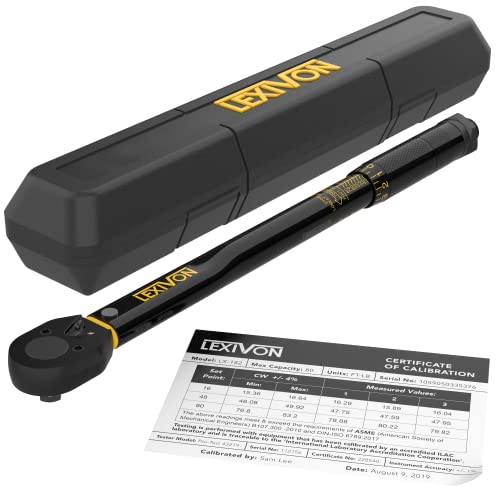
Torque wrenches are only useful if they deliver consistent, precise results. Most quality models come pre-calibrated to ±3% or ±4% accuracy, often with a certificate of calibration. Look for wrenches that meet ASME or ISO standards. Digital wrenches like the ACDelco ARM601-34 3/8” & ½” Heavy Duty offer real-time readings and audible alerts, while click-type wrenches rely on a mechanical click. For high-stakes jobs, a verified calibration is non-negotiable.
Drive Size and Torque Range
Torque wrenches come in 1/4-inch, 3/8-inch, and 1/2-inch drives. The 1/2-inch drive is standard for automotive work (lug nuts, suspension bolts) with ranges from 10 to 150 ft-lb up to 25 to 250 ft-lb. The 3/8-inch drive is ideal for engine components and smaller fasteners. If you work on bikes or small engines, a 1/4-inch drive covers lower torque values. Multi-drive sets like the DISEN 9PC Click Torque Wrench Set 1/4″ 3/8″ 1/2″ give you flexibility without buying separate tools.
Type: Click, Digital, or Split Beam
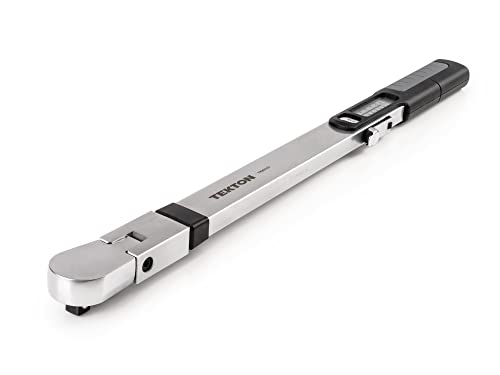
Click-type wrenches are the most popular: affordable, durable, and simple to use. You set the torque value and hear a click when you reach it. Digital wrenches offer higher precision, memory functions, and a buzzer or LED alert. Split-beam designs, like the TEKTON 1/2 Inch Drive 72-Tooth Split Beam Torque, allow you to store the wrench without resetting the spring, making them convenient for repeated use. Each type has its strengths; choose based on your typical tasks and comfort with technology.
Build Quality and Ergonomics
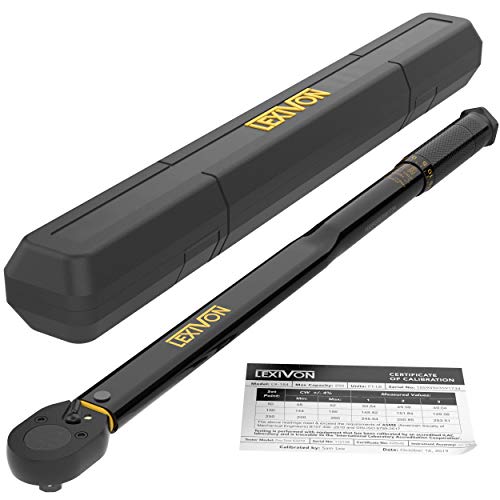
A torque wrench should feel solid in your hand. Look for hardened chrome vanadium steel ratchet heads, corrosion-resistant finishes (like the Electro-Black coating on LEXIVON models), and comfortable grips. A reversible ratchet head saves time when tightening and loosening. Storage cases are a plus for keeping the tool safe. For more on socket sets that pair well with torque wrenches, see our best 3/8 inch socket set.
Final Thoughts
After evaluating dozens of models across different price points and use cases, we are confident that the ACDelco ARM601-34 3/8” & ½” Heavy Duty digital combo kit stands out for those who want dual-drive versatility and precise digital feedback, while the LEXIVON 1/2-Inch Drive Click Torque Wrench 25-250 delivers exceptional value and reliability for high-torque automotive jobs. Both options have earned top marks from our reviewers and will serve you well for years to come.
Frequently Asked Questions
What is the difference between a click and digital torque wrench?
A click torque wrench uses a mechanical spring mechanism that produces an audible click when the preset torque is reached. Digital torque wrenches use a strain gauge sensor and display the torque value on an LCD screen, often with a buzzer or LED alert. Digital models typically offer higher accuracy and additional features like peak hold and unit conversion, but they require batteries and are more expensive.
How do I calibrate a torque wrench?
Most consumer torque wrenches come pre-calibrated and do not require frequent recalibration. For professional use, send the wrench to a certified calibration lab every 12 months or after 5,000 cycles. Some digital models allow you to recalibrate at home using a reference weight. Always store your torque wrench at its lowest setting to preserve spring tension. For more precision tools, see our top tire pressure gauge picks for 2026.
What torque range do I need for car repairs?
For most passenger car repairs, a 1/2-inch drive wrench with a range of 10 to 150 ft-lb covers lug nuts (typically 80 to 100 ft-lb), suspension bolts, and brake calipers. A 3/8-inch drive with 5 to 45 ft-lb works well for engine components, spark plugs, and small fasteners. If you work on heavy trucks or industrial equipment, consider a 25 to 250 ft-lb range.
Can I use a torque wrench for tightening lug nuts?
Yes, a torque wrench is the ideal tool for tightening lug nuts to manufacturer specifications. This prevents over-torquing, which can warp brake rotors, or under-torquing, which can cause wheels to loosen. Always tighten in a star pattern and use the correct torque value for your vehicle. For more automotive tools, browse our Tools category.