

Imagine landing in a foreign country, tired from a long flight, and you just want to check in with family or catch up on work. But the hotel Wi-Fi is slow, unreliable, or requires constant logins for each device. A travel router solves this by turning any public network into your own private, secure Wi-Fi. Whether you’re a digital nomad, a frequent business traveler, or a vacationer who wants to stay connected, the right travel router makes all the difference. In this guide, we’ve evaluated three leading models for international travel: the Roam 6 AX1500 Portable Wi-Fi 6 Travel Router, the GL.iNet GL-SFT1200 Opal Travel Router, and the RoamWiFi Mobile Hotspot Pocket WiFi. Each offers unique benefits for global connectivity. For more on routers, check out our Routers category.


Buying Guide: What to Look For in a Travel Router for International Trips
Portability and Power Options
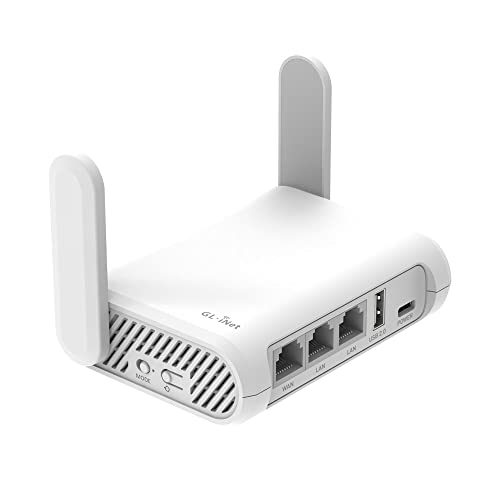
When you’re on the road, every ounce counts. A travel router should be compact enough to slip into a pocket or a small pouch. But portability isn’t just about size; it’s also about how you power it. Many modern routers charge via USB-C, letting you use a power bank to keep them running during long layovers or in areas with scarce outlets. The GL.iNet Opal weighs only 145 grams, while the Roam 6 is similarly pocket-friendly. The RoamWiFi hotspot comes with a built-in battery, so you can stay online without being tethered to a wall socket.
Security and VPN Support
Public Wi-Fi in hotels, airports, or cafes is notoriously insecure. A travel router with built-in VPN support creates an encrypted tunnel for all your traffic. Look for routers that support OpenVPN and WireGuard protocols, which are fast and widely compatible. The Roam 6 and GL.iNet Opal both offer these features, with the Roam 6 even including a one-step captive portal authentication to streamline connecting to public networks. For more on secure home networking, see our guide to VDSL modem routers.
Connectivity Modes and Speed
The best travel routers can operate in multiple modes: router, access point, repeater, and client. This flexibility allows you to connect via wired Ethernet from a hotel network, repeat a weak signal, or tether to your smartphone. Data speeds also matter, especially for streaming or video calls. The Roam 6 offers Wi-Fi 6 with up to 1,201 Mbps on the 5 GHz band, while the GL.iNet Opal delivers AC1200 dual-band speeds. The RoamWiFi hotspot acts as a dedicated MiFi device with global data plans, so you don’t even need a local SIM. If you need reliable wired connections for gaming, check out cable modem routers for gaming.
Network Sharing and Device Limits
Travel often means sharing Wi-Fi among multiple devices: your laptop, tablet, phone, and maybe your travel companion’s gear. A good travel router should support at least 5 to 10 simultaneous connections. The Roam 6 handles up to 60 devices, making it perfect for family trips or group travel. The RoamWiFi hotspot supports up to 10 devices. The GL.iNet Opal is ideal for solo travelers or couples who need a secure connection for a few gadgets. For more on routers that handle heavy loads, see DSL modem routers.
Final Thoughts
After reviewing these three travel routers, we believe the Roam 6 AX1500 Portable Wi-Fi 6 Travel Router stands out for its blend of speed, security, and ease of use, making it ideal for international travelers who need reliable connectivity across many devices. For those on a tighter budget who still want robust VPN support and a compact form factor, the GL.iNet GL-SFT1200 Opal Travel Router offers excellent value and proven performance. Both models will keep you secure and connected, whether you’re in a hotel, an Airbnb, or a co-working space abroad.
Frequently Asked Questions
Can I use a travel router in any country?
Yes, most travel routers work globally as long as they connect to a power source and a compatible Wi-Fi or Ethernet network. Some models like the RoamWiFi hotspot include built-in global data plans for seamless connectivity without local SIM cards. Always check local voltage and plug types, but USB-C powered routers are universally compatible with adapters.
Do travel routers work without an existing Wi-Fi network?
Some travel routers can create a Wi-Fi network using a wired Ethernet connection or by tethering to a smartphone’s mobile data. The Roam 6 and GL.iNet Opal support USB tethering, while the RoamWiFi hotspot includes its own cellular data functionality. If you need a standalone hotspot, the RoamWiFi is the best choice.
What is the advantage of VPN support in a travel router?
A travel router with VPN support encrypts all traffic from every connected device, protecting your passwords, messages, and browsing from hackers on public networks. Both the GL.iNet Opal and the Roam 6 support OpenVPN and WireGuard, letting you toggle VPN protection easily via physical switches or apps. This is especially important for remote work and accessing geo-restricted content while abroad.
How many devices can a travel router support?
Device limits vary by model. The Roam 6 can handle up to 60 devices, making it ideal for groups. The GL.iNet Opal is designed for fewer devices (around 20) but still suits most travelers. The RoamWiFi hotspot supports up to 10 devices. For more information on devices, check our guide to ADSL modem routers if you need a home solution as well.


