

Picture this: you’re settled into your favorite chair, the lights are dim, and your favorite film is about to start. But instead of a crisp, immersive picture, you’re squinting at a dull screen with sounds that just don’t fill the room. We’ve all been there. That’s why we’ve curated a list of exceptional displays designed to transform your living space into a personal cinema. This guide is for anyone who craves that big-screen feel, whether you’re a dedicated cinephile or just want to elevate your weekend watchlist. We’ve focused on versatility, picture quality, and smart features to help you make an informed choice. For more options, you can check out our top picks for movie enthusiasts.


Buying Guide
Picture Quality: The Heart of the Experience
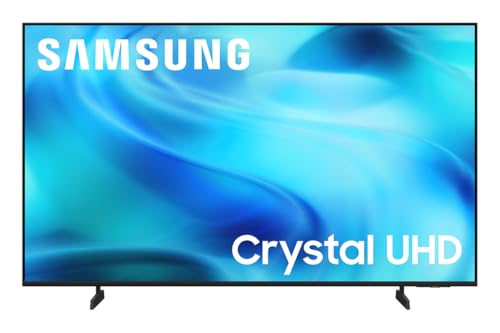
The most critical factor for any movie-watching display is how it renders images. Look for technologies like 4K resolution, which offers four times the detail of Full HD, ensuring you see every subtle texture and facial expression. High Dynamic Range (HDR) is equally important, as it expands the color and contrast range, revealing deep blacks and vibrant highlights that bring scenes to life.
For projectors, consider the resolution and brightness. A Full HD projector can still deliver a sharp, enjoyable image, especially in a darkened room. Meanwhile, advanced TVs with Mini LED or QLED technology provide exceptional brightness and color accuracy, making them ideal for rooms with ambient light. For more on how different displays handle various lighting conditions, you might find our guide to gaming and movie TVs useful.
Smart Features and Voice Control
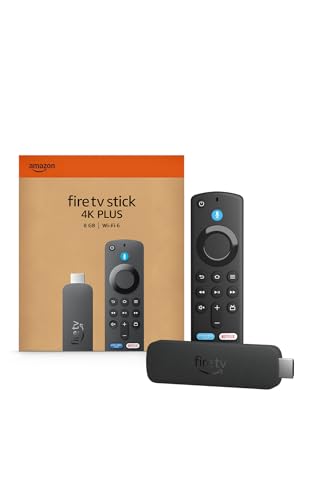
Modern displays are more than just screens; they’re entertainment hubs. A built-in smart platform like Roku, Fire TV, or Google TV gives you instant access to all your favorite streaming services, from Netflix to Hulu. This eliminates the need for external devices and simplifies your setup.
Voice control is another convenience to consider. Being able to search for a title or adjust the volume with a simple voice command adds a level of ease that’s hard to beat. Look for compatibility with Alexa, Google Assistant, or Siri to seamlessly integrate the display into your smart home ecosystem.
Audio Performance: Don’t Neglect the Sound
A great picture is only half the story; immersive audio is essential for a true cinematic experience. Many displays come with built-in speakers, but their quality can vary significantly. Look for models that support Dolby Audio or DTS for clearer dialogue and more dynamic sound.
If you’re building a dedicated home theater, consider a model that allows you to connect external speakers or a soundbar via Bluetooth or HDMI ARC. This gives you the flexibility to upgrade your audio setup later. For a deeper dive into creating a complete entertainment setup, you might explore our recommendations for immersive setups.
Final Thoughts
Choosing the right display for movie nights comes down to your personal space and viewing preferences. If you’re looking for a flexible, large-screen experience that’s perfect for both indoor and outdoor use, the Aurzen Roku TV D1R Smart Portable Outdoor is a fantastic choice, offering portability and a user-friendly Roku platform. On the other hand, if you prefer a more traditional setup with exceptional picture quality and smart features, the TCL 50-Inch QM64L Series delivers stunning visuals with its Mini LED technology, making it a strong contender for your living room. Whichever you choose, you’re well on your way to creating unforgettable movie moments at home.
Frequently Asked Questions
What is the best screen size for watching movies?
The ideal screen size depends on your room dimensions and seating distance. As a general rule, a larger screen (55 inches or more) is better for a cinematic feel, but you’ll want to ensure you’re sitting far enough back to see the entire screen without strain. For a typical living room, a 50- to 65-inch TV works well, while projectors can easily create 100-inch or larger images.
Do I need a 4K TV for watching movies?
While 4K is becoming the standard for new content, it’s not strictly necessary if you primarily watch DVDs or standard-definition broadcasts. However, if you’re investing in a new display and want to future-proof your setup, 4K resolution will ensure you’re ready for the latest movies and shows. Many streaming services now offer 4K HDR content, so it’s a worthwhile upgrade.
Are smart TVs worth the extra cost?
Smart TVs bundle streaming apps and internet connectivity into the display itself, which can save you from buying a separate streaming device. This convenience often justifies the price premium, especially if you value a clean, all-in-one setup. However, if you already own a reliable streaming stick, a non-smart TV might be a more budget-friendly option.
How important is refresh rate for movies?
Refresh rate, measured in Hertz (Hz), indicates how often the image updates per second. For movies, a standard 60Hz is generally sufficient, as film content is typically recorded at 24 frames per second. However, a higher refresh rate (like 120Hz or 144Hz) can reduce motion blur in fast-paced scenes and is beneficial for gaming. If you plan to use the display for both movies and gaming, a higher refresh rate offers more versatility.


