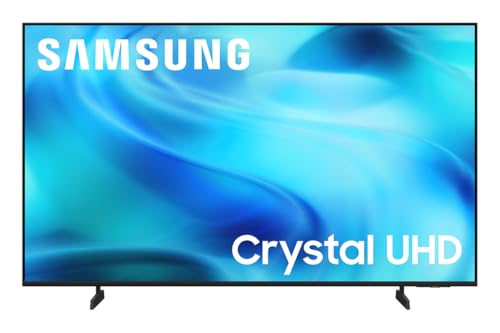
After a long day of driving, parking your RV under a canopy of stars, and craving a movie night, the last thing you want is a TV that can’t handle the open road. Finding the right television for your rig means balancing size, power source, and smart features—all while ensuring it can withstand the bumps and jolts of travel. Whether you’re a full-time RVer, a weekend warrior, or a family on a cross-country adventure, this guide is here to help you choose the perfect screen for your mobile living space. We’ve evaluated a range of options, from ultra-portable mini displays to larger smart TVs with built-in streaming, so you can make an informed decision that fits your lifestyle. For more tailored advice on compact setups, check out our picks for best TVs for dorm rooms if space is a priority.


Buying Guide: What to Look for in an RV TV
Choosing the right TV for your RV goes beyond just picking a screen size. You need to consider how you’ll power it, how it will mount, and what features are essential for your viewing habits. Here are the key criteria we recommend evaluating before making a purchase.
Power Source: 12V vs. AC
One of the most critical factors for an RV TV is how it receives power. Many RVs have 12V DC outlets, similar to a car’s cigarette lighter, which are perfect for powering a TV directly from your house battery. This is ideal for boondocking or dry camping where you might not have shore power. Look for a TV that explicitly supports 12V input, like the SYLVOX 32 inch RV TV, which is designed to run on your RV’s battery system.
Alternatively, some TVs are AC-powered and require an inverter to convert your battery’s DC power to AC. This is less efficient and can drain your batteries faster. If you plan to use your TV frequently off-grid, a 12V model is a smarter, more energy-efficient choice. For more insights on optimizing your home setup, you might find our best TVs for conference rooms article helpful, as it covers similar power considerations.
Size and Portability
Size matters when you’re working with limited wall space or cabinet areas. A smaller TV, like the Jexiop 14 Inch, is perfect for tight quarters, a bedroom, or even the kitchen area. It’s lightweight and easy to move around, making it a versatile option for various spots in your RV. On the other hand, if you have a larger living area, a 32-inch screen might be more suitable for comfortable viewing from the sofa.
Consider how you’ll mount the TV. Most RVs have standard VESA mounting holes, so you can easily attach a swivel or tilt mount to position the screen for optimal viewing. A portable TV gives you the flexibility to move it from the bedroom to the outdoor awning area, enhancing your entertainment options. If you’re also thinking about a dedicated space, our guide to best TVs for living room can offer perspective on balancing size and features.
Smart Features and Connectivity
In today’s world, a smart TV is almost a must-have. Being able to stream your favorite shows from Netflix, Hulu, or Prime Video directly on the TV eliminates the need for extra devices. Look for a model with built-in Wi-Fi and popular streaming apps. The INSIGNIA 32″ with Fire TV is a great example, as it comes with Alexa voice control and access to thousands of apps. This convenience is a game-changer for families who want to keep everyone entertained.
Connectivity ports are equally important. Ensure the TV has enough HDMI inputs for your gaming console, streaming stick, or DVD player. USB ports are also valuable for playing media from a flash drive. Some TVs even offer Bluetooth, allowing you to connect wireless headphones for private listening—a great feature when others are sleeping. For those who prioritize audio clarity, our article on best TVs for seniors highlights models with superior sound quality, which can be a consideration in a noisy RV environment.
Frequently Asked Questions
Can I use a regular TV in my RV?
Yes, you can use a regular household TV in your RV, but you’ll need to consider power. Most standard TVs run on 110V AC, which means you’ll need to be plugged into shore power or use an inverter. However, for off-grid adventures, a 12V TV is more efficient and saves you from losing energy in the conversion process. If you plan to camp without hookups, a 12V model is a wise investment.
Do I need a smart TV for my RV?
Not necessarily, but it’s highly recommended for convenience. A smart TV lets you stream directly from services like Netflix and YouTube without extra devices, saving space and reducing cable clutter. If you prefer a simpler setup, you can always use a non-smart TV with a streaming stick like a Fire Stick or Roku. However, having built-in smart features often provides a cleaner, more integrated experience.
What size TV is best for an RV?
The best size depends on your RV’s layout and your viewing distance. For most RVs, a 24 to 32-inch screen is a popular choice, as it fits well in living areas and bedrooms. If you have limited space, a smaller 14 to 20-inch TV might be more practical. Always measure your available space and consider how far you’ll be sitting from the screen to ensure a comfortable viewing angle.
Can I mount a regular TV on an RV wall?
Yes, you can mount a regular TV on an RV wall, but you must use a mount designed for RVs or a standard VESA mount with appropriate backing. RV walls are often thinner than home walls, so it’s crucial to find a sturdy stud or use heavy-duty anchors. Many RV TVs are lightweight and come with standard VESA holes, making them easy to mount. If you’re unsure, consult a professional to ensure safety while driving.
Related Guides
- Top Black Friday TV Deals to Watch in 2026
- Best TVs for Budget Conscious Buyers in 2026
- Top 4K TV Picks
Final Thoughts
Choosing the right TV for your RV can transform your travel experience, providing entertainment and comfort on the road. Whether you prioritize portability with the Jexiop 14 Inch LED HD TV,Portable Small Television or smart features with the SYLVOX 32 inch RV TV, 12V TV for RV Camper, there’s a perfect option for every traveler. Consider your power needs, space, and viewing habits to make the best choice, and enjoy your cinematic adventures under the open sky.