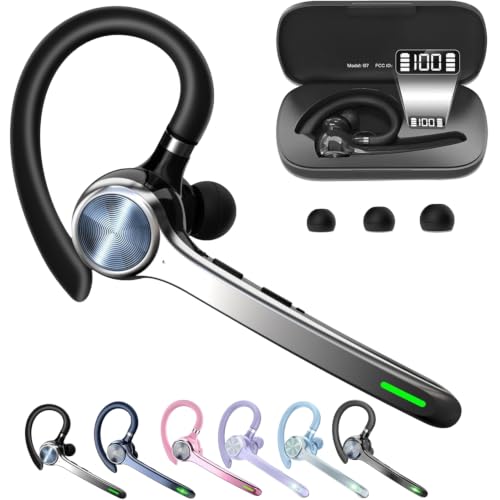
Whether you are taking endless Zoom meetings, diving into online classes, or just trying to hear every detail in your favorite game, a reliable USB headset can make all the difference. The right pair keeps you comfortable for hours, blocks out background noise, and delivers audio that lets you focus. In this guide, we have evaluated four of the best USB headsets for PC on the market right now, covering everything from budget friendly picks to professional grade options. You will also find practical buying advice to help you choose the right model for your setup. For more options, check out our roundup of the top PC headsets with mic.


Buying Guide: What to Look for in a USB Headset for PC
Comfort and Build Quality
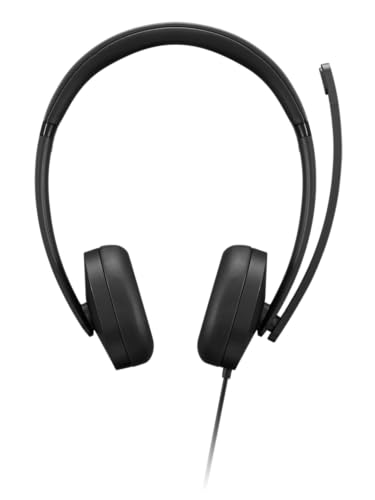
You will likely wear your headset for hours at a time, so comfort is a top priority. Look for lightweight designs with padded ear cushions and an adjustable headband. Memory foam earpads and breathable materials help prevent heat buildup. The Lenovo USB A headset, for example, weighs only 140 grams, making it barely noticeable during long calls. A sturdy build also matters; a flexible boom arm and reinforced cable can extend the life of your headset. For more comfortable options, check out our guide to the best computer headsets for crystal clear calls.
Microphone Quality and Noise Cancellation
A good microphone ensures that others hear you clearly, not the dog barking or the background chatter. Many USB headsets feature noise canceling microphones that focus on your voice and filter out ambient noise. Some models, like the Lenovo, offer adjustable noise cancellation via companion software. The Logitech H390 uses a rotating noise canceling mic that can be tucked away when not in use. For professional environments, a bidirectional or unidirectional mic pattern is ideal. These features are especially important if you work in a busy home office.
Sound Performance and Driver Quality
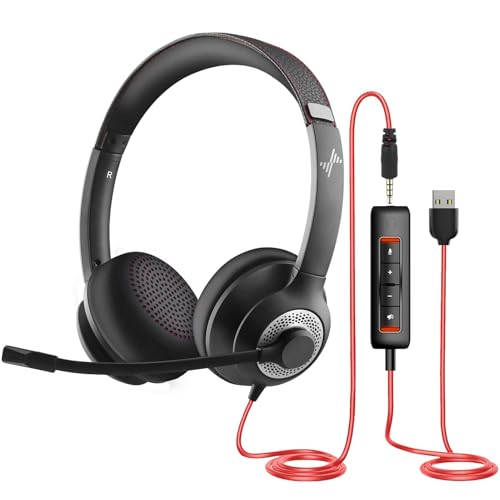
Even for calls, sound clarity matters. Most USB headsets use built in digital audio processing to deliver crisp vocals and balanced mids. Larger drivers, such as the 40mm ones found in the JIAMQISHI headset, can produce richer sound and a bit of bass for music or gaming. The Jabra Evolve 10 focuses on clear speech reproduction for business use. If you also plan to listen to music or watch videos, look for a headset with a frequency response that extends to low frequencies. You can also read our picks for top computer headsets with microphone for more audio focused options.
Connectivity and Controls
All headsets here use USB A for plug and play simplicity. Inline controls for volume and mute are standard and save you from fumbling with software. Some models add a mute indicator light or separate controls for microphone and speaker. If you switch between multiple devices, a headset that also includes a 3.5 mm jack offers flexibility. The JIAMQISHI headset provides both USB and 3.5 mm connections, making it compatible with phones and tablets. For a broader view of headset types, visit the Headsets category page.
Final Thoughts
After evaluating these models, the Lenovo USB-A Wired Stereo Headset for PC/Laptop stands out as an exceptional value for its featherlight comfort, AI powered noise cancellation, and simple inline controls, making it a top choice for everyday office work and virtual classrooms. Meanwhile, the Jabra Evolve 10 Wired USB Headset offers a more professional, eco friendly build with a reliable noise canceling mic and a minimalist design that suits busy call centers or executives who need crystal clarity without extra bulk. Whichever you choose, both deliver the reliability and performance that define the best USB headsets for PC.
Frequently Asked Questions
Are USB headsets compatible with all PCs?
Yes, almost all modern PCs and laptops with a USB A port will recognize a USB headset automatically. They are plug and play, meaning you do not need to install drivers. They work with Windows, macOS, Chrome OS, and even some Linux distributions. If you have a device limited to USB C, you can use a simple adapter.
How does noise cancellation work in USB headsets?
Noise cancellation in these headsets usually refers to microphone noise reduction. The microphone uses a directional pickup pattern to focus on your voice while ignoring sounds from the sides and rear. Some models, like the Lenovo, use software that further filters out background noise. This is not the same as active noise cancellation for the ear cups, which blocks ambient noise from entering your ears.
Can I use a USB headset for gaming?
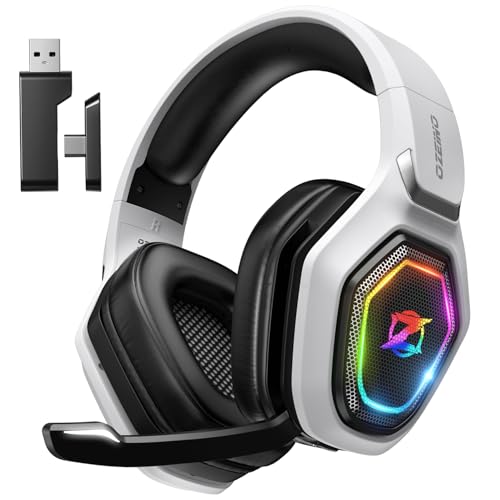
Absolutely. Many USB headsets offer clear audio and a reliable microphone that work well for gaming, especially for voice chat. While they may lack surround sound features found in dedicated gaming headsets, models with larger drivers (like the JIAMQISHI) provide decent immersion for casual gaming. For a more gaming focused selection, see our best computer headsets guide.
Is a USB headset better than a 3.5 mm headset?
USB headsets often have a built in sound card, which can improve audio quality and offer additional features like inline controls and noise cancellation. They are also simpler to use since they bypass your computer’s audio jack. However, 3.5 mm headsets are more widely compatible with phones, consoles, and older devices. Many USB headsets now include a combined USB and 3.5 mm option for the best of both worlds.