
If your cat won’t use an automatic litter box, the most common reason is that the self cleaning mechanism scares or startles them. Automatic boxes operate on a timer or sensor, and the sudden noise or movement can make a cat associate the box with a negative experience. Other frequent causes include a box that is too small, an unfamiliar texture or scent, a change in the cleaning schedule, or an underlying health issue that makes elimination painful. Understanding which factor applies to your cat is the first step to getting them back on track.
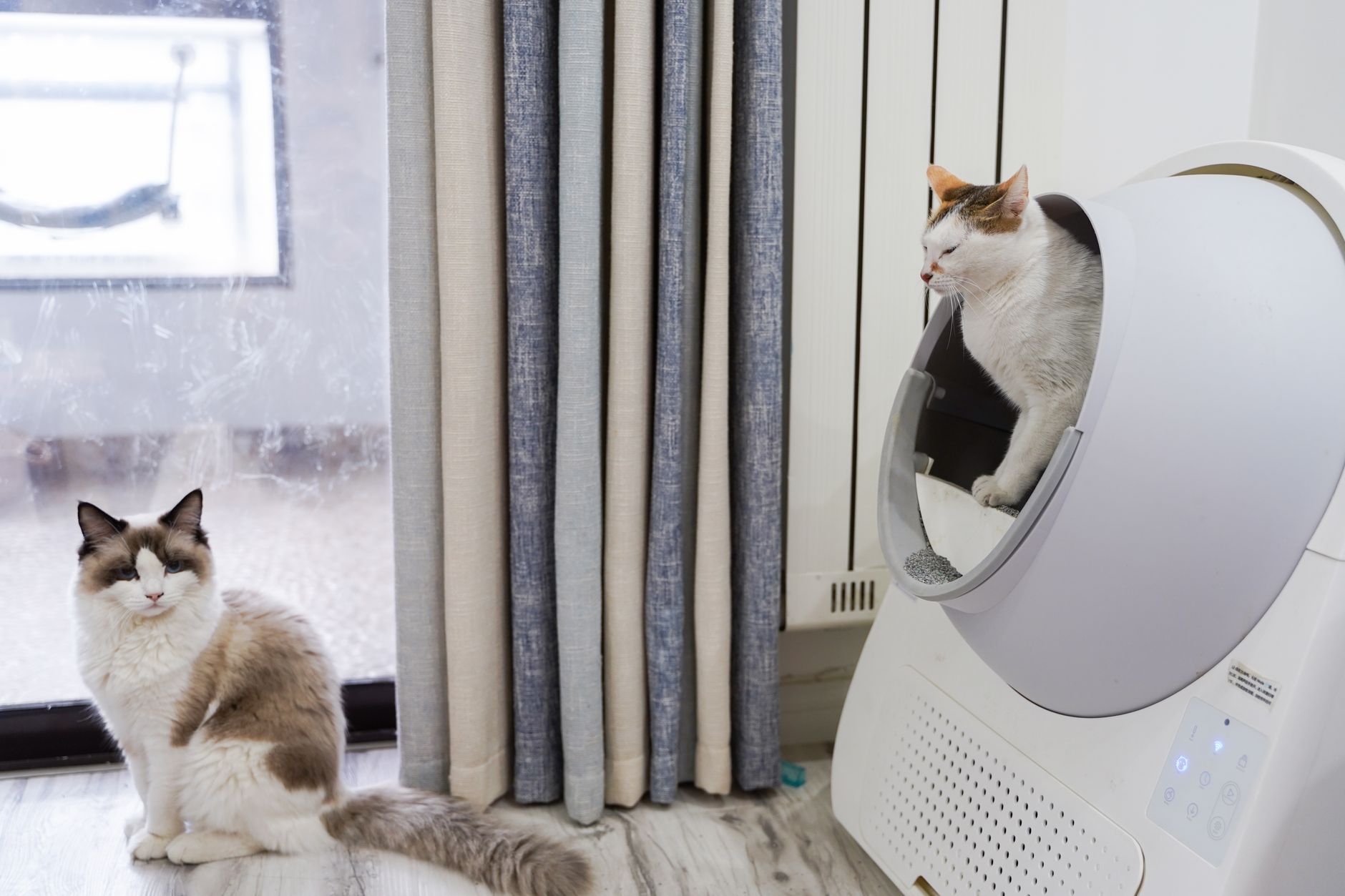
1. The Noise and Movement Scare Your Cat
Automatic litter boxes use motors, rakes, or rotating drums that can be loud and sudden. A cat that is sensitive to sound or motion may be frightened by the cleaning cycle. This is especially likely if the box activates while your cat is still inside or nearby. The fear can become conditioned, so the cat avoids the box entirely.
If your cat startles easily or hides when the box runs, this is probably the issue. Some cats adjust over time, but many do not. The solution is to set the box to clean only when the cat is not in the room, or to use a model with a quieter mechanism.
2. The Box Is Too Small or Confining
Many automatic litter boxes have a smaller interior than a standard open tray. Large cats, long haired breeds, or cats with arthritis may find the space cramped or difficult to turn around in. If your cat has to squeeze in or cannot assume a comfortable elimination posture, they may refuse to use it.
Measure your cat from nose to tail while they are in a normal squatting position. The box should be at least one and a half times that length. If the box is too small, your cat may start eliminating just outside it.
3. The Litter Texture or Scent Is Different
Automatic boxes often require a specific type of clumping litter to function correctly. If you switched to a brand that has a different texture or added fragrance, your cat may reject it. Cats have strong preferences for litter feel and smell. A sudden change can be off putting.
If you switched litter when you introduced the automatic box, try returning to the previous litter type. If the box cannot use that litter, you may need to transition gradually by mixing old and new litter over a week.
4. The Cleaning Schedule Is Unpredictable
Automatic boxes clean on a timer or sensor, which can mean the box sits dirty for hours or cleans too frequently. Cats are creatures of habit and prefer a clean box at predictable times. If the box is not cleaned often enough, or if it cleans while your cat is watching, they may lose trust in it.
Set the cleaning cycle to run a fixed time after your cat typically uses the box, such as 30 minutes after meals. Avoid over cleaning, which can waste litter and create noise that bothers your cat.
5. A Health Issue Makes Elimination Painful
If your cat has a urinary tract infection, bladder stones, or arthritis, the act of using the litter box may be painful. The automatic box’s design can exacerbate discomfort if the cat has to step over a high lip or balance on an unstable surface. Pain can cause your cat to associate the box with discomfort and avoid it.
Watch for signs like straining, crying, blood in urine, or litter box avoidance in other areas of the house. A veterinary checkup is essential to rule out medical causes before assuming the problem is behavioral.
6. A Change in Routine or Environment
Cats are sensitive to change. Moving the box to a new location, adding a new pet, or even rearranging furniture can cause stress that leads to litter box refusal. The automatic box itself represents a change from a traditional box, and some cats need extra time to adapt.
Keep the automatic box in the same spot as the old box for at least two weeks. If you must move it, do so gradually by shifting it a few inches each day. Provide a backup traditional box during the transition period.
How to Fix the Problem Step by Step
- If noise is the issue: set the cleaning cycle to run only when your cat is not in the room, or place the box in a quiet area away from foot traffic.
- If the box is too small: measure your cat and switch to a larger automatic model or use a traditional box temporarily.
- If litter texture or scent is the problem: revert to the previous litter brand and transition slowly if a different litter is required.
- If the cleaning schedule is unpredictable: set a fixed timer that runs after your cat’s typical usage times.
- If a health issue is suspected: schedule a veterinary exam to check for UTIs, bladder stones, or arthritis.
- If the environment changed: keep the box in its original spot and provide a backup traditional box for at least two weeks.
If you have tried these steps and your cat still refuses the automatic box, it may be time to consider a different type of self cleaning system.
Frequently Asked Questions
Why does my cat suddenly avoid the automatic litter box?
A sudden avoidance often follows a negative experience, such as the box cleaning while your cat was inside. It can also indicate a new health problem like a urinary tract infection. Check for recent changes in the home and schedule a vet visit if the behavior persists for more than a day.
Can I train my cat to use an automatic litter box?
Yes, but the transition should be gradual. Place the automatic box next to the old box, fill it with familiar litter, and leave it unplugged for a few days. Once your cat uses it consistently, plug it in but set the cleaning cycle to manual for a week. Increase the frequency slowly.
How long does it take for a cat to get used to an automatic litter box?
Most cats adjust within one to three weeks. Kittens and younger cats often adapt faster than seniors. If your cat still avoids the box after three weeks, consider a different model or revert to a traditional box. Patience and positive reinforcement are key.
Should I keep a backup regular litter box when using an automatic one?
Yes, especially during the transition period. A traditional box gives your cat a safe alternative if the automatic box frightens or confuses them. Once your cat uses the automatic box consistently for at least two weeks, you can remove the backup if you wish.
What if my cat is too large for the automatic litter box?
Measure your cat’s length and compare it to the interior dimensions of the box. If your cat cannot turn around or squat comfortably, the box is too small. Look for a model with a larger entry and wider interior, or consider a top entry automatic box that provides more space.
Related Guides
- Top Litter Robot Alternatives for Multi-Cat Homes
- Automatic Litter Box Not Cycling
- Automatic Litter Box Keeps Stopping
Closing Thoughts
If your cat won’t use an automatic litter box, the cause is almost always fear, discomfort, or a change in routine. Start by addressing the most likely factor based on your cat’s behavior.