
If your dog crate smells bad, it is usually due to a buildup of urine, feces, or dander that has not been cleaned thoroughly, or the crate material itself is absorbing odors. This is a common issue for pet owners, but the good news is that it is almost always fixable with the right cleaning approach and a few preventive habits. Understanding the specific cause is the first step to getting rid of the smell for good.
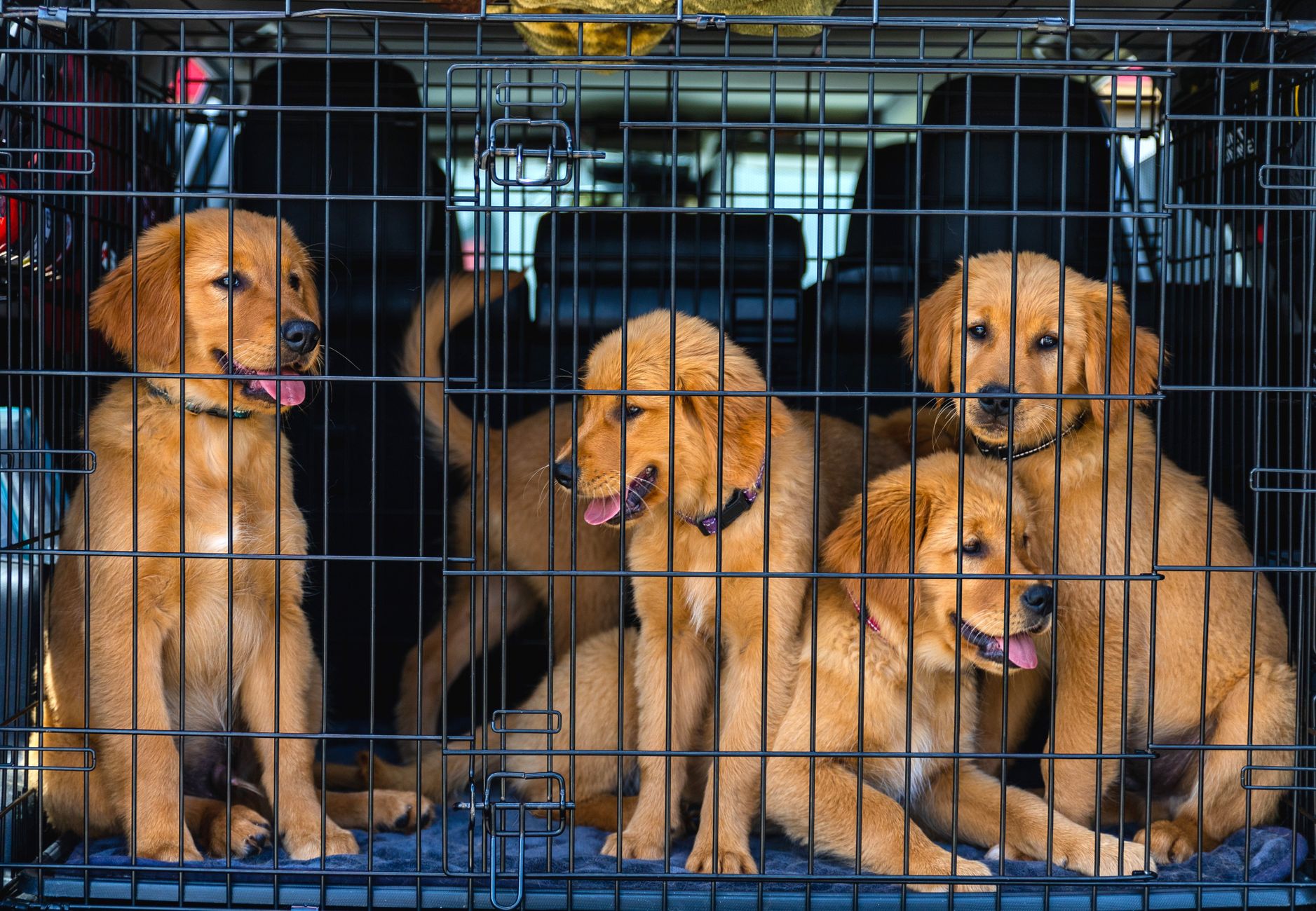
Urine or Feces Soaked Into the Crate Tray or Pan
The most common reason a dog crate smells bad is that urine or feces has soaked into the plastic tray or pan at the bottom of the crate. Even if you wipe it down regularly, liquid can seep into small scratches or porous areas of the plastic, creating a persistent odor that returns after cleaning.
To fix this, remove the tray and wash it with a mixture of warm water and a pet-safe enzymatic cleaner. Enzymatic cleaners break down the proteins in urine and feces, eliminating the smell at its source rather than just covering it up. Allow the tray to dry completely in sunlight if possible, as UV rays also help neutralize odors.
Bedding or Padding That Has Absorbed Odors
Dogs naturally shed dander, drool, and sometimes have accidents on their bedding. Over time, these substances work deep into the fibers of blankets, mats, or pillows inside the crate, creating a musty or sour smell that can be mistaken for a crate issue.
Wash all bedding in hot water with a pet-safe detergent and add a cup of white vinegar to the rinse cycle to neutralize odors. If the smell persists after washing, the bedding may need to be replaced, especially if it is made of a material that traps moisture and bacteria.
Poor Ventilation and Moisture Buildup Inside the Crate
A dog crate that is kept in a warm, humid area or has limited airflow can develop a stale smell. Moisture from your dog’s breath, drool, or damp bedding gets trapped inside, creating an environment where bacteria and mold thrive.
Improve ventilation by placing the crate in a well-circulated room away from direct heat sources. You can also leave the crate door open when your dog is not inside to allow air to flow through. If the crate has a solid plastic back and sides, consider switching to a wire crate, which offers much better airflow.
Bacteria and Mold Growing in Crevices and Hinges
Small crevices, hinges, and latches on a dog crate are easy to overlook during cleaning. Food particles, drool, and moisture can collect in these spots and become a breeding ground for bacteria and mold, which produce a distinct musty or sour odor.
Use a small brush, like an old toothbrush, to scrub these areas with a mixture of warm water and mild soap. Pay special attention to the corners of the plastic tray, the hinge points of a folding crate, and any metal parts where grime can accumulate. Rinse thoroughly and dry completely after cleaning.
Your Dog’s Own Scent and Dander Accumulation
Dogs naturally produce oils, dander, and a distinct scent that can build up in their crate over time. This is especially noticeable if your dog has a strong natural odor, such as with certain breeds or if they have a skin condition.
Regularly wiping down the crate walls and floor with a pet-safe cleaner helps reduce this buildup. Bathing your dog on a regular schedule also minimizes the amount of odor they transfer to their crate. If your dog has a persistent smell even after bathing, consult your veterinarian to rule out skin infections or other health issues.
How to Fix a Smelly Dog Crate
- Remove everything from the crate and clean the plastic tray with an enzymatic cleaner.
- Wash all bedding in hot water with a cup of white vinegar to neutralize odors.
- Improve ventilation by moving the crate to a well-airflow area or switching to a wire crate.
- Scrub all crevices, hinges, and latches with a small brush to remove hidden grime.
- Bathe your dog regularly and consult a vet if the odor is related to a skin condition.
If you are dealing with persistent odors that seem to come from the crate itself rather than the bedding, you might be interested in learning more about how to keep your dog’s environment fresh.
Frequently Asked Questions
How often should I clean my dog’s crate?
You should spot-clean the crate daily by removing any visible mess and wiping down surfaces. A deep clean, including washing the tray and bedding, should be done at least once a week, or more often if your dog has accidents or is particularly smelly.
Can I use bleach to clean a dog crate?
Bleach is not recommended for cleaning a dog crate because it can be toxic if not rinsed thoroughly and may irritate your dog’s skin or respiratory system. Instead, use a pet-safe enzymatic cleaner or a mixture of white vinegar and water, which is both safe and effective at neutralizing odors.
Why does my dog’s crate smell like ammonia?
An ammonia smell in a dog crate is almost always caused by dried urine that has not been cleaned properly. The ammonia in urine becomes more concentrated as it dries, creating a strong, sharp odor. Using an enzymatic cleaner designed for pet urine will break down the uric acid and eliminate the smell.
How do I get rid of dog smell in a wire crate?
Wire crates are easier to clean than plastic ones because they have fewer crevices. Remove the plastic tray and wash it separately, then wipe down the wire bars with a damp cloth and mild soap. Pay attention to the bottom corners where the tray meets the wire, as odors can accumulate there.
For a related read, see our guide on why an automatic litter box smells.
Final Thoughts
A smelly dog crate usually comes down to trapped moisture, uncleaned urine, or buildup of dander and drool. By identifying the specific cause and using the right cleaning methods, you can eliminate the odor and keep your dog’s space fresh.