A first aid kit for road trips should include supplies for cuts, scrapes, burns, allergic reactions, motion sickness, and any personal medications you or your passengers take regularly. The exact contents depend on where you are going, how long you will be away, and whether you have children, seniors, or people with chronic conditions in the car. A well stocked kit also accounts for the fact that you may not be near a pharmacy or clinic for hours. The goal is to handle minor issues on the road and stabilize more serious ones until you can reach professional care.
Essential Items Every First Aid Kit for Road Trips Should Include
At minimum, your kit needs adhesive bandages in multiple sizes, sterile gauze pads, medical tape, antiseptic wipes, antibiotic ointment, pain relievers (ibuprofen or acetaminophen), antihistamines for allergies, and a pair of tweezers for splinters or ticks. You should also pack a digital thermometer, disposable gloves, scissors, and a CPR face shield. These basics cover the vast majority of roadside injuries and illnesses.
Do not forget items that are specific to your trip. If you are driving through remote areas, add a tourniquet and hemostatic gauze for severe bleeding. If anyone in the car gets motion sickness, include anti-nausea medications or acupressure bands. For high altitude travel, consider acetazolamide or other altitude sickness remedies. Personal prescription medications should be in their original bottles with a copy of the prescription.
How to Customize Your First Aid Kit for Road Trips Based on Trip Type
A weekend drive to a national park requires a different kit than a cross country move or an international road trip. For camping trips, add blister treatment, insect repellent, sunburn relief, and a snake bite kit if you are in rattlesnake territory. For winter driving, include hand warmers, an emergency blanket, and a chemical heat pack. If you are traveling with infants or toddlers, pack child sized bandages, infant acetaminophen, and a bulb syringe.
International road trips introduce additional considerations. Some medications that are over the counter in the United States are controlled substances in other countries. Check the regulations at each border crossing. You may also need to include water purification tablets, oral rehydration salts, and medicines for traveler’s diarrhea if you are going to areas with limited clean water.
Storage and Organization Tips for Your Road Trip First Aid Kit
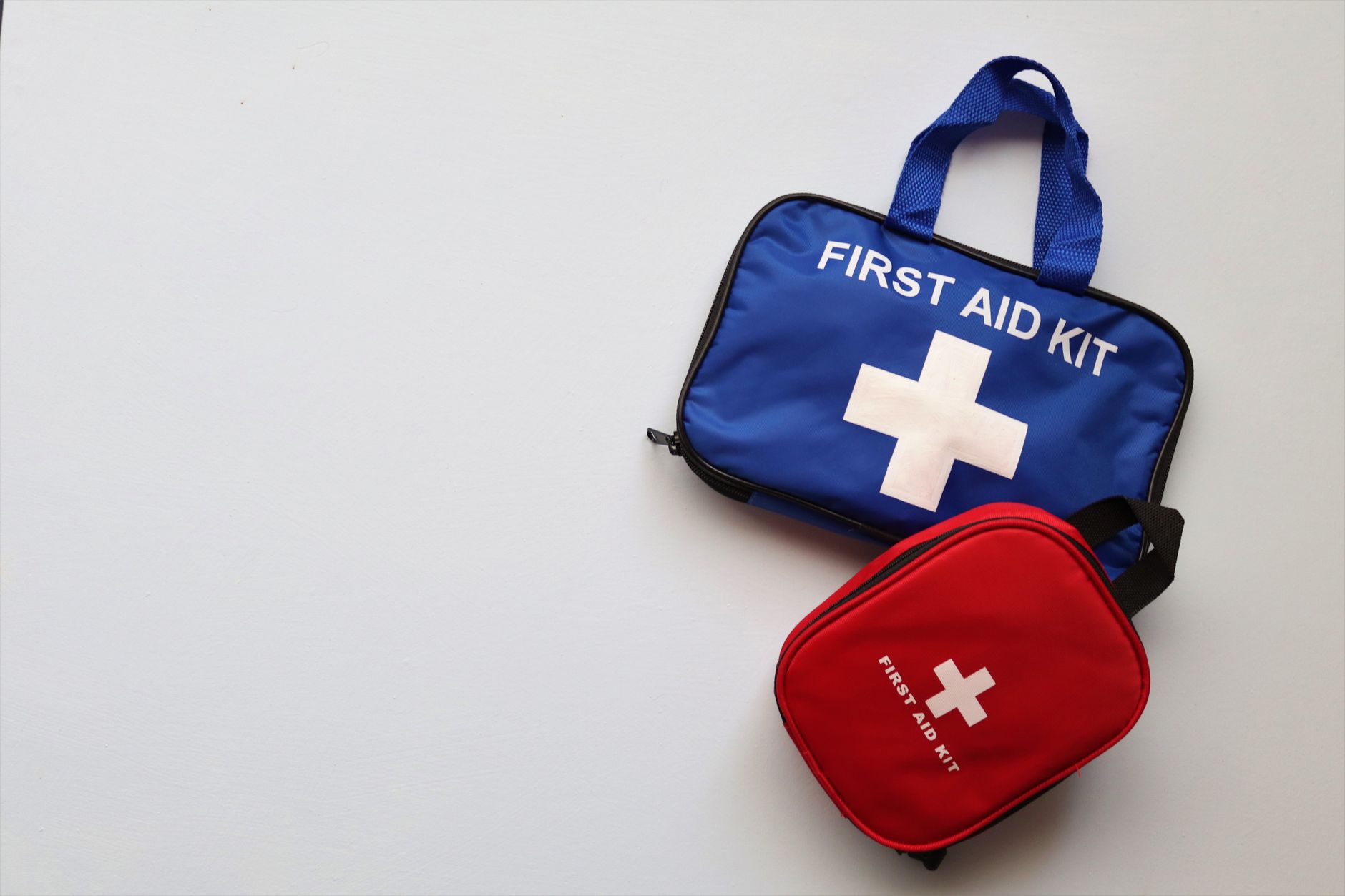
Your kit should be stored in a durable, waterproof container that is easy to carry and clearly labeled. A hard sided case with compartments keeps items organized and prevents crushing. Keep the kit in the passenger compartment, not the trunk, so it stays within reach and at a stable temperature. Extreme heat or cold can degrade medications and supplies.
Label compartments or use clear pouches so you can find what you need without dumping everything on the ground. Include a laminated card with emergency numbers, your medical history, and a list of any allergies. Also write down the location of the nearest hospital or clinic along your route.
When and How to Restock Your First Aid Kit for Road Trips
Check your kit at least once a year, ideally before September when many people start planning spring and summer road trips. Replace any expired medications, restock used items, and rotate out anything that has been exposed to extreme temperatures. If you use something from the kit on a trip, replace it as soon as you get home so the kit is ready for the next drive.
Set a recurring reminder on your phone for September of each year. This is also a good time to update your emergency contact list and check that your CPR certification is current if you have one. A neglected kit is almost as risky as no kit at all.
Legal and Safety Considerations for a First Aid Kit on Road Trips
If you carry prescription medications across state or country lines, keep them in their original pharmacy bottles with your name on the label. Some states require a prescription for certain medications that are available over the counter elsewhere. For international travel, carry a letter from your doctor explaining the medical necessity of each medication.
Also be aware of local laws regarding medical supplies. A tourniquet or hemostatic agent is legal in most places but may be restricted in some jurisdictions. When in doubt, check with the highway patrol or public health department of the states you plan to drive through.
How to Build a First Aid Kit for Road Trips in Five Steps
- Start with a pre made base kit and add items based on your trip length, destination, and passengers.
- Include personal medications, allergy treatments, and motion sickness relief if needed.
- Store the kit in a waterproof, organized container inside the passenger cabin.
- Check and restock the kit at least once a year, especially before September.
- Review legal requirements for medications and medical supplies at your destination.
Building a first aid kit tailored to your road trip gives you peace of mind and ensures you can handle common issues without a detour to a pharmacy. For more guidance on keeping your travel gear in top shape, you may find our article on carpet cleaners for stairs helpful if you are also dealing with car interior messes, though that is a different topic entirely.
Frequently Asked Questions
Should I include a tourniquet in my road trip first aid kit?
A tourniquet can be life saving for severe limb bleeding, but only if you are trained to use it correctly. If you are driving through remote areas or plan to participate in outdoor activities, include one and take a brief online course on proper application.
How often should I replace the contents of my road trip first aid kit?
Check your kit every six months for expired medications and damaged packaging. Replace any used items immediately after a trip. A good rule is to do a full review at the beginning of September and again in September.
Can I use a pre made first aid kit or should I build my own?
A pre made kit is a good starting point, but you will almost always need to add items specific to your trip. Most store bought kits lack medications, allergy treatments, and supplies for serious bleeding. Build on top of a base kit rather than starting from scratch.
What should I do if I run out of a medication while on a road trip?
Call your doctor’s office or a pharmacy chain that can access your prescription records. Many chains can transfer a prescription to a location near your route. For over the counter medications, stop at any drugstore. Always carry a list of your medications and dosages in your kit.
How do I keep my first aid kit from getting too hot in the car?
Store the kit in a cooler or insulated bag during summer months, or keep it in the passenger cabin rather than the trunk. Avoid leaving it in direct sunlight. Extreme heat can degrade medications and render supplies less effective.
Related Guides
Final Thoughts
A first aid kit for road trips is not a one size fits all item. The right kit matches your route, passengers, and planned activities. Take time to build and maintain it, and you will be prepared for the unexpected without overpacking.