You should change your air purifier filter every 6 to 12 months for most standard HEPA filters, but the exact interval depends on factors like usage hours, air quality, and filter type. This general range works well for average home use, but your specific situation may require more frequent changes. Understanding how often should you change air purifier filter helps you maintain clean air and avoid wasting energy on a clogged unit.
Usage Hours and Room Size
The more hours you run your air purifier each day, the faster the filter loads up with particles. If you run it 24/7, expect to replace the filter closer to the 6-month mark. Running it only at night or in a small room can stretch that to 12 months or more.
Room size matters too. A filter in a large open area works harder than one in a compact bedroom, so it may need changing sooner. Always check the manufacturer’s recommended filter life for your specific model and adjust based on how much you actually use it.
Air Quality and Environmental Factors
If you live in an area with high outdoor pollution, wildfire smoke, or seasonal pollen, your filter will clog faster. Homes with pets, smokers, or frequent cooking also load filters with extra particles like dander, smoke, and grease. In these cases, changing the filter every 3 to 6 months may be necessary.
Even if your home seems clean, invisible fine particles from dust mites, mold spores, and volatile organic compounds (VOCs) can accumulate. A filter that looks clean on the outside may still be saturated inside, so don’t rely on appearance alone. Pay attention to any changes in air quality or allergy symptoms as a signal.
Filter Type and Quality
Different filter types have different lifespans. True HEPA filters typically last 6 to 12 months, while washable or permanent filters can last several years with regular cleaning. Carbon pre-filters, which trap odors and gases, often need replacement every 3 to 6 months because they saturate faster than HEPA media.
Higher quality filters from reputable brands often last longer than generic ones, but they cost more upfront. Always follow the manufacturer’s replacement schedule for your specific filter type. Using a filter past its useful life reduces efficiency and can even release trapped particles back into the air.
Signs Your Filter Needs Changing
Your air purifier may give you clear signals. Many units have a filter replacement indicator light that turns on when it’s time. If your device doesn’t have one, watch for other clues: reduced airflow from the vent, increased dust settling on surfaces, or a musty odor coming from the unit.
You might also notice your energy bills creeping up as a clogged filter forces the fan to work harder. If you or your family experience more allergy symptoms like sneezing or congestion, that’s another sign the filter may be overdue for a change.
Maintenance Tips to Extend Filter Life
Vacuuming the outside of the filter every month can remove large dust clumps and extend its effective life. Some filters have a pre-filter layer that you can wash or vacuum separately. Keeping the area around the air purifier clean also reduces the load on the filter.
Running the unit on a lower fan speed when air quality is good can reduce wear. However, don’t turn it off completely for long periods, because that allows particles to settle and makes the filter work harder when you turn it back on. A consistent schedule is better than intermittent heavy use.
How to Fix or Adjust Your Replacement Schedule
To figure out the right replacement interval for your home, start with the manufacturer’s recommendation and then adjust based on your specific conditions. Here are the key actions to take:
- Check the user manual for the recommended filter life and set a reminder on your phone.
- Monitor the filter replacement indicator light if your unit has one.
- Inspect the filter visually every 3 months and replace it if it looks dark or clogged.
- If you have pets or smoke, shorten the interval by half.
- Use a timer or smart plug to track total run hours and calculate a custom schedule.
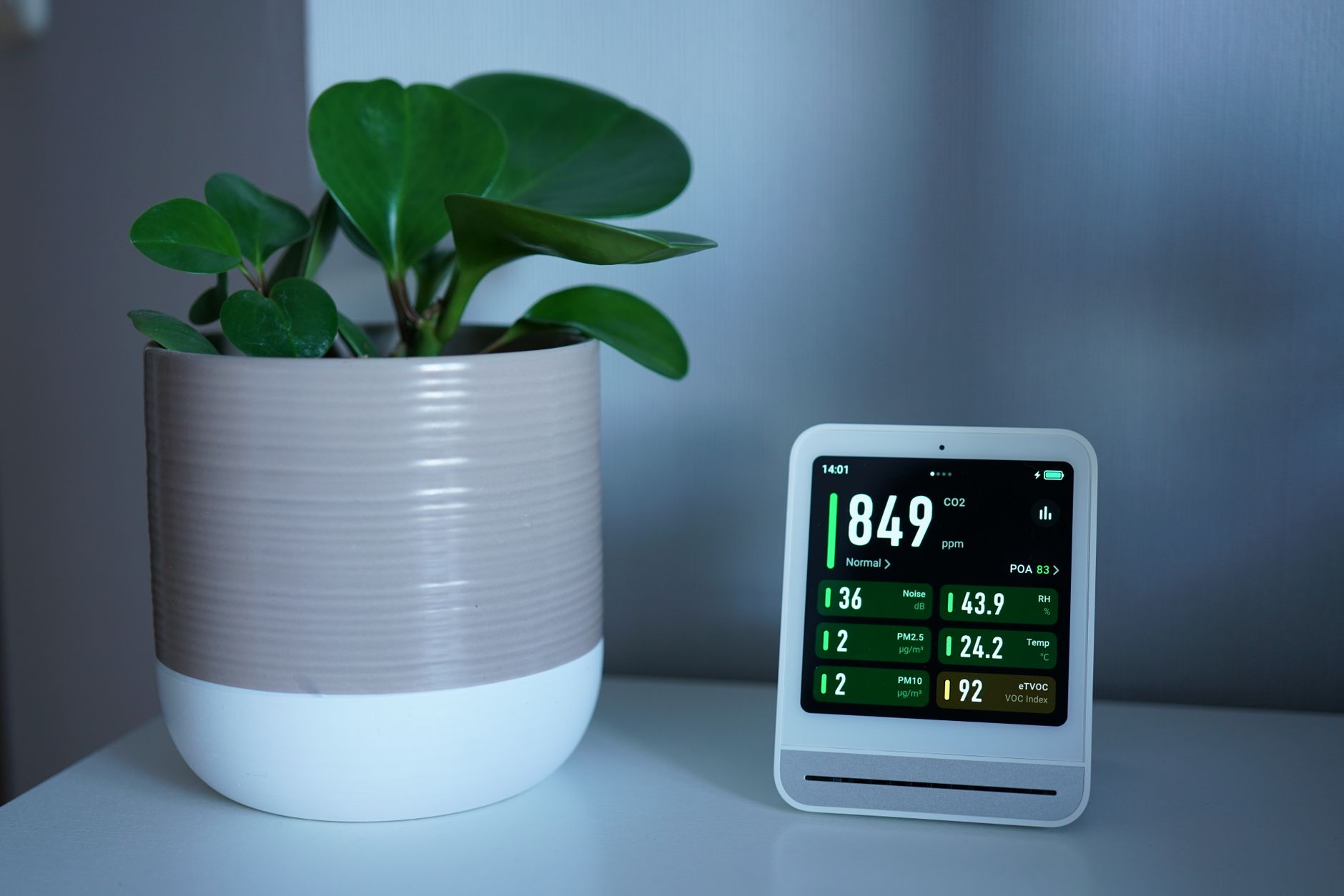
Once you have a solid replacement schedule, you might also want to check your indoor air quality more broadly. For example, a clogged air purifier filter can sometimes be a sign of excess humidity or poor ventilation.
Want to compare more options? Our sister site Air Purifier Picks covers replacement filters in more depth.
Frequently Asked Questions
Can I wash and reuse a HEPA filter?
Most true HEPA filters are not washable because water damages the fine fibers that trap particles. Only washable or permanent filters can be rinsed. Check your filter label or manual before attempting to clean it.
What happens if I don’t change the air purifier filter?
A clogged filter reduces airflow, making the unit less effective and forcing the motor to work harder. This can increase energy use, shorten the purifier’s lifespan, and allow trapped particles to re-enter the air.
How do I know if my air purifier filter is bad?
Common signs include reduced airflow, a musty smell, visible dust on the filter surface, or the filter replacement light turning on. If you notice more dust settling on furniture or worsening allergies, the filter likely needs changing.
Does running an air purifier 24/7 shorten filter life?
Yes, continuous operation loads the filter faster. Running it 24/7 typically requires replacement every 6 months, while intermittent use can extend that to 12 months. The actual life depends on air quality and filter type.
Can I use a third-party filter instead of the original brand?
Third-party filters are often cheaper but may not fit perfectly or perform as well. They can void the warranty if they cause damage. Always check compatibility and reviews before buying an alternative.
Related Guides
Final Thoughts
Knowing how often should you change air purifier filter comes down to your specific usage and environment, with a general range of 6 to 12 months.