You should change your cat fountain water every 2 to 3 days, and perform a full cleaning and filter replacement at least once a week. This frequency prevents bacteria buildup, keeps the water fresh, and encourages your cat to drink more. The exact schedule depends on factors like the number of cats using the fountain, the water quality in your area, and the fountain’s design. Sticking to a regular routine is the most reliable way to ensure your cat always has clean, appealing water.
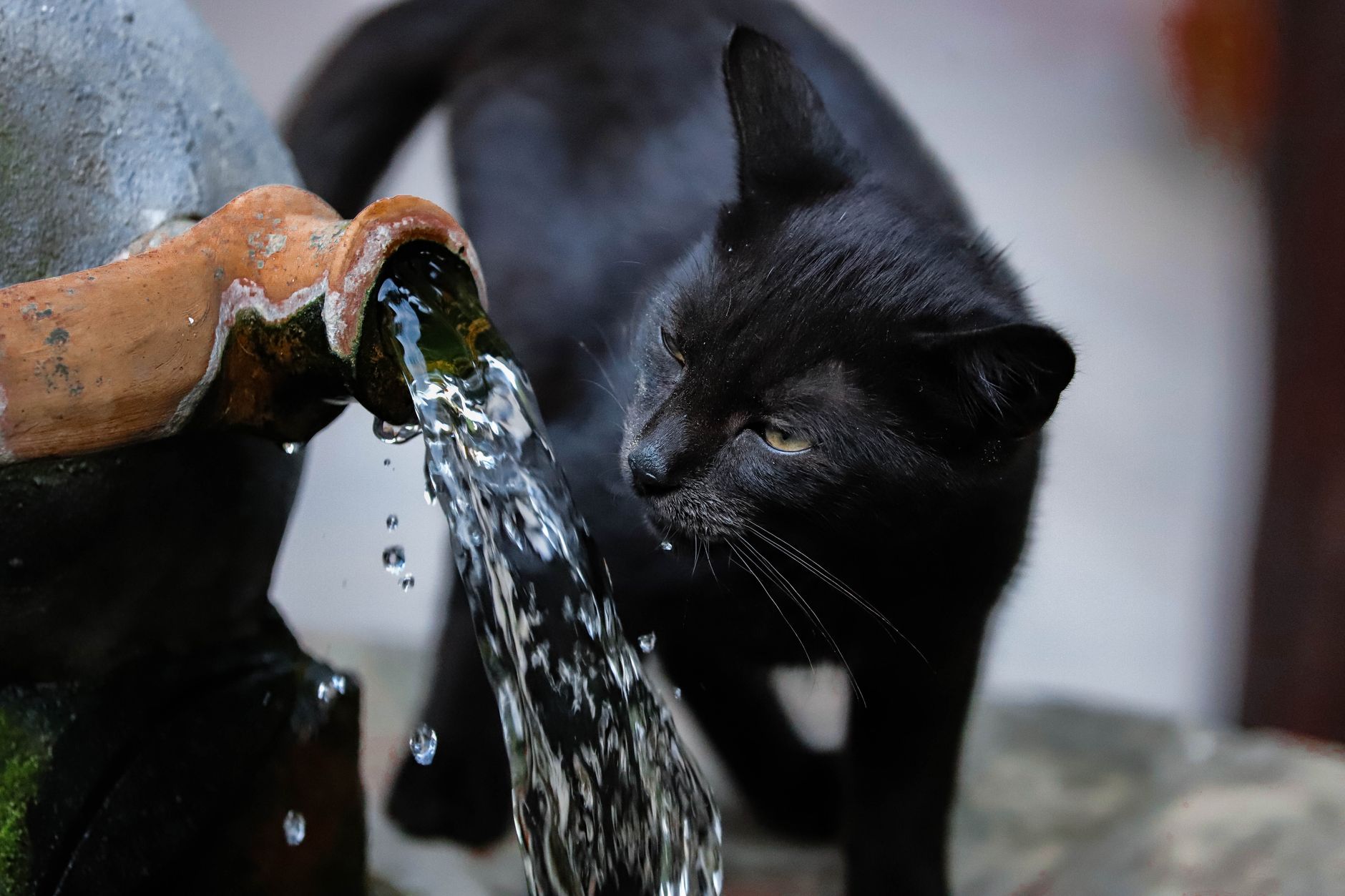
Why Water Change Frequency Matters for Your Cat’s Health
Cat fountains circulate water through a pump and filter, which traps hair, food particles, and dust. Over time, this organic matter breaks down and creates a breeding ground for bacteria, mold, and slime. If you don’t change the water often enough, your cat may refuse to drink, leading to dehydration or urinary tract issues.
The key is balancing convenience with hygiene. While the fountain’s filtration system does extend water life compared to a bowl, it cannot eliminate all contaminants. Regular water changes remove dissolved waste and prevent the pump from clogging, which keeps the fountain running quietly and efficiently.
Factors That Affect How Often to Change Cat Fountain Water
Number of Cats Using the Fountain
If you have multiple cats sharing one fountain, the water gets dirty faster. Each cat introduces saliva, dander, and food debris. For a single cat, a 2 to 3 day water change schedule works well. For two or more cats, you may need to change the water every day or every other day to keep it fresh.
Water Quality in Your Area
Hard water with high mineral content leaves white scale deposits on the fountain surfaces and pump. These deposits trap bacteria and reduce filter efficiency. If you live in an area with hard water, you might need to change the water more frequently and descale the fountain monthly with a vinegar solution. Soft water generally requires less frequent changes.
Fountain Design and Material
Fountains made of ceramic or stainless steel are less porous than plastic, so they resist bacterial growth better. Plastic fountains can develop scratches that harbor bacteria, even with regular cleaning. A fountain with a larger water reservoir stays fresher longer than a small one, because the water volume dilutes contaminants more effectively.
Filter Type and Condition
Charcoal filters remove odors and improve taste, while foam filters trap larger particles. A clogged or expired filter cannot do its job, so water quality declines even if you change the water regularly. Replace filters according to the manufacturer’s instructions, typically every 2 to 4 weeks. A fresh filter helps extend the time between full water changes.
Room Temperature and Humidity
Warm, humid environments accelerate bacterial growth in the water. If your cat fountain sits in a sunny spot or a humid room like a laundry area, you may need to change the water daily. Cooler, dry conditions allow a longer interval between changes, but never exceed 3 days without a full water change and cleaning.
How to Clean Your Cat Fountain Properly
A quick water change isn’t enough. You need to disassemble the fountain, scrub all parts with a mild dish soap and a soft brush, then rinse thoroughly to remove any soap residue. Soap residue can alter the water taste and deter your cat from drinking.
For a deeper clean, soak the pump and other parts in a solution of equal parts white vinegar and water for 15 to 30 minutes. This dissolves mineral deposits and kills bacteria. Rinse everything well before reassembling. Never use bleach or harsh chemicals, as residues can harm your cat.
- Change the water every 2 to 3 days, or daily for multiple cats.
- Clean the entire fountain at least once a week.
- Replace the filter every 2 to 4 weeks, or as recommended.
- Descale the fountain monthly if you have hard water.
- Monitor your cat’s drinking habits; a sudden decrease may indicate the water is stale.
While that article focuses on tools, the approach to diagnosing and fixing issues applies to pet care equipment too.
Frequently Asked Questions
Can I leave cat fountain water for a week?
No, leaving water for a week is not recommended. Bacteria can multiply significantly after 3 days, even with a filter. Your cat may refuse to drink stale water, leading to dehydration. Stick to a 2 to 3 day change schedule for optimal freshness.
Does the filter eliminate the need for water changes?
No, a filter cannot remove all contaminants. It traps particles and reduces odors, but dissolved waste, bacteria, and minerals still accumulate in the water. Regular water changes are essential even with a high-quality filter.
What happens if I don’t change cat fountain water often enough?
Stale water can develop a slimy biofilm, bad odor, and harmful bacteria like E. coli or Pseudomonas. Your cat may stop drinking, increasing the risk of urinary tract infections, kidney stones, or dehydration. Regular changes prevent these health issues.
Should I use tap water or filtered water in the fountain?
Filtered or bottled water is better for cat fountains because tap water may contain chlorine, minerals, or contaminants that affect taste and cause scale buildup. If you use tap water, let it sit for an hour to allow chlorine to dissipate before adding it to the fountain.
How do I know if the water is still safe for my cat?
Check for visible debris, cloudiness, or an off smell. If the water looks clear and smells neutral, it’s likely fine. However, bacteria can be present without visible signs, so follow your schedule regardless of appearance. When in doubt, change it.
Related Guides
- How Often to Change Cat Water Fountain Filter
- Cat Water Fountain Not Flowing
- Cat Water Fountain Making Noise?
Final Thoughts
Changing your cat fountain water every 2 to 3 days and cleaning the fountain weekly is the best way to keep your cat healthy and hydrated.