To clean a pellet grill, you need to remove ash, grease, and food residue from the fire pot, drip tray, grates, and interior surfaces. Regular cleaning prevents flare-ups, maintains temperature accuracy, and extends the life of your grill. Without it, you risk off flavors, uneven cooking, and even component damage. This guide covers every step so you can keep your pellet grill running like new.
Why Cleaning Your Pellet Grill Matters
A dirty pellet grill doesn’t just look bad; it affects how your food cooks. Ash buildup in the fire pot can choke the burn, causing temperature swings. Grease that collects on the drip tray can catch fire during a hot cook. And old food particles on the grates transfer stale, burnt flavors to whatever you grill next. Knowing how to clean a pellet grill properly means addressing each of these problem areas.
Cleaning frequency depends on how often you cook. If you use your grill weekly, a deep clean every month or two is enough. For heavy users, every few weeks might be necessary. The key is to learn what to look for and when to act.
Ash and Grease in the Fire Pot
The fire pot is where pellets burn to create heat and smoke. Over time, ash accumulates and can block the airflow, making it hard to maintain a steady temperature. Worse, if the ash gets wet (from rain or a humid environment), it turns into a hard, clumpy paste that clogs the auger and igniter.
To clean the fire pot, let the grill cool completely, then use a shop vacuum or a small hand vacuum to suck out the ash. A plastic scraper or putty knife helps loosen stubborn clumps. Never use water inside the fire pot; it can cause rust or damage the electrical components.
Grease Buildup on the Drip Tray and Grease Bucket
Grease drips from the grates onto the drip tray and eventually into the grease bucket. If the tray is not cleaned regularly, the grease can ignite, especially during high-heat searing. A grease fire in a pellet grill is dangerous and can warp the lid or melt internal parts.
Remove the drip tray and scrape off solid grease with a plastic scraper. Wash it with warm, soapy water and dry thoroughly before reinstalling. The grease bucket should be emptied and washed after every few cooks, or whenever it is more than half full. Check the bucket for cracks or holes that could leak grease onto your deck.
Food Residue on the Grates
Grill grates collect burnt-on food and sauce residue. If you do not clean them, that residue will char and flake onto new food. It also creates a sticky surface that makes flipping burgers or turning chicken difficult.
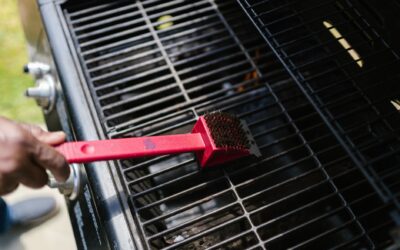
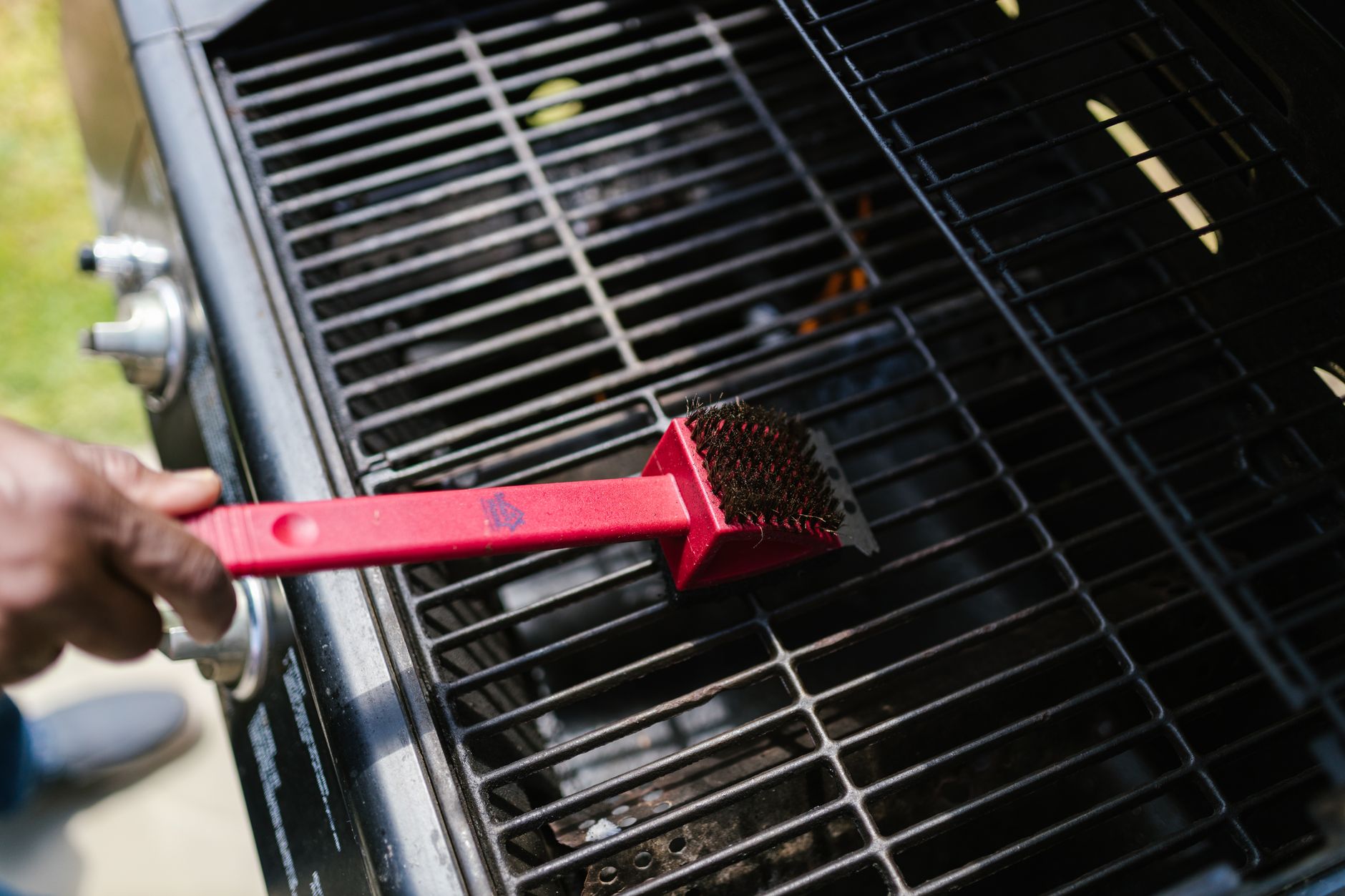
After each cook, while the grates are still warm (but not hot), use a grill brush or a ball of aluminum foil to scrub them. For a deeper clean, remove the grates and soak them in warm, soapy water for 15-20 minutes, then scrub with a non-abrasive pad. Rinse and dry thoroughly before putting them back.
Interior Surfaces and Lid
The inside of the lid and the barrel accumulate smoke residue and grease splatter. Over time, this can peel off in flakes and land on your food. It also makes the grill look unkempt and can trap odors.
Wipe down the interior with a damp cloth or a paper towel after each deep clean. For stubborn buildup, use a mild degreaser or a mixture of vinegar and water. Avoid harsh chemicals that could leave a residue and affect food flavor. Dry everything completely to prevent rust.
Rust Prevention and Component Care
Pellet grills are made of steel, and moisture is their enemy. Rust can form on the grates, the fire pot, and the exterior if you leave the grill uncovered in rain or snow. Rust weakens the metal and can flake into food.
After cleaning, always dry all parts thoroughly. Apply a light coat of cooking oil to the grates and the drip tray to create a protective barrier. Store the grill under a cover when not in use, and check the cover for holes or mildew. Replace the cover if it no longer sheds water.
How to Clean a Pellet Grill: Step-by-Step Summary
- Let the grill cool completely before starting.
- Vacuum ash from the fire pot using a shop vac.
- Scrape and wash the drip tray; empty and wash the grease bucket.
- Scrub the grates with a brush or soak them in soapy water.
- Wipe down interior surfaces with a damp cloth or mild cleaner.
- Dry everything thoroughly and apply a light oil coat to metal parts.
- Cover the grill when not in use to prevent rust.
Following these steps regularly will keep your pellet grill performing at its best. If you are dealing with a specific issue like a stuck auger or a faulty igniter, you may need to troubleshoot those components separately.
Related Guides
Frequently Asked Questions
How often should I clean my pellet grill?
For most users, a deep clean every 2-3 months is sufficient. If you cook multiple times per week, clean it monthly. The grates should be brushed after every cook, and the grease bucket emptied when half full.
Can I use oven cleaner on my pellet grill?
No, avoid oven cleaner or any harsh chemical inside the grill. These can leave toxic residues that contaminate food. Stick to mild dish soap, vinegar, or a dedicated grill cleaner labeled safe for pellet grills.
Do I need to clean the temperature probe?
Yes, the temperature probe (or meat probe) can collect grease and smoke residue, causing inaccurate readings. Wipe it with a damp cloth after each use. Do not submerge the probe in water if it is electronic.
What happens if I don’t clean the fire pot?
Ash buildup in the fire pot restricts airflow, leading to poor combustion and temperature fluctuations. It can also cause the fire to go out or create a dangerous backdraft. In severe cases, the auger can jam.
Can I pressure wash my pellet grill?
Pressure washing is not recommended. Water can force its way into electrical components, bearings, and the auger motor, causing rust or short circuits. Stick to manual cleaning with cloths, scrapers, and a shop vacuum.
Learning how to clean a pellet grill correctly is the simplest way to improve your grilling results and avoid costly repairs. For more tips on maintaining outdoor cooking equipment, check out our guide on how to drill into concrete, while not directly related, the same careful, step-by-step approach applies to any DIY project.