To clean adjustable dumbbells, wipe them down after each workout with a damp microfiber cloth and mild soap, then dry thoroughly. For deeper cleaning, disassemble the weights and use a gentle cleaner suited to the material (rubber, chrome, or urethane), paying special attention to the adjustment mechanism where grime builds up. Regular maintenance prevents corrosion, keeps the locking system smooth, and extends the life of your equipment.
Why Cleaning Your Adjustable Dumbbells Matters
Sweat is acidic and can corrode metal components over time, especially on chrome or steel plates. Dirt and dead skin particles combine with moisture to create a sticky residue that attracts more debris. If you never clean your adjustable dumbbells, the locking mechanism may become stiff or fail, and the grips can become slippery and unsafe.
Additionally, bacteria and fungi thrive in the warm, damp environment of used gym equipment. Regular cleaning not only preserves the dumbbells but also protects your hands and skin from infections. A five-minute wipe down after each session can save you from costly replacements down the road.
What You’ll Need to Clean Adjustable Dumbbells
Before you start, gather the right supplies. For most materials, a soft microfiber cloth, mild dish soap, and warm water are sufficient. For stubborn grime, isopropyl alcohol (70% or higher) works well on metal and plastic parts. Avoid abrasive sponges or harsh chemicals like bleach, which can strip coatings and damage rubber or urethane.
You may also need a small brush (like an old toothbrush) to reach into the adjustment slots and locking dials. A dry towel for immediate drying is essential to prevent water spots or rust. If your dumbbells have a rubber coating, consider a dedicated rubber cleaner or a vinegar-water solution (1:4 ratio) for deeper stains.
How to Clean Rubber-Coated Adjustable Dumbbells
Rubber coatings are common on many adjustable dumbbells because they reduce noise and protect floors. To clean them, mix a few drops of mild dish soap with warm water. Dampen a microfiber cloth (do not soak) and wipe down each weight plate and the handle. Avoid getting water inside the adjustment mechanism.
For stubborn sweat stains or white residue, use a solution of equal parts white vinegar and water. Apply it with a cloth, let it sit for a minute, then wipe clean. Rinse with a clean damp cloth and dry immediately. Never submerge rubber plates in water; the coating can delaminate or hold moisture, leading to mold growth.
How to Clean Chrome or Steel Adjustable Dumbbells
Chrome and steel are prone to rust if not dried properly. Start by wiping down each plate with a dry cloth to remove loose dirt. Then use a slightly damp cloth with a drop of dish soap to clean the surfaces. Dry immediately with a separate towel to eliminate any moisture.
If you notice small rust spots, apply a small amount of white vinegar or a chrome polish to a soft cloth and rub gently. For heavier rust, use a very fine steel wool (grade 0000) with a light touch, then clean and dry thoroughly. After cleaning, you can apply a thin layer of mineral oil to protect the metal, but avoid getting oil on the grips or adjustment dials.
How to Clean Plastic or Urethane Adjustable Dumbbells
Plastic and urethane handles are common on budget-friendly or space-saving adjustable dumbbells. These materials are easier to clean but can become sticky or discolored over time. Wipe them with a cloth dampened with warm soapy water, then rinse with a clean damp cloth and dry.
For sticky residue from sweat or hand lotion, use isopropyl alcohol on a cotton ball or soft cloth. Avoid acetone or nail polish remover, as these can dissolve the plastic. Urethane is more durable than plastic but can still fade if exposed to direct sunlight for long periods; store your dumbbells away from windows.
Cleaning the Adjustment Mechanism
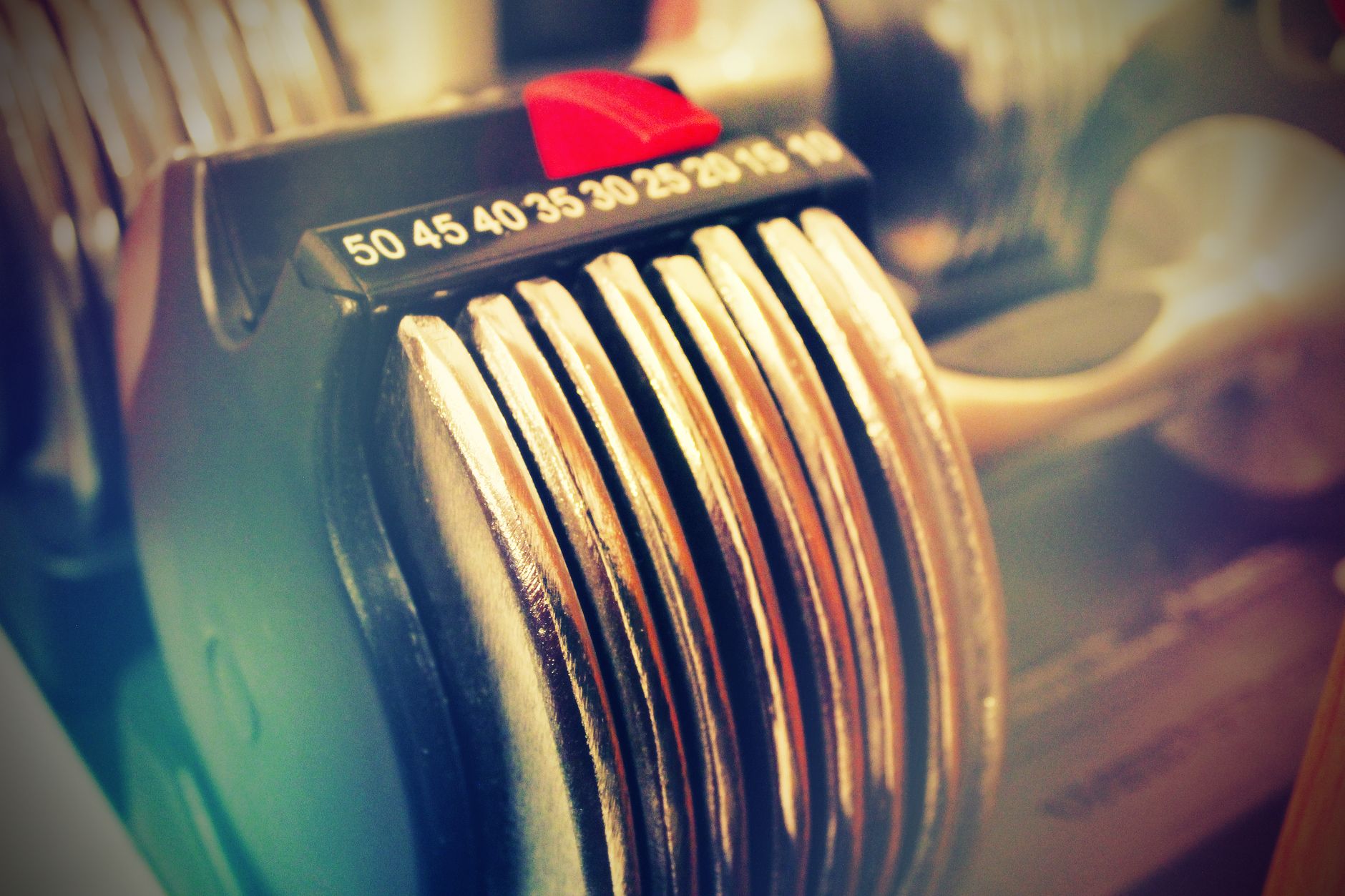
The adjustment mechanism is the most critical part to keep clean. Dirt and grime can cause the dials to stick or fail to lock properly. Use a dry or slightly damp cloth to wipe the dial, the slots, and the locking pins. For deep cleaning, remove the weight plates if your model allows, and use a small brush to dislodge debris from the grooves.
After cleaning, lubricate the moving parts with a silicone-based lubricant or a dry Teflon spray. Avoid oil-based lubricants that attract dust. Test the adjustment several times to ensure smooth operation. If the mechanism still feels rough, the problem may be internal; refer to your owner’s manual for specific maintenance instructions.
How Often Should You Clean Adjustable Dumbbells?
Ideally, wipe down your adjustable dumbbells after every workout with a dry towel to remove sweat. A deep clean, including the adjustment mechanism, should be done once a month or more often if you use them heavily. If you notice any rust, sticky residue, or unusual noises from the adjustment system, clean immediately.
In humid climates, consider storing your dumbbells in a dry area with good air circulation. Using a dehumidifier in your home gym can also reduce the risk of rust and mildew. Regular maintenance is far easier than restoring neglected equipment.
What to Do If Your Dumbbells Are Sticky or Rusted
If your adjustable dumbbells have become sticky despite regular cleaning, the rubber or plastic may be degrading due to age or exposure to heat. In that case, clean with isopropyl alcohol and apply a thin layer of baby powder to reduce tackiness. For rust that has pitted the metal, light sanding with fine sandpaper (400 grit) followed by a coat of rust inhibitor can help, but severe rust may require part replacement.
If the adjustment mechanism fails to lock after cleaning and lubrication, check for bent pins or broken springs. Many manufacturers sell replacement parts, so search for your model’s manual online. In some cases, it may be more cost-effective to replace the entire set.
Frequently Asked Questions
Can I use bleach to clean my adjustable dumbbells?
No, bleach is too harsh and can damage rubber, plastic, and chrome coatings. Stick to mild soap and water or isopropyl alcohol for disinfecting. Always test any cleaner on a small hidden area first.
How do I remove rust from adjustable dumbbells?
Light rust can be removed with white vinegar or a fine steel wool pad. After cleaning, dry thoroughly and apply a thin coat of mineral oil or silicone spray to protect the metal. For deep rust, sanding with fine sandpaper may be necessary.
Can I use WD-40 on the adjustment mechanism?
WD-40 is a solvent, not a lubricant, and can attract dirt over time. Use a silicone-based lubricant or a dry Teflon spray specifically designed for gym equipment. WD-40 can be used briefly to loosen stuck parts, but wipe it off and apply proper lubricant afterwards.
How do I clean the foam grips on some adjustable dumbbells?
Foam grips can be cleaned with a mild soap solution and a soft cloth or sponge. Squeeze out excess water to avoid saturating the foam. Let them air dry completely before using the dumbbells again. If the foam starts to degrade, consider replacing the handles.
Is it safe to put adjustable dumbbells in water?
No, never submerge adjustable dumbbells in water. Water can seep into the adjustment mechanism, causing rust or internal damage. Always use a damp cloth and dry immediately. For deep cleaning, disassemble and clean each part separately.
Related Guides
- Best Adjustable Dumbbells
- Best Dumbbells for Home Gym
- Adjustable Dumbbell Won't Lock
- Best Adjustable Dumbbells on Amazon for
- Top-Rated Adjustable Dumbbells for Smart Home Workouts in
Final Thoughts
Keeping your adjustable dumbbells clean is a simple habit that prevents rust, maintains smooth adjustment, and protects your investment. Wipe them down after each session and deep clean monthly to keep them in top condition for years.