If your adjustable dumbbell stuck in a certain weight position, the most common cause is a misaligned selector pin or debris lodged in the weight plate mechanism. This typically happens when you try to change weights too quickly or store the dumbbell improperly. Before you consider replacing the entire set, know that most jams can be resolved with a simple cleaning or realignment that takes less than ten minutes.
Misaligned Selector Pin or Dial
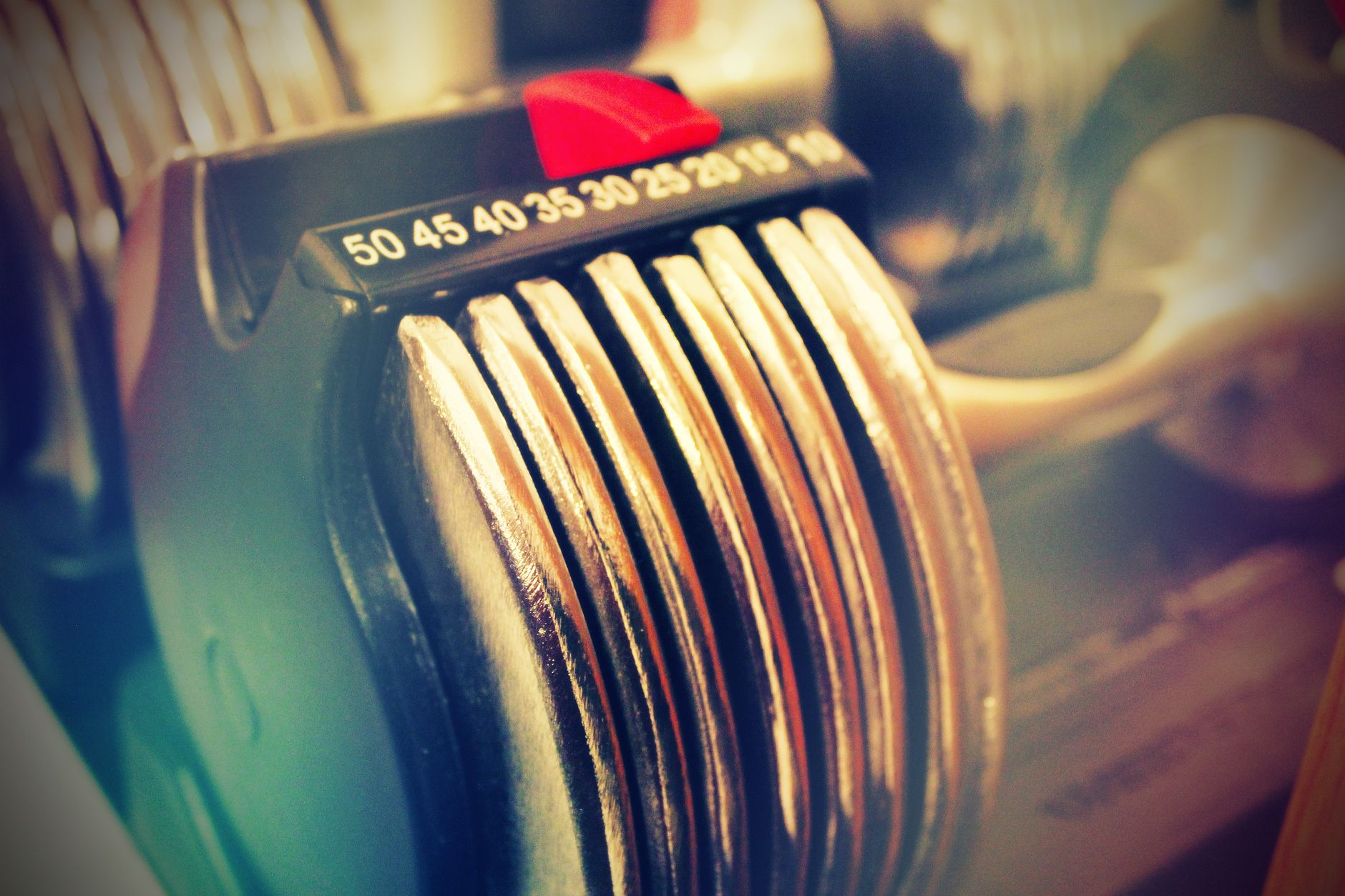
The selector pin or dial is the part you turn or pull to choose a weight. If it is not fully seated in its slot, the locking mechanism inside the handle will not release the plates. This is the most frequent reason an adjustable dumbbell stuck occurs.
In many designs, the pin has a spring-loaded ball bearing that clicks into place. If that bearing is worn or dirty, it can catch on the edge of the slot rather than sliding in cleanly. You may feel resistance or hear a grinding sound when you try to turn it.
To fix this, inspect the pin for visible damage or debris. Clean it with a dry cloth and apply a tiny amount of silicone lubricant to the moving parts. Then reseat it firmly, ensuring it clicks into place before attempting to change weights again.
Debris or Dirt in the Weight Plate Mechanism
Adjustable dumbbells have precision-machined slots and channels where weight plates lock onto the handle. Over time, dust, sweat, and small metal shavings can accumulate in these gaps. This buildup can prevent plates from sliding freely, causing the dumbbell to stick.
If you use your dumbbells on a carpeted floor or in a dusty garage, debris is almost inevitable. Even a single small particle can wedge between the plate and the handle, creating friction that locks the mechanism.
Clean the entire weight stack and handle with a soft brush or compressed air. Pay special attention to the grooves where the plates connect. Avoid using water or harsh chemicals, as these can damage the finish or cause rust.
Bent or Damaged Weight Plate Tabs
Each weight plate has small metal tabs that fit into corresponding slots on the handle. If you drop a dumbbell or set it down roughly, these tabs can bend slightly. A bent tab will not align with its slot, making it impossible to release or attach that plate.
This is more common with budget-friendly dumbbells that use thinner metal for the tabs. Even a minor drop from waist height can be enough to deform them. You may notice that only one specific plate is causing the issue while the others work fine.
Inspect each plate individually for visible bending. If you find a bent tab, you may be able to gently straighten it with pliers, but be careful not to snap it off. If the tab is cracked or severely bent, the plate will likely need to be replaced.
Rust or Corrosion on Moving Parts
Moisture from sweat or humid storage conditions can cause rust on the steel components of your adjustable dumbbell. Rust creates a rough surface that increases friction between the handle and the weight plates, making them stick together.
This is particularly common if you store dumbbells in a basement, garage, or any area with high humidity. The rust may not be visible on the outside but can form inside the handle where plates lock in place.
To remove light rust, use a fine steel wool pad or a rust eraser to gently scrub the affected areas. Apply a thin layer of silicone lubricant afterward to prevent future corrosion. For heavy rust, consider replacing the affected parts or the entire set.
Worn or Broken Locking Mechanism Springs
Inside the handle of many adjustable dumbbells, small springs push locking pins into place when you select a weight. Over hundreds or thousands of uses, these springs can weaken or break. A broken spring means the locking pin will not retract, leaving the dumbbell stuck in one position.
You may notice that the selector dial feels loose or does not click firmly into each weight setting. In some cases, the dumbbell will only lock in the heaviest or lightest position because the spring cannot overcome the friction of the other positions.
This repair is more involved and may require disassembling the handle. If you are comfortable with basic tools, you can order replacement springs from the manufacturer. Otherwise, contact customer support for warranty service or a repair quote.
How to Fix an Adjustable Dumbbell Stuck on a Specific Weight
- Check the selector pin or dial for proper alignment and clean it with a dry cloth.
- Blow compressed air into the weight plate slots to remove dust and debris.
- Inspect each weight plate tab for bending and gently straighten if needed.
- Apply silicone lubricant to any rusty or sticky moving parts.
- If the locking mechanism feels loose, test the springs inside the handle.
If you have tried these steps and your adjustable dumbbell stuck issue persists, the problem may be a manufacturing defect or a part that is not user-serviceable.
Related Guides
Frequently Asked Questions
Can I use WD-40 on my adjustable dumbbell?
WD-40 is a water displacer and light lubricant, but it is not ideal for long-term use on dumbbell mechanisms. It can attract dust and gum up over time. Silicone-based lubricant is a better choice because it stays slick without collecting debris.
Will dropping my dumbbell void the warranty?
Most manufacturers consider dropping a dumbbell to be misuse and will not cover resulting damage under warranty. Check your product’s warranty terms, but generally, you are responsible for damage caused by impact or improper handling.
How often should I clean my adjustable dumbbells?
You should wipe down the handles and weight plates after every use to remove sweat and dust. A deeper cleaning of the locking mechanism every few months is enough to prevent buildup that can cause sticking.
Is it safe to use a stuck dumbbell with force?
No. Forcing a stuck dumbbell can damage the locking mechanism or cause a plate to detach unexpectedly during use. Always stop and diagnose the cause of the stick before applying force.
If your adjustable dumbbell stuck problem seems to come from a broken internal part, the safest fix is to contact the manufacturer for a replacement or repair.