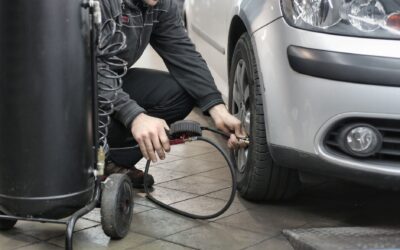
The tire pressure you need is the one recommended by your vehicle manufacturer, usually found on a sticker inside the driver’s door jamb or in your owner’s manual. That number, measured in PSI (pounds per square inch), is the cold inflation pressure that balances handling, fuel economy, and tire life. Most passenger cars recommend between 30 and 35 PSI, but your specific vehicle may be different. Always use that manufacturer number, not the maximum pressure printed on the tire sidewall.
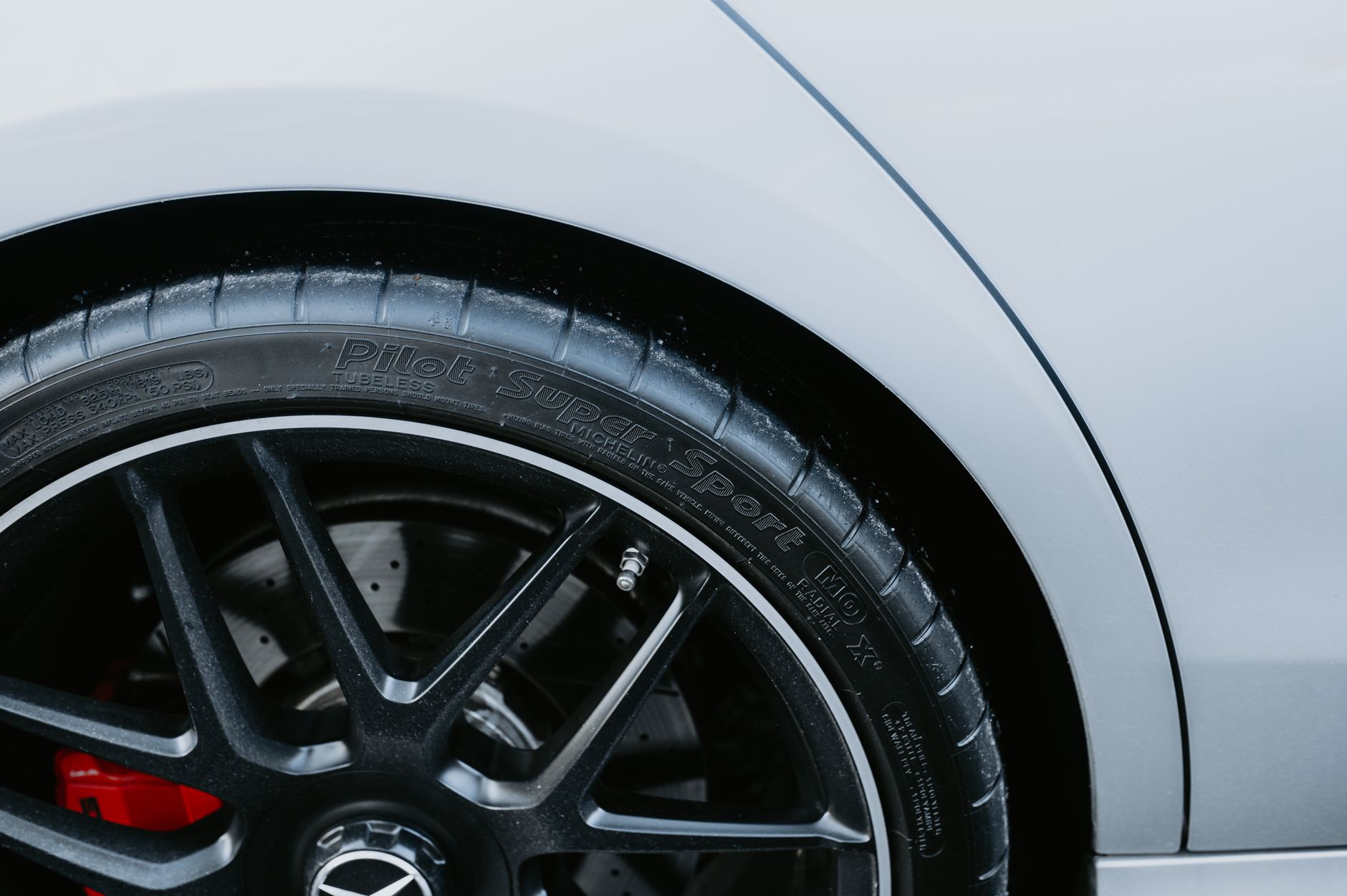
Why the Manufacturer’s PSI Is the One to Trust
Your car maker spent thousands of hours testing to find the pressure that works for your specific weight, suspension, and tire size. That optimized PSI gives you predictable steering, stable braking, and even tread wear.
Going above that number makes the tire firmer, which can reduce traction and cause faster center-tread wear. Going below it creates more rolling resistance, hurts fuel economy, and overheats the tire, risking a blowout.
How Temperature Changes Affect Your PSI
Air inside a tire expands when hot and contracts when cold. For every 10 degrees Fahrenheit (5.5 degrees Celsius) the outside temperature drops, your tire pressure can drop by 1 to 2 PSI. That’s why a cold morning in August of 2026 might show a lower reading than the same tires on a warm afternoon.
If you check pressure after driving even a few miles, the reading will be about 4 to 6 PSI higher than the true cold pressure. Always check tires when they are cold, before you drive or at least three hours after the last trip.
What PSI Should My Tires Be for Different Vehicles
Not all vehicles share the same ideal PSI. A small sedan like a Honda Civic typically runs 30 to 33 PSI. A larger sedan or a crossover often calls for 34 to 38 PSI. Light trucks and SUVs, especially with off-road or all-terrain tires, may need 40 PSI or more in the rear tires when carrying a heavy load.
Check the door sticker or owner’s manual for front and rear recommendations, they can be different. Some vehicles also specify a higher pressure for heavy loads or sustained high-speed driving.
How Load and Towing Change the Right PSI
When you add passengers, cargo, or a trailer, the weight on each tire increases. Higher load requires higher pressure to keep the tire properly shaped and prevent overheating. Many manufacturers provide a second pressure recommendation for fully loaded conditions.
For example, an SUV that normally runs 35 PSI might need 40 PSI in the rear tires when towing a boat. Never exceed the maximum pressure molded on the tire sidewall, that limit is the structural maximum, not an operating target.
Seasonal Tire Pressure Adjustments: Summer vs. Winter
Winter brings colder air, so your tires drop pressure. In summer, heat pushes it up. A change of 30 degrees Fahrenheit can shift your PSI by 3 to 5 points. That means a tire set to 32 PSI on a 70-degree autumn day might read 28 PSI on a 40-degree morning in August.
Adjust for the season by checking pressure regularly during temperature swings. Never release air from a hot tire to reach the cold-recommended number, you will end up underinflated when the tire cools.
How Tire Wear and Age Affect Pressure Decisions
As tires wear down, they lose some structural integrity and may leak air more slowly. Older tires also tend to develop micro-cracks that allow gradual pressure loss. A tire that constantly loses 2 or more PSI per week likely has a puncture or valve leak, not a normal aging issue.
Regular pressure checks (at least once a month) catch these issues before they become dangerous. If you find a tire consistently low, get it inspected rather than just pumping it back up.
How to Check and Adjust Your Tire Pressure
- Find the manufacturer-recommended PSI on the driver’s door jamb sticker or owner’s manual.
- Check pressure when tires are cold (not driven for at least three hours).
- Use a quality tire gauge, digital gauges are usually more accurate than analog stick types.
- Compare each tire’s reading to the recommended number and add or release air as needed.
- Adjust pressure in 1 to 2 PSI increments, then recheck to avoid over- or under-inflation.
- Replace the valve cap tightly after each check to prevent dirt from clogging the valve.
If you suspect a more serious issue like a slow leak or uneven wear, a diagnostic tool like an OBD2 scanner can help you investigate other vehicle systems that might affect tire performance, such as ABS or stability control sensors.
Related Guides
Frequently Asked Questions
Can I use the maximum PSI printed on the tire sidewall?
No. That number is the tire’s maximum safe pressure when carrying its maximum load. Using it for everyday driving will make the ride harsh and reduce traction. Always follow your vehicle manufacturer’s recommendation instead.
What PSI should my tires be if I drive mostly on highways?
Highway driving at sustained speeds generates more heat in the tires. Follow the same recommended cold PSI from your door sticker. Do not lower pressure for extra grip, underinflation at highway speeds increases the risk of a blowout.
Does tire pressure change when it rains?
Rain itself doesn’t change pressure, but the drop in temperature that often comes with a rainstorm can. Cold rain cools the air inside the tire, causing a small pressure drop. Check your tires after the rain passes to see if they need adjustment.
How often should I check my tire pressure?
At least once a month and before any long trip. Climate shifts between seasons can cause significant changes, checking monthly catches those swings before they affect handling. Many drivers check when they fill up for gas.
What PSI should my spare tire be?
Spare tires, especially compact donut spares, need higher pressure, typically 60 PSI. Check the sidewall of the spare or your owner’s manual. A full-size spare uses the same pressure as your regular tires.
The simplest way to remember what PSI your tires should be is to look at the sticker on your driver’s door. That number, checked cold and adjusted for load and season, keeps you safe and saves fuel. For deeper issues like uneven wear or dashboard warning lights, an OBD2 scanner for iPhone can give you a clearer picture of what is happening with your vehicle.