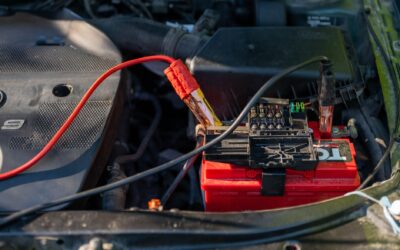
To test a car battery with a multimeter, set the multimeter to DC voltage (20V range), connect the red probe to the positive terminal and the black probe to the negative terminal, and read the voltage. A fully charged battery should read around 12.6 volts when the engine is off. If you see 12.4 volts or lower, your battery is undercharged, and anything below 12.0 volts means it is deeply discharged or failing. This test gives you a quick snapshot of your battery’s state of charge, but for a full health picture, you also need to check the voltage while the engine is cranking and while it is running.

What You Need to Test a Car Battery with a Multimeter
You only need two things: a digital multimeter and a pair of safety gloves. A digital multimeter is inexpensive and widely available at auto parts stores or online. Make sure it can measure DC voltage up to at least 20 volts.
Safety is important because car batteries contain sulfuric acid and can produce hydrogen gas. Always work in a well-ventilated area and avoid creating sparks near the battery terminals. Wear gloves to protect your hands from acid or corrosion.
Step 1: Set Up Your Multimeter
Turn the multimeter dial to the DC voltage setting, usually marked with a V and a straight line or dashes above it. Select the 20V range if your meter has manual range selection. If it is auto-ranging, just choose DC voltage.
Plug the black probe into the COM port and the red probe into the VΩmA port. Double-check that the probes are inserted correctly; reversing them will give a negative reading, which is harmless but confusing.
Step 2: Test the Resting Voltage (Engine Off)
With the engine off and all lights, radio, and accessories turned off, touch the red probe to the positive battery terminal (marked with a +) and the black probe to the negative terminal (marked with a -). Hold the probes steady on the metal posts, not on the plastic casing.
Read the voltage on the multimeter display. A reading of 12.6 volts or higher means your battery is fully charged. At 12.4 volts, it is about 75% charged. Below 12.0 volts indicates a deeply discharged battery that may need charging or replacement.
Step 3: Test the Cranking Voltage (Engine Starting)
This test checks if your battery can deliver enough power to start the engine. Have someone turn the ignition key to start the engine while you watch the multimeter reading. The voltage should not drop below 9.6 volts during cranking.
If the voltage falls below 9.6 volts, your battery is weak and may fail soon. A drop to 7 or 8 volts suggests a dead cell or severe internal damage. If the engine cranks slowly and the voltage drops significantly, the battery likely needs replacement.
Step 4: Test the Charging Voltage (Engine Running)
With the engine running, touch the probes to the battery terminals again. A healthy alternator should produce between 13.7 and 14.7 volts. This confirms the alternator is charging the battery properly.
If you see less than 13.5 volts, the alternator may be undercharging. Above 14.8 volts indicates overcharging, which can damage the battery. In either case, you may need to have the charging system inspected.
Interpreting Your Results
Combine the three voltage readings to assess overall battery health. A resting voltage above 12.6 volts, cranking voltage above 9.6 volts, and charging voltage between 13.7 and 14.7 volts means your battery and charging system are in good shape.
If the resting voltage is low but the charging voltage is normal, the battery may just need a full charge. If cranking voltage is low despite a good resting voltage, the battery has lost its ability to deliver high current and should be replaced.
How to Fix or What to Do Next
- If resting voltage is below 12.4 volts, charge the battery fully with a battery charger and retest.
- If cranking voltage drops below 9.6 volts, replace the battery.
- If charging voltage is outside 13.7-14.7 volts, inspect the alternator belt and connections, or have the alternator tested.
- If the battery terminals are corroded, clean them with a wire brush and retest.
For a more detailed diagnostic, especially if your battery is relatively new but failing, a dedicated battery tester can measure internal resistance and cold cranking amps. If you want a deeper dive into monitoring your battery’s health over time, check out our guide on car battery voltage when off for tips on maintaining optimal voltage.
Frequently Asked Questions
Can I test a car battery with a multimeter if it’s still in the car?
Yes, you can test the battery while it is installed in the car. Just make sure the engine and all electrical loads are off for the resting voltage test. For cranking and charging tests, the battery must be connected to the vehicle’s electrical system.
What should a car battery read on a multimeter when fully charged?
A fully charged 12-volt car battery should read between 12.6 and 12.8 volts when the engine is off. If it reads 12.4 volts, it is about 75% charged. Anything below 12.0 volts means the battery is deeply discharged.
How do I know if my car battery is bad using a multimeter?
If the resting voltage is below 12.0 volts after charging, or if the cranking voltage drops below 9.6 volts, the battery is likely bad. A battery with a dead cell will often show a voltage around 10.5 volts even after charging.
Can a multimeter test a car battery’s cold cranking amps?
A standard multimeter cannot directly measure cold cranking amps (CCA). It can only measure voltage and resistance. To test CCA, you need a dedicated battery load tester or a conductance tester designed for that purpose.
Related Guides
- Best Jump Starter for 6.7 Cummins
- How to Test Alternator With Multimeter
- Car Battery Keeps Dying Overnight
Final Thoughts
Testing a car battery with a multimeter is a straightforward process that gives you clear data on its charge level and ability to start your engine. By following the three voltage tests, you can decide whether to charge, replace, or further investigate your battery’s health. For a more comprehensive understanding of battery maintenance, read our article on car battery voltage when off to learn how to keep your battery in top condition year-round.