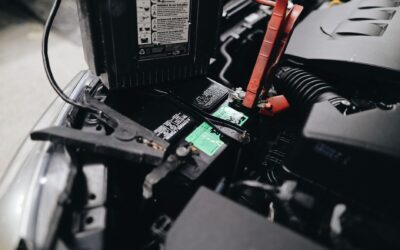
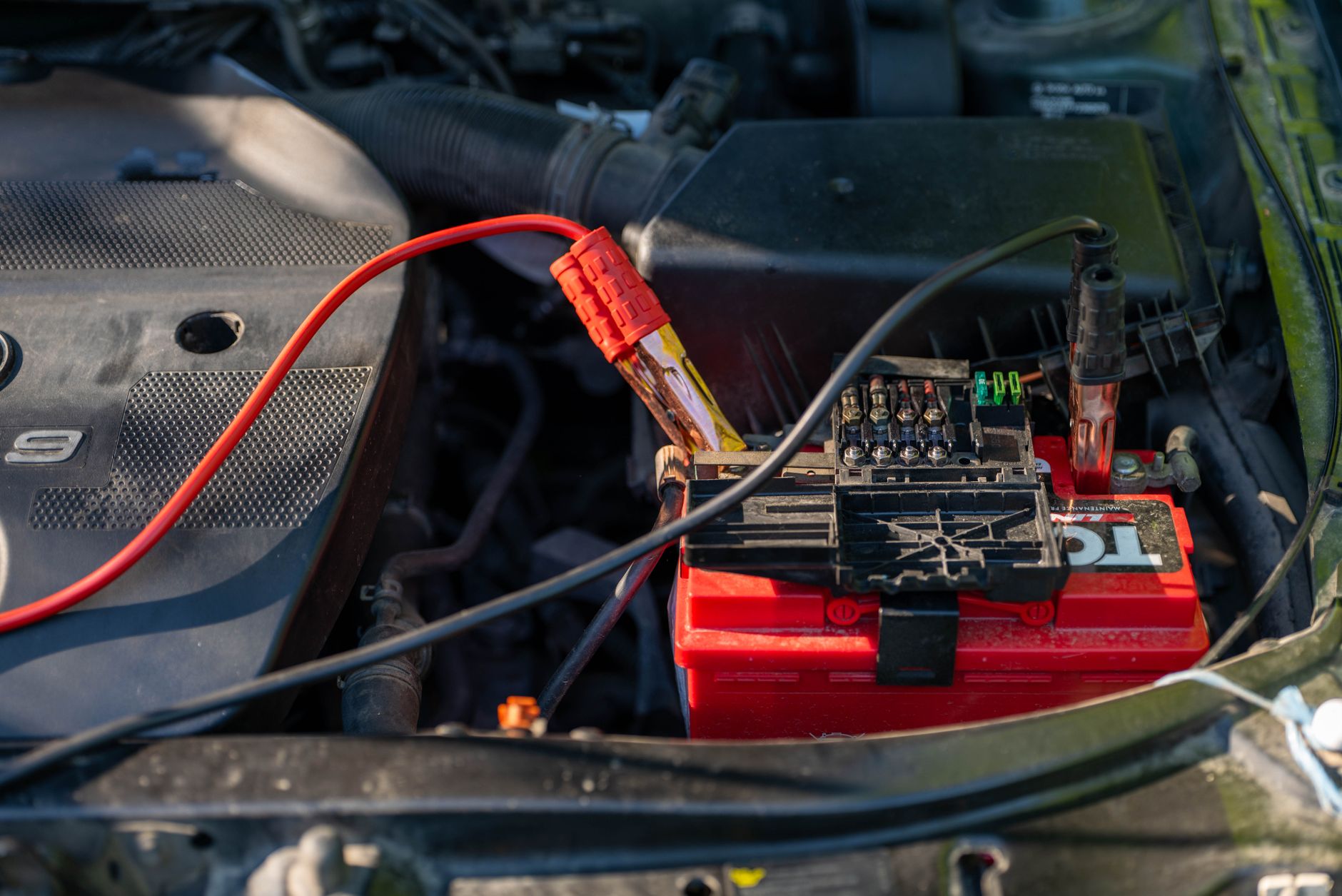
After a jump start, you generally need to drive for at least 30 minutes to allow the alternator to recharge the battery to a usable level. However, the exact time depends on several factors, such as how depleted the battery was, the health of your alternator, and whether you are driving on the highway or in stop-and-go traffic. Driving at steady speeds above 1,500 RPM gives the alternator its best chance to replenish the charge. If you only drive for a few minutes, you risk needing another jump start soon after.
How Depleted Is Your Battery?
The deeper the discharge, the longer it takes to recharge. A battery left dead for days because you left the interior lights on will need more time than one that was only briefly drained. Additionally, a battery with a damaged cell may never fully recover, requiring replacement rather than just a longer drive.
If your battery was completely dead, you may need to drive for an hour or more. Conversely, if it was just slightly low, a 15 to 20 minute drive might suffice. Always monitor how the car starts after the next ignition to gauge success.
Alternator Output and Health
Your alternator is responsible for recharging the battery while the engine runs. If it is failing or producing lower than normal voltage, it will take significantly longer to bring the battery back to a full state. In 2026, most alternators are designed to output between 13.5 and 14.5 volts when working correctly.
If you suspect alternator trouble, testing its output with a multimeter is a quick way to confirm. Weak alternators may keep the car running but not effectively recharge a depleted battery, leaving you stranded again.
Driving Conditions: Highway vs. City
Highway driving at a steady RPM is the most efficient way to charge your battery because the alternator spins faster and more consistently. City driving with frequent stops and idling reduces charging efficiency. If your commute is short and slow, consider taking a longer highway loop after a jump start.
Idling in a parking lot charges the battery even more slowly because the alternator may not be spinning fast enough to produce its full output. It is better to drive than to let the car sit.
Battery Age and Type
Older batteries lose their ability to hold a charge. Even after a full recharge, an aged battery may drain quickly. Typically, car batteries last 3 to 5 years. If yours is near the end of its life, driving longer will only be a temporary fix.
Battery chemistry also matters. Absorbent glass mat (AGM) batteries, common in newer cars, sometimes require a different charging profile. In most cases, a standard drive will work, but deep discharges can shorten their lifespan.
Parasitic Electrical Drains
A parasitic drain is any electrical component that continues to draw power after the car is turned off. This could be a trunk light that stays on, a faulty module, or an aftermarket device. If a drain exists, the battery will lose charge again soon after driving, no matter how long you drove.
Identifying a parasitic drain usually involves testing current draw with a multimeter. If you find one, fixing it is essential to avoid repeated jump starts.
How to Maximize Charging After a Jump Start
- Drive for at least 30 minutes at highway speeds if possible.
- Test the battery voltage before and after driving using a multimeter to ensure it is charging.
- Check for parasitic drains if the battery dies again after a long drive.
- Replace an old or damaged battery if it fails to hold a charge.
- Have the alternator tested if voltage readings stay low while the engine runs.
If your car battery keeps dying repeatedly, it may indicate a deeper issue such as a parasitic drain or a failing alternator. For step-by-step guidance on diagnosing these problems, see our detailed guide on why your car battery keeps dying overnight.
Frequently Asked Questions
How long should I drive after a jump start if I only need to get home?
If your commute is short, aim for at least 20 to 30 minutes of driving. If you live close, consider extending your route to give the alternator enough time to add a meaningful charge. Otherwise, you might need another jump start the next morning.
Can I just let the car idle to charge the battery?
Idling charges the battery much slower than driving because the alternator spins at lower RPM. It can take hours to recover a depleted battery at idle. Driving is always more effective and puts less strain on the charging system.
What if the car dies again right after I stop the engine?
This usually means the battery is not holding its charge. Possible causes include a deeply discharged or sulfated battery, a parasitic drain, or a failing alternator that did not replenish the battery during the drive. Further testing is needed.
Does revving the engine help charge the battery faster?
Slightly. Revving to around 2,000 RPM for a few minutes can boost alternator output, but steady driving at moderate RPM is more sustained and efficient. A short rev won’t replace a proper drive.
How do I know if the battery is fully charged after driving?
With the engine off, a fully charged battery should read about 12.6 volts on a multimeter. If it reads below 12.4 volts, it still needs more charging. While the engine runs, the voltage should be between 13.5 and 14.5 volts, indicating the alternator is working.
Related Guides
- Best Jump Starter for 6.7 Cummins
- Can You Jump Start a Completely Dead Battery?
- How Many Amps To Jump Start a Car
Final Thoughts
The bottom line is that a 30-minute drive at highway speeds is a safe target after a jump start, but your specific situation may vary. If you suspect an alternator issue, learn how to test it yourself with our guide on testing your alternator with a multimeter.