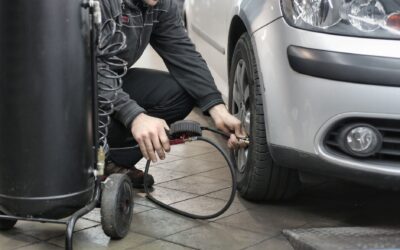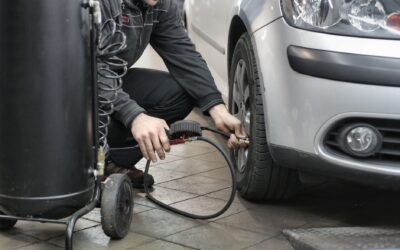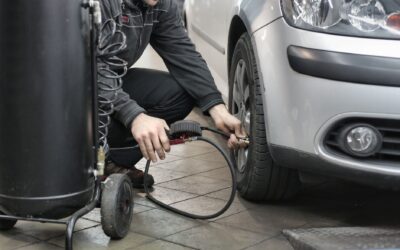
You should check your tire pressure at least once a month, and before any long trip. That’s the baseline recommended by automakers and tire manufacturers because tires naturally lose air even without a leak. A monthly check takes about two minutes with a simple gauge and catches slow leaks before they become uneven wear or a blowout. If you drive in extreme temperatures or carry heavy loads, you may need to check more often.
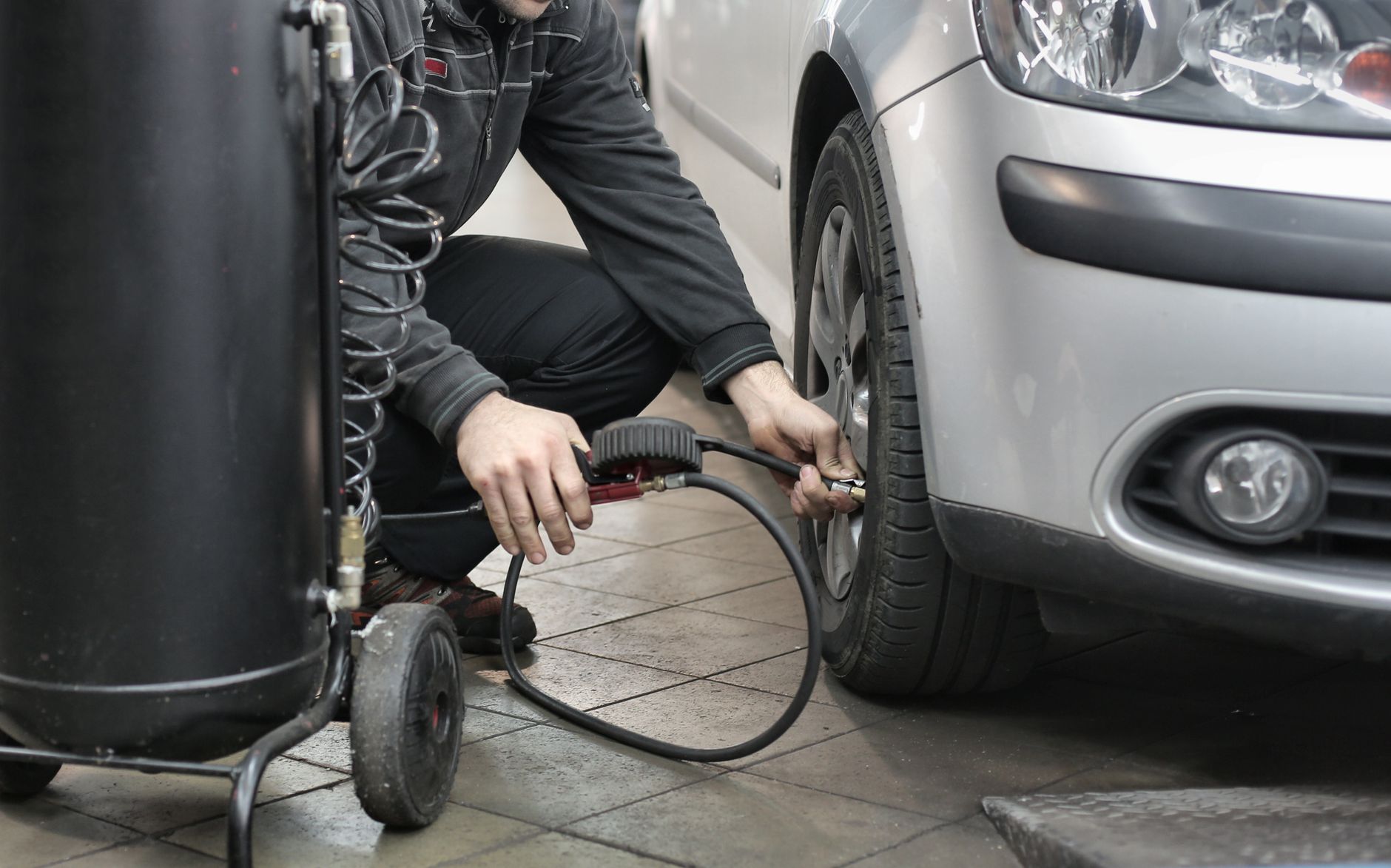
The once-a-month rule is a safe baseline, but it is not a guarantee. How often you should check tire pressure depends on how quickly air escapes, which changes with temperature, driving habits, and the condition of your tires.
Why Tires Lose Air Even Without a Leak
Tires are not completely airtight. Oxygen molecules slowly seep through the rubber over time, and valve stems can leak a little even when they look fine. This natural permeation means you can lose a measurable amount of pressure in a single month without any visible damage.
That is why a monthly check is the standard recommendation, not a suggestion. Catching a slow leak early is far cheaper than replacing a tire that has been running underinflated for weeks.
How Temperature Changes Affect Pressure
Air contracts when it gets cold and expands when it gets hot. A common rule of thumb is about 1 psi of pressure change for every 10 degrees Fahrenheit of outside temperature change. That means a cold snap can leave your tires underinflated even if you checked them last week.
If you live somewhere with big seasonal swings, checking at the start of each season is a smart habit. A quick check before a forecasted temperature drop can prevent a low-pressure warning on your way to work.
When to Check More Often Than Monthly
Some situations call for a check before the month is up. If you are about to drive a long distance, tow a trailer, or carry a full load of passengers and luggage, tire pressure should be checked that same day. The extra weight and sustained speed put more stress on the tires.
You should also check immediately after hitting a deep pothole or curb, after any tire repair, and whenever the tire pressure monitoring system (TPMS) light comes on. Do not wait for the next monthly check in any of these cases.
How to Check Tire Pressure Correctly
To get an accurate reading, check tires when they are cold, meaning the car has been sitting for at least three hours or driven less than a mile. Use the recommended pressure listed on the sticker inside the driver’s door frame, not the number printed on the tire sidewall. The sidewall number is the maximum pressure, not the target.
If you are working through other car maintenance basics, the automotive category has more step-by-step guides.
What Happens If You Skip Too Many Checks
Underinflated tires flex more as they roll, which builds heat and can lead to a blowout at highway speed. They also wear out faster on the edges and drag down your fuel economy. Overinflated tires, on the other hand, wear out the center of the tread and give you a harsh, bouncy ride.
Either way, the fix is the same: check regularly and adjust to the recommended pressure. A few minutes with a gauge is all it takes to keep your tires safe and even-wearing.
What to Do About Tire Pressure: A Simple Checklist
- Check tire pressure at least once a month with a reliable gauge.
- Recheck after a temperature swing of 10 degrees Fahrenheit or more.
- Check before long trips, towing, or heavy loads.
- Check immediately after hitting a curb or pothole, or if the TPMS light comes on.
- Always check when tires are cold and use the pressure on the driver’s door sticker.
If you are also dealing with a car battery that keeps dying overnight, that is another common maintenance issue with a straightforward fix. Our guide covers the usual causes and what to do about them.
Related Guides
- Best Tire Inflator for Truck Tires
- Best Tire Inflator for SUV
- How to Check Tire Pressure
- Best Digital Tire Inflator 2026
- Best Fast Tire Inflator
Frequently Asked Questions
How often should you check tire pressure in winter?
In winter, check at least once a month and ideally every two weeks if temperatures are swinging. Cold air makes pressure drop, so a tire that was fine in October can be noticeably low by December. A quick check before a cold snap is cheap insurance.
Can I check tire pressure when the tires are warm?
You can, but the reading will be higher than the true cold pressure. Driving heats up the air inside the tire, which inflates the reading. For a reliable number, wait until the car has been parked for at least three hours, then check.
Is it safe to drive with the TPMS light on?
No. The TPMS light means at least one tire is significantly underinflated, often by 25 percent or more. Driving on it risks overheating and a blowout. Check all four tires and inflate them to the recommended pressure as soon as you can.
Do I need to check the spare tire pressure too?
Yes, and it is easy to forget. A spare tire can lose pressure just like the others, and you will not notice until you need it. Check it at the same time as your regular tires, and remember that many spares have a higher recommended pressure than the road tires.
The short answer is simple: check your tire pressure once a month and before any long trip. Make that a habit and you will catch most problems before they cost you time, money, or safety.