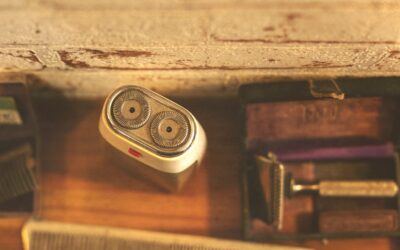
If your electric shaver is not cutting properly, the most likely cause is a dirty or dull blade, a clogged foil, or a low battery. These three issues account for the vast majority of performance drops, and all of them are simple to fix. Before you replace the shaver, take a few minutes to inspect and clean the cutting head, check the charge level, and look for any visible damage. Understanding why your electric shaver is not cutting properly will save you time and money, and it might restore that close shave you remember.
Dirty or Clogged Blades and Foil
The most common reason an electric shaver stops cutting well is that the blades and foil are packed with hair clippings, dead skin, and dried shaving cream. Over time, this debris builds up between the moving blades and the stationary foil, creating friction that prevents the blades from moving freely. When the blades can’t oscillate properly, they simply can’t cut hair effectively.
Cleaning the head is straightforward. Most modern shavers have a removable head that you can rinse under warm running water. Use the included brush to sweep out any stubborn debris from between the blades. If your shaver is not washable, follow the manual’s instructions for disassembly and dry cleaning. A clean shaver should immediately cut better.
Dull or Worn Blades and Foil
Even with regular cleaning, the blades and foil on an electric shaver wear down over time. The cutting edges become rounded, and the foil develops micro-cracks or becomes too flexible to hold hair taut for a clean cut. When the foil is worn, hair can push it down instead of being sheared off, which feels like the shaver is pulling rather than cutting.
Most manufacturers recommend replacing the blade and foil assembly every 12 to 18 months, depending on how often you shave. If you cannot remember the last time you changed them, that is likely the reason your electric shaver is not cutting properly. Replacement parts are usually available from the brand’s website or authorized retailers.
Low Battery or Weak Power Supply
An electric shaver that is running on a low battery often loses motor speed and torque, which directly affects cutting performance. The motor may still spin, but it lacks the power to drive the blades through thicker or coarser hair. This is especially noticeable if you use the shaver cordlessly and the battery is near the end of its charge cycle.
Try charging the shaver fully before your next shave and see if performance returns. If the shaver has a power cord option, plugging it in while shaving can also confirm whether the battery is the issue. A shaver that works fine when plugged in but poorly on battery power likely needs a new battery or is simply telling you it is time to charge.
Improper Shaving Technique
Sometimes the shaver is fine, but the way you are using it is causing poor results. Pressing too hard forces the foil against your skin, which can actually lift the blades away from the cutting surface and reduce efficiency. Shaving against the grain without first going with the grain can also cause the shaver to tug instead of cut cleanly.
Use light, circular motions and let the shaver do the work. If your skin is not stretched taut, the shaver may not be able to grab hairs at the base. For longer hair, trim it first with a beard trimmer attachment or scissors before using the foil shaver. Adjusting your technique can make a noticeable difference.
Damaged or Misaligned Foil or Blades
If you have dropped your shaver or knocked it against a hard surface, the foil may have a small dent or crack that is invisible to the naked eye but large enough to prevent proper cutting. Similarly, the blades inside the head can become misaligned, causing them to rub against the foil unevenly or not make contact at all.
Inspect the foil under good light, looking for any dents, cracks, or warping. If you see damage, replace the foil and blade assembly. A misaligned blade can sometimes be gently repositioned, but if it does not snap back into place easily, replacement is the safer option to avoid skin irritation.
Hair Type or Length
An electric shaver is designed for short, dry stubble. If you are trying to shave hair that is longer than a few millimeters, the shaver will struggle because the foil cannot lift longer hairs into the cutting zone. Thick, coarse, or curly hair can also be more challenging for some shaver models, especially if the blades are not the sharpest.
If you have not shaved in several days, trim the hair down with a beard trimmer or clippers first. For very coarse hair, consider shaving after a warm shower when the hair is softer, but make sure the shaver is designed for wet use if you do. Matching your shaving routine to your hair type will help avoid the feeling that the shaver is not cutting properly.
How to Fix an Electric Shaver That Is Not Cutting Properly
- Clean the blades and foil thoroughly with the included brush or by rinsing under warm water.
- Replace the blade and foil assembly if it is more than 12 months old or shows visible wear.
- Fully charge the battery and try shaving while plugged in to test power output.
- Use light, circular strokes without pressing hard, and stretch your skin taut.
- Inspect the foil for dents or cracks and replace if damaged.
- Trim long hair first with a beard trimmer before using the foil shaver.
If these steps do not restore performance, the shaver itself may have a motor issue or internal failure that is not worth repairing. At that point, it might be time to consider a new model. For shavers, you’ll want to browse our Beauty category for relevant reviews.
Frequently Asked Questions
Can I sharpen electric shaver blades?
It is not recommended to sharpen electric shaver blades yourself. The blades are precision ground and any attempt to hone them with a stone or abrasive can ruin the cutting edge and void the warranty. Replacement is the only reliable way to restore sharpness.
How often should I clean my electric shaver?
You should clean the shaver head after every use to remove hair and debris. A deep clean with a brush or rinse should be done at least once a week. Some shavers have a cleaning station that automates this process, but manual cleaning is still effective.
Why does my electric shaver pull hair instead of cutting it?
Pulling usually means the blades are dull, the foil is worn, or the shaver is not making good contact with the skin. It can also happen if the shaver is not fully charged. Try cleaning and charging first; if pulling persists, replace the blade and foil assembly.
Can a wet shaver cut better than a dry one?
Wet shaving can feel smoother because water or shaving gel softens the hair and reduces friction. However, not all shavers are designed for wet use. Check your shaver’s manual before using it in the shower or with shaving cream, as water damage can void the warranty.
Related Guides
- Electric Shaver Not Charging
- How Often Should You Replace Electric Shaver Blades
- How to Clean an Electric Shaver
- Cyber Monday Epilator Deals 2026
Final Thoughts
An electric shaver that is not cutting properly is almost always fixable with cleaning, a new blade assembly, or a full charge. Before you give up on your shaver, work through the steps above to rule out the simple causes. For more detailed guidance on choosing a shaver that fits your needs, visit our Beauty category where you will find honest reviews of top models.