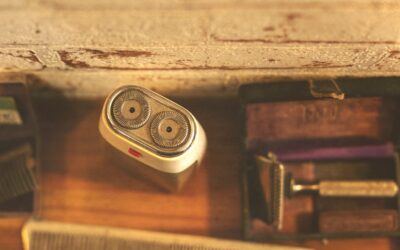
If your electric shaver is not charging, the problem is usually a dirty charging port, a worn-out battery, or a faulty charger. Before you replace the shaver, check these three things first. Most charging issues have a simple fix that takes only a few minutes. Cleaning the contacts or trying a different outlet can often restore power without any tools.
Dirty or Corroded Charging Contacts
The most common reason an electric shaver is not charging is dirt or corrosion on the charging contacts. Shavers are used in bathrooms where moisture, soap residue, and dust accumulate. Over time, this buildup creates a barrier between the charger and the shaver, preventing the electrical connection.
To fix this, clean the metal contacts on both the shaver and the charger with a dry cloth or a cotton swab dipped in rubbing alcohol. Make sure the contacts are completely dry before plugging the shaver in again. This step resolves a surprising number of charging problems.
Faulty Charger or Charging Cable
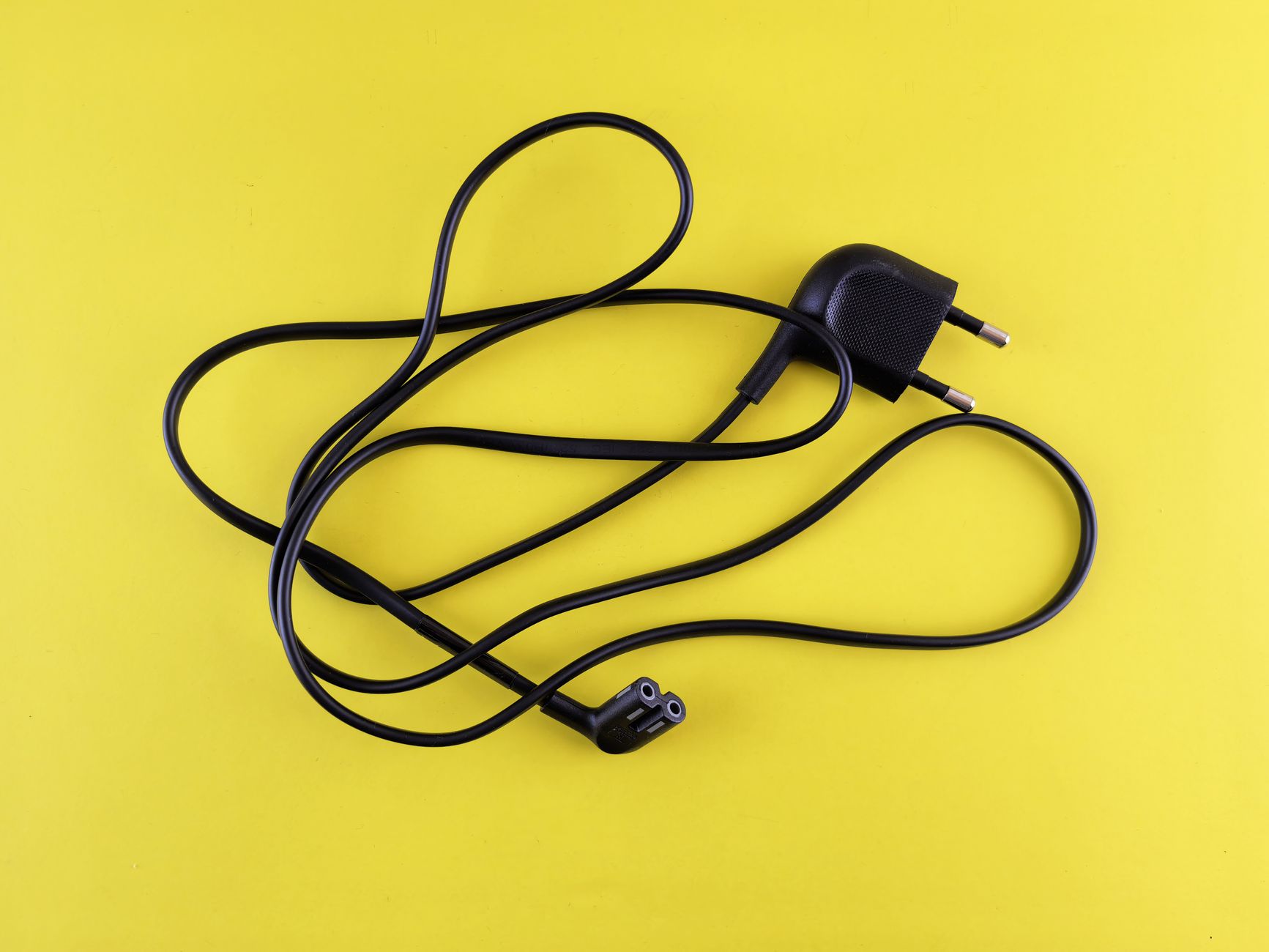
A damaged charger or cable is another frequent cause when an electric shaver is not charging. Cables can fray at the ends, especially near the connector. The charger itself may stop working if it has been dropped or exposed to water.
Try using a different charger that is compatible with your shaver model. If the shaver charges with the second charger, the original one is the problem. Check the cable for any visible damage, such as exposed wires or bent pins.
Worn Out or Dead Battery
Rechargeable batteries in electric shavers have a limited lifespan, usually 2 to 3 years. If your shaver is older and the battery no longer holds a charge, it may need to be replaced. Some shavers have user-replaceable batteries, while others require professional service.
If the shaver runs only when plugged in but stops immediately when unplugged, the battery is likely dead. In many models, the battery is soldered in place, so replacement involves opening the shaver housing. Check your user manual for battery replacement instructions specific to your model.
Loose or Broken Internal Connections
Internal wires or solder joints can become loose from repeated drops or normal wear. This is less common than a dirty contact or dead battery, but it can cause an electric shaver not to charge at all. The shaver may show no signs of life even with a known good charger.
Diagnosing a loose internal connection usually requires opening the shaver. Look for disconnected wires or cracked solder joints on the circuit board. If you are not comfortable with electronics, a repair shop can check this for you.
Shaver in Lock Mode or Safety Feature Activated
Some electric shavers have a travel lock mode that disables the motor and charging to prevent accidental activation. If the shaver is locked, it may appear to be dead or not charging. Check the user manual for how to unlock your specific model, often by holding a button for a few seconds.
Other shavers have a safety feature that stops charging if the internal temperature is too high. Let the shaver cool down for 30 minutes, then try charging again. This is rare but worth checking before assuming a hardware failure.
How to Fix an Electric Shaver That Won’t Charge
- Clean the charging contacts on the shaver and charger with rubbing alcohol.
- Try a different charging cable or charger that fits your shaver.
- Let the shaver cool down if it feels hot to the touch.
- Check for a travel lock mode and unlock it according to your manual.
- Replace the battery if the shaver is over 2 years old and holds no charge.
- Inspect internal connections if you are comfortable opening the shaver.
If none of these steps work, the shaver may have a deeper electrical fault.
Frequently Asked Questions
Can I charge my electric shaver with a phone charger?
No, you should not use a phone charger unless the voltage and connector are specifically compatible. Most shavers require a specific voltage and current. Using the wrong charger can damage the battery or the shaver’s electronics.
How long should an electric shaver battery last?
A typical electric shaver battery lasts between 2 and 3 years with regular use. After that, the battery capacity decreases significantly. Some high-end models have replaceable batteries, while others need to be sent for service.
Why does my shaver only work when plugged in?
This usually means the battery is dead or no longer holds a charge. The shaver can still run on direct power from the charger, but the battery cannot store energy. Replacing the battery is the typical fix.
Can I replace the battery in my electric shaver myself?
It depends on the model. Some shavers have user-accessible batteries that slide out. Others have soldered batteries that require disassembly and soldering. Check your user manual or look for a teardown guide online before attempting.
What does a blinking light on my shaver mean?
A blinking light can indicate low battery, charging in progress, or a fault. Refer to your shaver’s user manual for the specific pattern. Some shavers flash rapidly when the battery is completely dead or when a charging error is detected.
Related Guides
- Electric Shaver Not Cutting Properly?
- How to Clean an Electric Shaver
- Electric Shaver Keeps Turning Off
Closing Thoughts
Most cases of an electric shaver not charging are caused by dirty contacts or a faulty charger, both of which are easy to fix. If your shaver is older and the battery is worn out, replacing the battery may give it a second life.