
To clean an electric shaver, you need to remove the shaving head and foil, brush out all hair clippings, rinse the head under warm water (if it is washable), let it air dry completely, and apply a drop of lubricating oil before reassembling. This basic process keeps the blades sharp, prevents skin irritation from bacteria buildup, and extends the shaver’s life. The exact steps vary slightly depending on whether you own a foil shaver or a rotary model, but the core principle is the same: remove debris, wash, dry, lubricate.
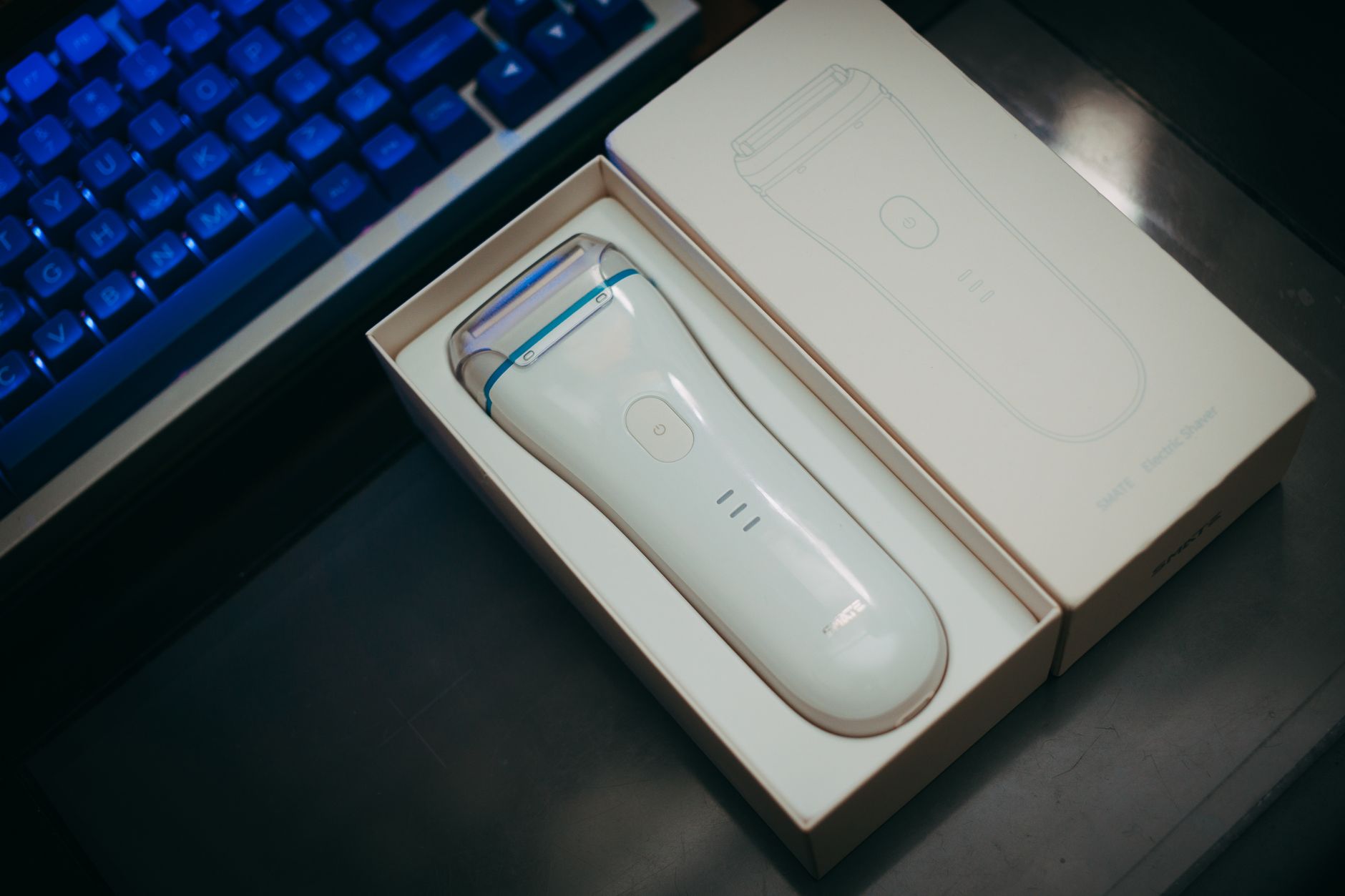
Why Cleaning Your Electric Shaver Matters
An electric shaver that is not cleaned regularly will lose cutting efficiency quickly. Hair clippings, dead skin cells, and natural oils accumulate inside the head, dulling the blades and clogging the foil. Over time, this buildup becomes a breeding ground for bacteria, which can cause razor bumps, folliculitis, or even minor skin infections.
Beyond hygiene, a dirty shaver also puts extra strain on the motor. The motor has to work harder to cut through a clogged head, which drains the battery faster and can lead to premature failure. Cleaning your shaver after every use is the single most effective habit you can adopt to protect your investment.
Daily Cleaning: The Quick Brush Out
The most important part of cleaning an electric shaver is the daily brush out. As soon as you finish shaving, pop off the shaving head and use the small cleaning brush that came with your shaver to sweep away all loose hair from the blades, foil, and the interior cavity. This takes about 30 seconds and prevents hair from being pressed deeper into the mechanism.
Do not skip this step even if your shaver is waterproof and you plan to rinse it later. Brushing removes the bulk of debris before any moisture gets involved, which keeps the rinsing step more effective.
Weekly Deep Cleaning: Rinse and Soak
Once a week, give your shaver a deeper clean. If your model is labeled as washable, you can hold the shaving head under warm running water for 10 to 15 seconds. Some manufacturers recommend adding a drop of mild liquid soap to the head and running the shaver for a few seconds to help loosen stubborn residue.
After rinsing, shake off the excess water and leave the head detached to air dry completely. Do not put the shaver back together while it is still wet, as trapped moisture can cause corrosion and rust on the blades. A full drying period of several hours is ideal.
Lubricating the Blades
Lubrication is an often overlooked but essential part of how to clean an electric shaver. After the shaver is dry, apply a single drop of lightweight sewing machine oil or the manufacturer’s recommended lubricant to the blades and foil. Run the shaver for five seconds to distribute the oil evenly.
This step reduces friction between the blades and the foil, which keeps the cutting edges sharp longer and prevents overheating. It also creates a protective layer that repels moisture and slows corrosion. Do not use cooking oil or heavy grease, as those will gum up the mechanism.
Replacing the Foil and Blades
Even with perfect cleaning, the foil and blades will eventually wear out. Most manufacturers recommend replacing the cutting assembly every 12 to 18 months, depending on how often you shave. Signs that replacement is due include a noticeable drop in cutting efficiency, the shaver pulling rather than cutting hairs cleanly, or visible wear on the foil like small holes or a dulled surface.
Cleaning cannot restore a worn foil or dull blades, but it can delay the need for replacement significantly. A shaver that is cleaned and oiled regularly will often last well past the typical replacement window.
How to Fix Common Cleaning Mistakes
If your shaver is not performing as well as it used to, the issue is often a simple cleaning error rather than a mechanical failure. Here are the most common mistakes and how to fix them.
- If the shaver feels sluggish or the blades are not cutting evenly, you may have skipped the daily brush out. Remove the head, brush thoroughly, and check for hair packed around the blades.
- If the shaver smells bad or causes skin irritation, bacteria has built up. Soak the head in warm, soapy water for a few minutes, rinse, and dry completely before using again.
- If the shaver is loud or vibrating excessively, the blades may be dry. Apply a drop of oil and run the shaver for a few seconds to see if the noise subsides.
- If the shaver is not charging or the battery life has dropped, a clogged head can cause the motor to draw more power. Clean the head thoroughly and check if performance improves before assuming the battery is dead.
These fixes cover the vast majority of performance complaints about electric shavers.
Frequently Asked Questions
Can I clean my electric shaver with alcohol?
You can use isopropyl alcohol to disinfect the shaving head, but do not soak the entire shaver in alcohol. Alcohol can dry out rubber seals and plastic parts over time. A quick wipe with a cotton ball dipped in alcohol is safe for the blades and foil.
How often should I replace the cleaning brush?
The small brush included with your shaver should last for years if you clean it occasionally. Rinse the brush under warm water and let it dry after every few uses to prevent it from becoming a source of bacteria itself.
Is it safe to clean an electric shaver in the dishwasher?
No. Dishwashers use high heat and strong detergents that will damage the plastic housing, seals, and electrical components of any electric shaver. Only clean the removable head parts by hand with warm water and mild soap.
What should I do if my shaver gets wet and is not waterproof?
If a non waterproof shaver gets wet, immediately remove the head and battery if possible. Let all parts air dry for at least 48 hours before reassembling. Do not use a hair dryer or place it on a heater, as heat can warp plastic parts.
Related Guides
- Electric Shaver Not Charging
- Electric Shaver Keeps Turning Off
- How Often Should You Replace Electric Shaver Blades
Final Thoughts
Cleaning an electric shaver is a simple habit that delivers outsized benefits for performance, hygiene, and longevity. By brushing after every use, rinsing weekly, lubricating regularly, and replacing worn parts on schedule, you can keep your shaver working like new for years.