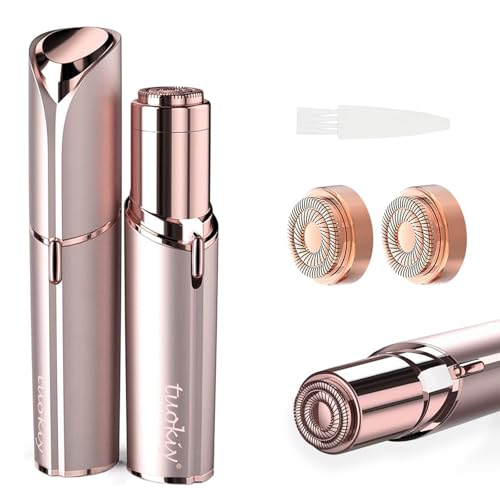
If your electric shaver is pulling hair instead of cutting it cleanly, the most likely cause is a dull blade, a clogged cutter, or improper technique. An electric shaver pulls hair when the blade is too blunt to sever the hair cleanly, when the cutting head is packed with debris that prevents proper alignment, or when you press too hard or move against the grain without adequate preparation. Understanding which factor is at play in your specific shaver is the first step to a pain-free shave.

Dull or Worn Blades
The cutting blades inside your shaver’s head are precision-ground metal surfaces that wear down over time. After several months of regular use, the edge becomes rounded rather than sharp, and instead of slicing hair it pinches and tears it. This is the most common reason an electric shaver starts pulling hair, and it often happens gradually so you may not notice until the pulling becomes painful.
Most manufacturers recommend replacing the blade assembly every 12 to 18 months, but heavy use or coarse hair can shorten that window. If your shaver is more than a year old and has started pulling, dull blades are the most likely culprit. Check your shaver’s manual for the specific replacement part number.
Clogged or Dirty Cutting Heads
Even sharp blades will pull hair if the cutting head is clogged with dried skin cells, oil residue, and hair fragments. These particles build up between the foil and the cutter, preventing the blades from making full contact with the hair. The result is that some hairs are caught and pulled rather than cut.
This is especially common if you use shaving cream or gel with a dry shaver, or if you skip regular cleaning. Many modern shavers have a cleaning station, but if you rinse the head under running water without removing the cutter, debris can remain trapped. A thorough cleaning with a small brush and a drop of alcohol can restore performance immediately.
Pressing Too Hard
Electric shavers are designed to glide lightly over the skin. When you press the shaver firmly against your face, you flatten the skin and push hair follicles down, making it harder for the blade to catch the hair at the correct angle. The blade then grabs the hair near the root and pulls it rather than cutting it at the surface.
This is a common habit among people who switch from a manual razor, where pressure is normal. With an electric shaver, light pressure and a slow, circular motion produce the best results. If you notice pulling when you bear down, try relaxing your grip and letting the shaver do the work.
Shaving Against the Grain Too Early
Hair growth direction varies across your face and neck. If you start shaving against the grain (in the opposite direction of growth) before the hair is short enough, the blade can grab the hair at an awkward angle and pull it. This is especially true for longer stubble or if you haven’t shaved in a couple of days.
The correct technique is to first shave with the grain to reduce hair length, then go across the grain for a closer shave, and only against the grain if your skin tolerates it. Skipping that first pass is a direct cause of pulling. Using a pre-shave powder or lotion that dries the skin and lifts hair can also help the blade cut cleanly.
Wet vs. Dry Shaving Mismatch
Not all electric shavers are designed for wet shaving. If you use a dry-only shaver with water or shaving cream, the moisture can cause the blade to rust or the foil to warp, leading to uneven cutting and pulling. Conversely, using a wet/dry shaver without any lubrication when the skin is dry can cause friction that makes the blade snag.
Check your shaver’s specifications. If it is labeled as wet/dry, it is safe to use with gel or foam, but you still need to clean and dry it thoroughly afterward. If it is dry-only, use it on clean, dry skin and never rinse the head under running water. Using the wrong method for your shaver type will cause pulling and reduce the device’s lifespan.
Old or Damaged Foil
The foil is the thin, perforated metal screen that sits between the blade and your skin. Over time, the foil can develop tiny dents, cracks, or wear spots. When the foil is damaged, the blade can catch on the irregular surface and pull hair that gets trapped in the damaged area. This often produces a sharp, localized pulling sensation in one spot.
Inspect the foil under bright light. If you see any visible dents, tears, or discoloration, it needs to be replaced. A damaged foil can also cut or irritate the skin, so do not ignore this cause. Replacing the foil along with the blades every 12 to 18 months is standard maintenance.
How to Fix an Electric Shaver That Pulls Hair
- Replace the blade assembly if it is more than 12 months old or shows visible wear.
- Clean the cutting head thoroughly with the included brush and a drop of rubbing alcohol to remove all debris.
- Use light, circular pressure instead of pressing the shaver into your skin.
- Shave with the grain first, then across, and only against the grain if needed.
- Use the correct shaving method for your shaver type: wet shave only if it is wet/dry rated.
- Inspect the foil for damage and replace it if you see dents or cracks.
If these steps do not resolve the pulling, the shaver may have a mechanical issue such as a worn motor or misaligned cutter. More relevantly, for a comprehensive overview of shaving tools that minimize pulling, check out our Beauty category page for related articles.
Frequently Asked Questions
Can a dull blade actually pull hair instead of cutting it?
Yes. A dull blade pinches the hair rather than slicing it cleanly, which causes the hair to be yanked from the follicle. This is the most common reason for pulling and is easily fixed by replacing the blade assembly.
Does shaving dry cause more pulling than shaving wet?
It depends on your shaver type and skin. Dry shaving on a dry-only shaver is fine, but dry shaving on a wet/dry shaver without any pre-shave product can cause friction that leads to pulling. For most people, a light pre-shave powder or lotion reduces pulling regardless of shaver type.
How often should I clean my electric shaver to prevent pulling?
Clean the cutting head after every use with the brush provided. A deeper clean with a drop of alcohol once a week helps remove oil and skin cell buildup that can cause pulling. Neglecting cleaning for several days is enough to cause clogging.
Is it normal for a new electric shaver to pull hair at first?
No, a new shaver should cut smoothly. If it pulls from the first use, the blade may be misaligned or the foil may be damaged. Check the packaging for a defect and consider returning it. Some users also need a break-in period of a few shaves to adjust technique.
Can pressing harder actually make pulling worse?
Yes, pressing harder flattens the skin and pushes hair down, making it harder for the blade to catch the hair at the right angle. This often results in the blade grabbing and pulling the hair rather than cutting it. Light pressure is always better.
Related Guides
- How Often Should You Replace Electric Shaver Blades
- Electric Shaver Not Charging
- Electric Shaver Not Cutting Properly?
Final Thoughts
An electric shaver that pulls hair is almost always fixable by addressing one of the causes above: dull blades, a dirty head, too much pressure, wrong technique, or a damaged foil. Start with the simplest fix first, cleaning and replacing blades, and you will likely solve the problem. For more grooming tips and product insights, browse our Beauty category for related articles.