The short answer is yes, you can often drive with the check engine light on, but it depends entirely on why the light came on. If the light is steady and the car feels normal, it may be a minor issue like a loose gas cap. However, if the light is flashing or you notice performance problems, you should stop driving and address the issue immediately. The key is to understand the severity of the problem indicated by the check engine light.
What Does the Check Engine Light Mean?
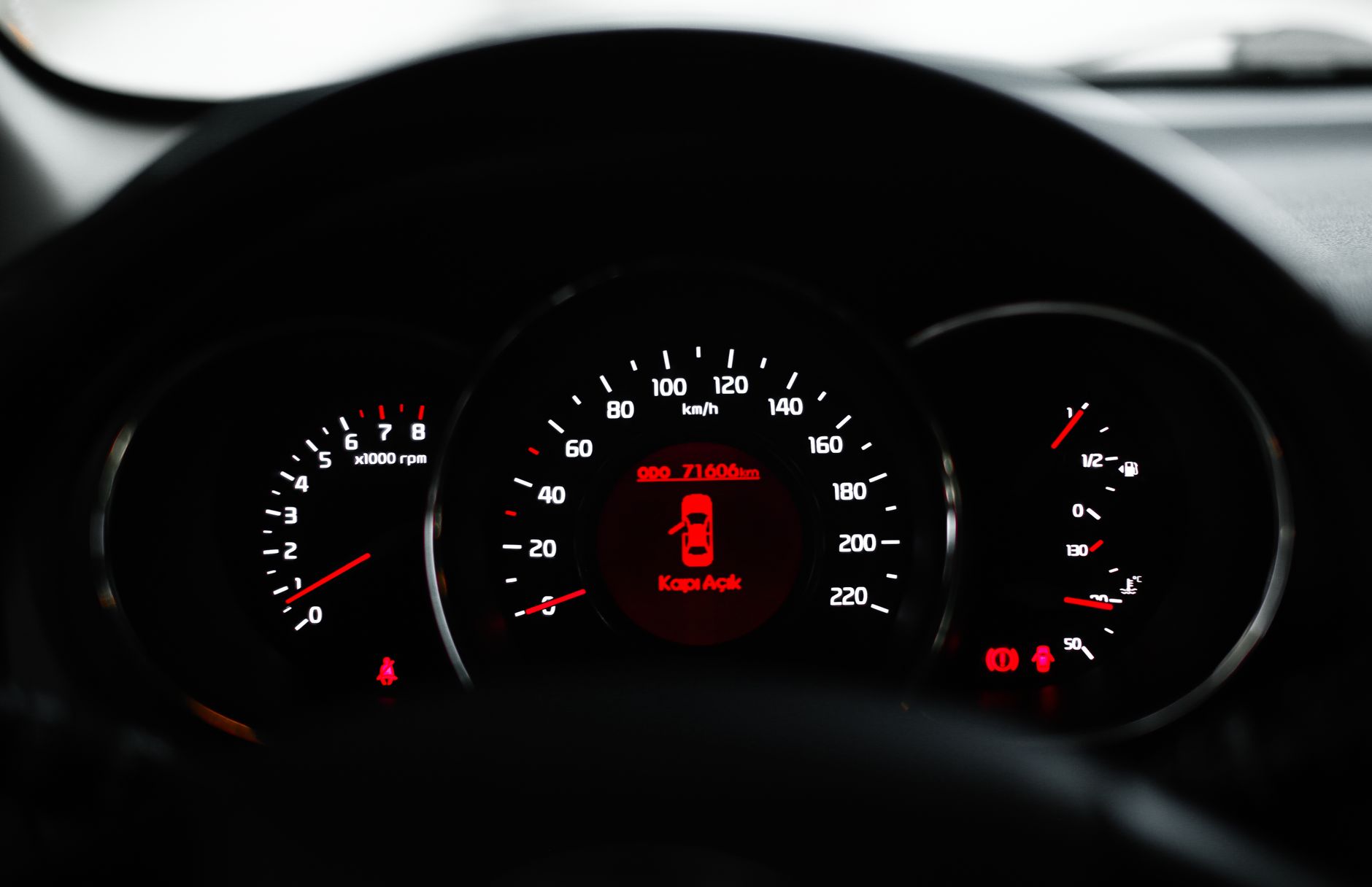
The check engine light is part of your car's onboard diagnostic system. A steady light usually indicates a less urgent problem, such as a faulty oxygen sensor or a loose gas cap. A flashing light signals a more serious issue, often a misfire that can damage the catalytic converter. If you see a flashing light, you should reduce speed and have the vehicle towed to a mechanic.
Common Causes That Are Safe to Drive With
Many check engine light triggers are non-critical. A loose or missing gas cap is the most common and easiest fix. If that's the cause, you can drive normally until you tighten or replace the cap. Other examples include a faulty mass airflow sensor or a worn oxygen sensor. These issues may affect fuel economy but won't leave you stranded.
When You Should Not Drive With the Check Engine Light On
A flashing check engine light means the problem is serious and could cause immediate damage. Common causes include a severe engine misfire, overheating, or low oil pressure. If the car is shaking, making strange noises, or losing power, pull over and call for help. Driving in this condition can turn a minor repair into a major engine replacement.
How Far Can You Drive With the Check Engine Light On?
There is no set mileage limit, but a good rule of thumb is to get the vehicle inspected within 100 miles if the light is steady. If the light is flashing, you should not drive at all beyond the nearest safe parking spot. The distance depends on the root cause, so the safest approach is to use an OBD2 scanner to read the code and decide.
Should You Ignore the Check Engine Light?
Ignoring a check engine light rarely ends well. Even if the car seems fine, the underlying issue can worsen over time. For example, a faulty oxygen sensor might not cause immediate symptoms, but it can damage the catalytic converter and reduce fuel economy. Regularly driving with the light on could lead to expensive repairs down the road.
What to Do When the Check Engine Light Comes On
- Check the gas cap: Tighten it until you hear a click, then drive a few miles to see if the light turns off.
- Look for other warning lights: If the temperature or oil pressure light is also on, stop immediately.
- Use an OBD2 scanner to read the diagnostic trouble code (DTC) from your car's computer. This pinpoints the issue.
- Assess the symptoms: If the car runs poorly or the light is flashing, do not continue driving.
- Visit a mechanic or auto parts store for a free code scan if you don't have a scanner.
If you want to diagnose the problem yourself, a Bluetooth OBD2 scanner is an affordable tool that connects to your phone. Our guide to the best bluetooth OBD2 scanners for android can help you choose one that fits your needs. Reading the code is often the fastest way to know if it's safe to continue driving.
Related Guides
- Best OBD2 Scanner That Can Reset ABS Light
- Best OBD2 Scanner with Live Data
- Best OBD2 Scanners with ECU Coding
Frequently Asked Questions
Can I drive with a flashing check engine light?
No, a flashing light indicates a serious problem like a misfire that can damage the catalytic converter. You should stop driving immediately and have the vehicle towed.
Will driving with the check engine light on damage my engine?
It depends on the cause. A steady light from a minor sensor issue is unlikely to cause immediate damage, but ignoring it can lead to more expensive repairs. A flashing light can cause rapid damage.
Can the check engine light turn off by itself?
Yes, if the issue is intermittent or resolves, the light may turn off after a few drive cycles. However, the trouble code is still stored, and it's wise to investigate the cause.
Should I add oil if the check engine light is on?
The check engine light is not a low oil indicator. If your oil pressure light is on, add oil immediately. But if only the check engine light is on, check the oil level separately.
How do I read check engine light codes without a scanner?
Some cars allow you to read codes by turning the ignition key on and off in a sequence (check service manual). Alternatively, auto parts stores often provide free code reading.
In short, you can sometimes safely drive with a steady check engine light, but a flashing light means stop driving. The best way to know for sure is to read the diagnostic code. If you're ready to diagnose your car yourself, our guide to the best OBD2 scanners with lifetime updates can point you to a reliable tool for future use.