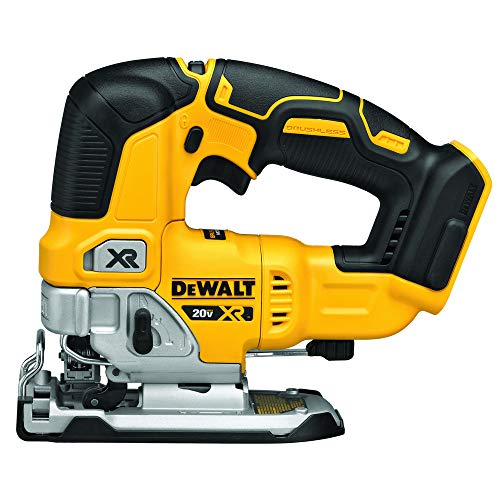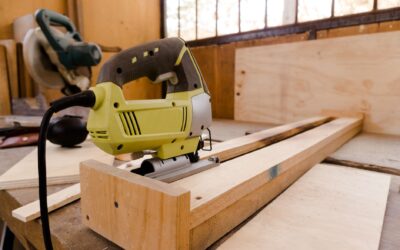
You are planning a weekend project, maybe cutting curves in plywood for a new shelf or trimming a countertop. You need a jigsaw, but you do not want to spend a fortune. The market is full of options, and finding a capable model that fits your budget can feel overwhelming. This guide is for DIYers and hobbyists who want a reliable jigsaw without breaking the bank. We focus on what matters: power, ease of use, and durability. If you are also exploring other cutting tools, check out our best reciprocating saw guide for heavy-duty tasks.


Buying Guide
Motor Power and Speed Control
A jigsaw’s motor determines how smoothly it cuts through different materials. Look for a model with at least 5 amps of power for corded versions, or a reliable battery platform for cordless. Variable speed control is essential. It lets you adjust the blade speed for wood, metal, or plastic. A trigger or dial that offers a wide range gives you precision. For more on cordless options, see our best cordless jigsaw review.
Blade Change System
Frequent blade changes are part of jigsaw work. A tool-less blade change system saves time and frustration. Many budget models now include a lever or chuck that releases the blade without requiring a wrench. This feature is especially valuable when switching between materials during a project. Confirm that the jigsaw accepts standard T-shank blades for easy replacements.
Orbital Action and Bevel Capability
Orbital action moves the blade forward during the upstroke, increasing cutting speed in softer materials. Most jigsaws offer multiple orbital settings, including zero for straight cuts. This flexibility helps you adapt to different tasks. Also, check if the shoe plate tilts for bevel cuts. A bevel capacity of 45 degrees is common and useful for angled edges. These features are often found in mid-range tools, but some budget models include them too.
Ergonomics and Dust Management
Comfort matters during extended use. A rubberized grip and balanced weight reduce fatigue. Also, consider dust blowers or vacuum adapters that keep the cut line clear. A built-in blower directs sawdust away, improving visibility. Some models include a dust port for connecting a shop vac. These small details make a big difference in user experience. For more tool recommendations, visit our Tools category.
Final Thoughts
Choosing a jigsaw on a budget does not mean sacrificing quality. Focus on motor power, blade change convenience, and orbital action to get a tool that handles a variety of projects. For most DIYers, a corded model with variable speed and tool-less blade change offers the best value. If you prefer cordless freedom, look for a model from a reputable battery platform. Whichever you pick, a well-chosen jigsaw will serve you for years. For a deeper look at jigsaw options, see our best jigsaw guide.
Related Guides
Frequently Asked Questions
What is the best jigsaw for cutting curves in wood? A jigsaw with orbital action and a fine-tooth blade works well for curves. Variable speed helps you control the cut. Look for a model with a stable shoe plate and good visibility.
Can a budget jigsaw cut metal? Yes, but you need a metal-cutting blade and a slower speed setting. Many budget jigsaws offer variable speed, so they can handle thin metal sheets. Always use proper safety gear.
How important is a dust blower on a jigsaw? A dust blower is very useful for keeping the cut line visible. It reduces the need to stop and clear sawdust. Many budget models include a blower, but check before buying.
Should I buy a corded or cordless jigsaw in 2026? Corded jigsaws offer unlimited run time and consistent power, ideal for heavy use. Cordless models provide portability. Choose based on your typical projects. If you already have a battery system, a cordless jigsaw can be a convenient addition.