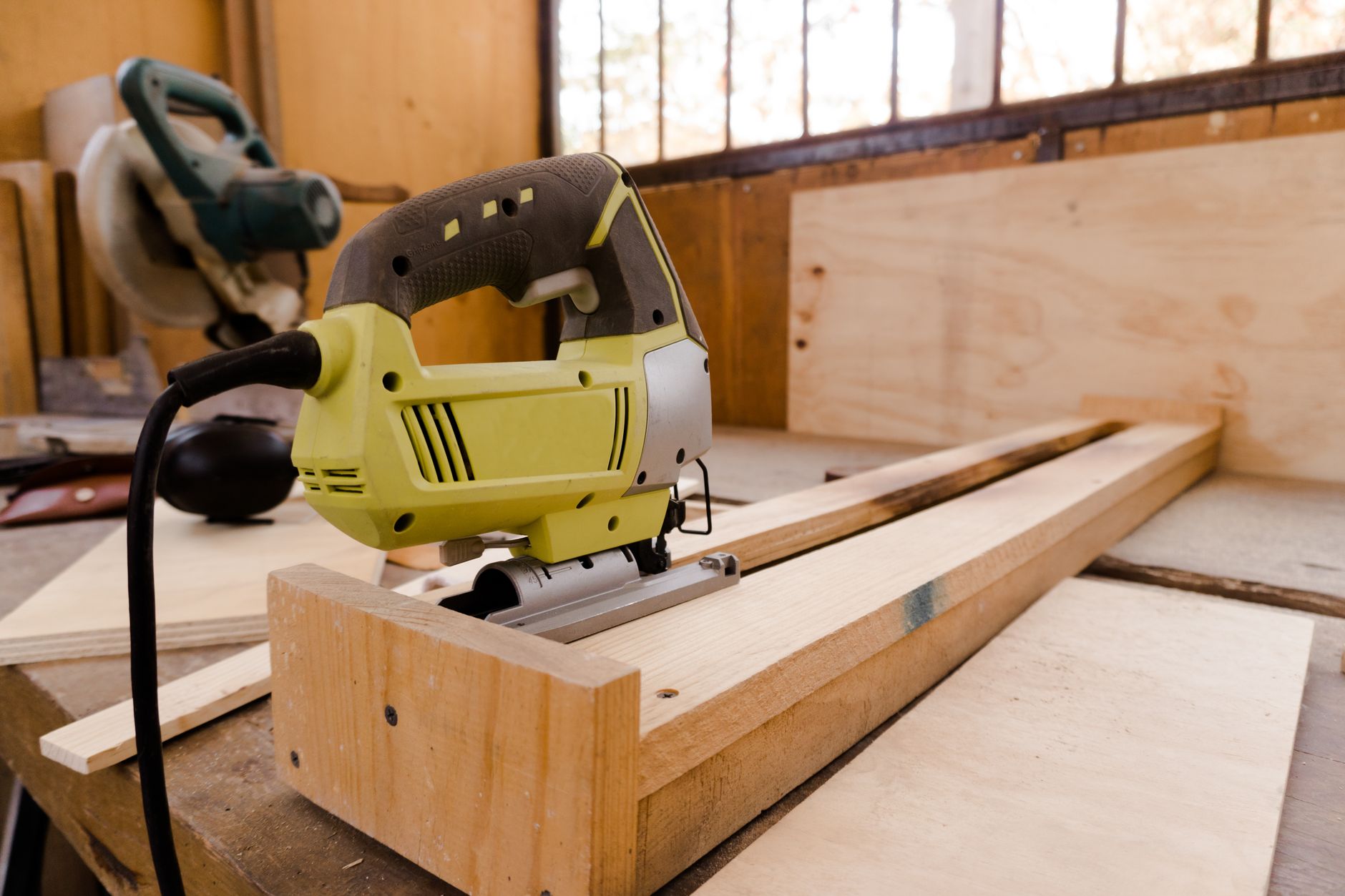
If your jigsaw blade keeps coming out, the most likely cause is a loose or worn blade clamp or a blade that is the wrong shank type for your saw. The blade clamp mechanism, whether a tool-less lever or a hex-key screw, must be fully tightened and free of debris to hold the blade securely. Using a blade with an incompatible shank (T-shank vs. U-shank) can also prevent proper locking. Addressing these two areas will resolve the issue in the majority of cases.
Loose or Worn Blade Clamp Mechanism
The blade clamp is the most common culprit when a jigsaw blade keeps coming out. Over time, the clamping surfaces can wear down or become coated with sawdust and resin, reducing their grip on the blade shank. If you have a tool-less blade change system, the lever may not be fully engaging or may have become loose from repeated use.
Inspect the clamp area closely. Clean it with a brush and a solvent like rubbing alcohol to remove any buildup. If the clamp feels loose even when tightened, the internal spring or locking mechanism may be worn and require replacement. Consult your jigsaw’s manual for specific maintenance instructions.
Incorrect Blade Shank Type
Jigsaw blades come in two main shank types: T-shank (tang) and U-shank (universal). Most modern jigsaws use T-shank blades, which have a small tang on top that locks into the clamp. If you insert a U-shank blade into a T-shank clamp, it will not lock securely and will slide out during use.
Check your jigsaw’s manual to confirm which shank type it accepts. Using the correct blade type is essential for a secure fit. If you are unsure, look at the clamp opening: a T-shank clamp has a slot for the tang, while a U-shank clamp has a simple U-shaped groove.
Worn or Damaged Blade Shank
Even if you use the correct shank type, the blade itself can become damaged. The tang on a T-shank blade can wear down or break off after extended use, especially when cutting hard materials. A U-shank blade’s notch can also become deformed, preventing it from locking into the clamp.
Inspect the blade shank for any signs of wear, bending, or deformation. If the shank looks damaged, replace the blade with a new one. Using a worn blade not only causes it to come out but also reduces cutting efficiency and accuracy.
Improper Blade Installation
Sometimes the issue is simply that the blade was not installed correctly. With tool-less clamps, you must push the blade fully into the clamp until it clicks into place. With screw-type clamps, the screw must be tightened firmly, but not over-tightened to the point of stripping.
Always double-check that the blade is inserted all the way and that the locking mechanism is engaged. A blade that is only partially inserted will work loose after a few cuts. This is a quick fix that many users overlook.
Excessive Side Pressure or Cutting Technique
Applying too much side pressure to the jigsaw during a cut can cause the blade to twist and come out of the clamp. Jigsaw blades are designed to cut in a straight line, and forcing them sideways puts stress on the locking mechanism. This is especially common when cutting curves or tight circles.
Let the saw do the work. Use a steady, moderate feed rate and avoid pushing the saw sideways. If you need to cut a curve, use a narrower blade designed for scrolling. Proper technique will reduce strain on the blade and clamp.
Debris or Sawdust Buildup in the Clamp
Sawdust, resin, and other debris can accumulate inside the blade clamp over time. This buildup prevents the clamp from closing fully around the blade shank, resulting in a loose fit. The problem is more common when cutting wood with high sap content or when using the saw for prolonged periods without cleaning.
Regularly clean the clamp area with compressed air or a small brush. For stubborn resin, use a solvent like mineral spirits. Keeping the clamp clean is a simple maintenance step that prevents many issues.
How to Fix a Jigsaw Blade That Keeps Coming Out
- Check and clean the blade clamp mechanism, removing any debris or resin buildup.
- Verify that you are using the correct blade shank type (T-shank or U-shank) for your jigsaw.
- Inspect the blade shank for wear or damage and replace if necessary.
- Reinstall the blade, ensuring it is fully inserted and the clamp is securely locked.
- Adjust your cutting technique to avoid excessive side pressure on the blade.
If you have gone through these steps and the blade still comes out, the clamp mechanism itself may be worn and need replacement.
Frequently Asked Questions
Why does my jigsaw blade keep falling out when I cut curves?
Cutting curves naturally applies side pressure to the blade, which can work it loose if the clamp is not tight or if the blade shank is worn. Use a scrolling blade designed for curves and ensure the clamp is clean and fully engaged.
Can I use a U-shank blade in a T-shank jigsaw?
No, U-shank blades are not compatible with T-shank clamps. The tang on a T-shank blade is required for the locking mechanism to hold it. Using a U-shank blade will result in it coming out during use.
How do I know if my jigsaw blade clamp is worn out?
If the clamp feels loose even when tightened, or if the blade moves side-to-side after locking, the clamp is likely worn. Also, if cleaning does not improve the grip, the internal spring or locking teeth may be damaged.
Should I lubricate the jigsaw blade clamp?
Generally, no. Lubrication can attract sawdust and cause buildup. Keep the clamp dry and clean. If the mechanism feels stiff, use a dry lubricant like graphite powder sparingly.
What should I do if the blade comes out while cutting?
Stop the saw immediately and unplug it. Inspect the blade and clamp for damage. Reinstall the blade securely, ensuring it clicks into place. If it happens repeatedly, check for worn components and replace as needed.
Related Guides
- Circular Saw Blade Spinning Backwards
- Why Does My Jigsaw Cut At An Angle?
- Why Does My Miter Saw Not Cut Straight
- Best Jigsaw Under $100
Closing Thoughts
A jigsaw blade that keeps coming out is usually traced back to a loose clamp, wrong blade type, or worn parts. By checking these areas and maintaining your tool, you can cut safely and efficiently.