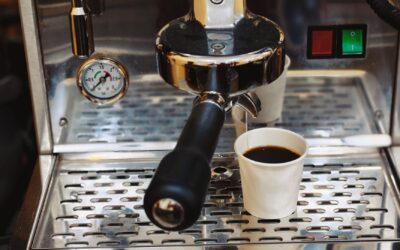
Your espresso is coming out too fast because the water is flowing through the coffee puck with too little resistance, causing the shot to pull in under 20 seconds instead of the ideal 25-30 seconds. This usually means the grind is too coarse, the dose is too low, or the coffee is stale. Water always takes the path of least resistance, so if your puck is loose, uneven, or channeled, the water rushes right through without properly extracting the flavors. The result is a thin, sour, or weak shot that lacks the rich crema and balanced taste you expect from a well-pulled espresso.
Grind Size Too Coarse
The most common reason your espresso is coming out too fast is that your grind size is too coarse. When coffee particles are large, water flows between them easily, reducing resistance and speeding up the shot. A proper espresso grind should feel like fine table salt or powdered sugar, not like sand or coarse salt.
If you are using a blade grinder, it struggles to produce a consistent fine grind. Burr grinders give you much better control. Adjust your grinder one step finer and pull another test shot. Small changes can make a big difference, so keep notes on what works.
Dose Too Low
If your dose is too low, the water has less coffee to push through, so it flows faster. Most espresso baskets are designed for a specific dose range, typically 14-18 grams for a double shot. Underdosing by even a gram can noticeably speed up your extraction.
Weigh your coffee before tamping to confirm you are using the correct dose for your basket. If you don’t have a scale, use the basket’s ridge as a guide: the coffee should be level with the top of the basket after tamping, with no gap between the puck and the shower screen.
Stale or Old Coffee Beans
Fresh coffee releases carbon dioxide, which creates resistance during extraction. As beans age, they lose that gas and become more porous, allowing water to pass through faster. Beans that are more than three to four weeks past their roast date often produce fast, watery shots.
Check the roast date on your bag. If it is older than a month, try fresher beans from a local roaster. Store your beans in an airtight container away from light and heat, and only grind right before brewing.
Inconsistent or Poor Tamping
If your tamp is uneven or too light, the water finds weak spots in the puck and rushes through them, causing channeling and a fast shot. A level, firm tamp of about 30 pounds of pressure creates a uniform surface that resists the water evenly.
Use a tamper that fits your basket snugly. Press straight down without twisting, and check that the puck surface is flat and smooth. If you see cracks or unevenness after tamping, redistribute the grounds with a distribution tool or a toothpick before tamping.
Basket or Machine Issues
Sometimes the problem is not the coffee but the equipment. A clogged shower screen, a worn gasket, or a damaged basket can cause water to flow unevenly or too quickly. If your machine is older, the pressure might be too high, pushing water through the puck faster than intended.
Clean your shower screen and basket regularly with a brush and backflush your machine according to the manufacturer’s instructions. If you suspect a pressure issue, consider having your machine serviced or checking the OPV (overpressure valve) setting.
How to Fix a Fast Espresso Shot
- Grind finer: adjust your grinder one step finer and test.
- Increase the dose: weigh your coffee to hit the basket’s target dose.
- Use fresh beans: check the roast date and buy from a local roaster.
- Improve your tamp: level, firm, and consistent pressure every time.
- Clean your equipment: backflush the machine and clean the basket and shower screen.
If you are still troubleshooting after trying these fixes, a deeper look at your machine’s maintenance may help. For more on diagnosing tool and equipment problems, see our guide on why your cordless drill battery is not charging, while it covers a different product, the same systematic approach applies to finding the root cause of any equipment issue.
Related Guides
- Best Espresso Machine Without Pods
- Best Espresso Machine for Beginners
- Best Automatic Espresso Machine for Home Baristas
Frequently Asked Questions
Can water temperature affect shot speed?
Yes, water that is too hot can increase flow rate and cause faster extraction. Most espresso machines should brew at around 195-205°F (90-96°C). If your water is boiling, it will push through the puck too quickly and may scorch the coffee.
Should I use a single or double basket?
Double baskets are more forgiving and recommended for beginners. Single baskets hold less coffee and are harder to dose and tamp consistently, often leading to fast or uneven shots. Stick with a double basket until you master the basics.
Does pre-infusion help slow down a fast shot?
Pre-infusion wets the puck with low pressure before full pressure hits, which can help slow extraction and reduce channeling. If your machine has a pre-infusion setting, enable it. If not, you can simulate it by pausing the pump for a few seconds after starting.
Why does my espresso taste sour when it runs fast?
A fast shot under-extracts the coffee, meaning not enough flavor and acids are dissolved. Sourness is a common sign of under-extraction. Slowing the shot by grinding finer or increasing the dose will usually balance the flavor.
If your espresso is coming out too fast, the fix usually starts with your grind size and dose. Work through the causes above one at a time, and you will likely find the solution. For a broader look at troubleshooting home equipment, you might also find our blog helpful for related maintenance tips.