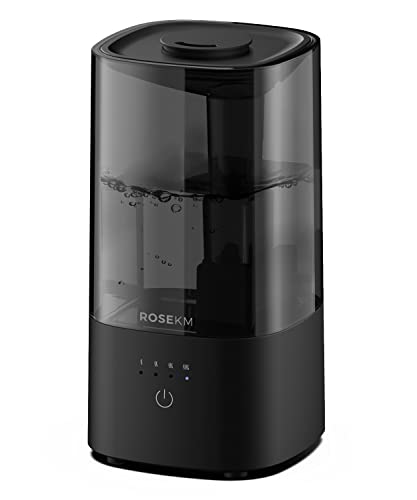
A humidifier adds moisture to the air, and a dehumidifier removes moisture from the air. The choice between a humidifier vs dehumidifier depends entirely on your indoor humidity level and the discomfort you are experiencing. If your home feels sticky, musty, or you see condensation on windows, you probably need a dehumidifier. If your skin feels dry, you get static shocks, or your throat feels scratchy at night, a humidifier is likely the right tool.
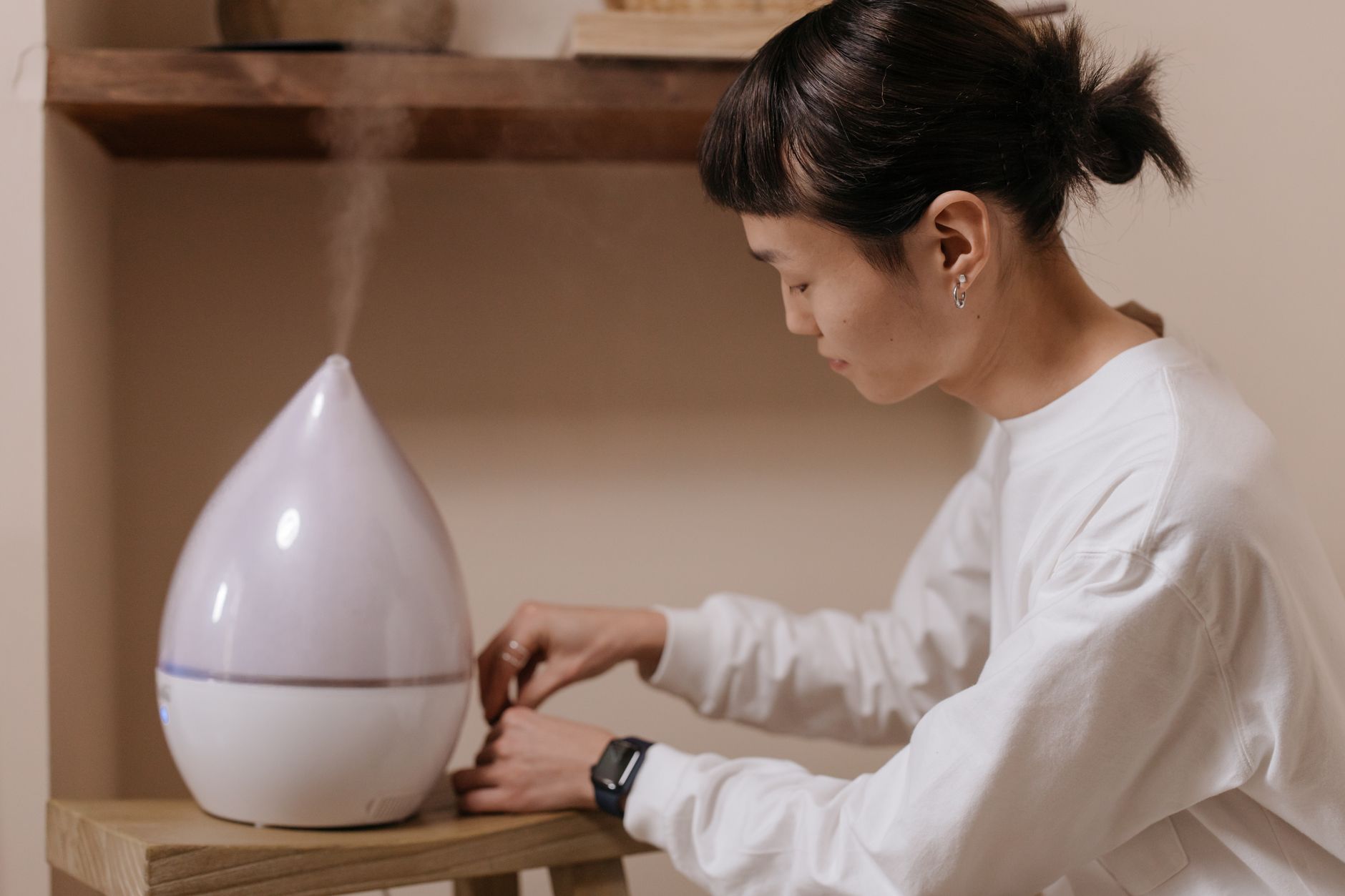
How a Humidifier vs Dehumidifier Works
A humidifier releases water vapor or steam into the air to raise the relative humidity in a room. This can be done through evaporation, ultrasonic vibrations, or heating water to create steam. The goal is to bring dry air up to a comfortable humidity level, typically between 30 and 50 percent.
A dehumidifier does the opposite. It pulls air in, cools it to condense moisture, and then reheats it before releasing it back into the room. The collected water drains into a bucket or a hose. This process lowers the relative humidity, which helps prevent mold, mildew, and dust mites.
Signs You Need a Humidifier
Dry air is most common in winter when heating systems strip moisture from indoor spaces. If you wake up with a dry throat, cracked lips, or irritated sinuses, the humidity in your bedroom is probably too low. Static electricity, peeling wallpaper, and gaps in wooden furniture are also strong signals that the air lacks moisture.
Houseplants with brown leaf edges and a persistent feeling of thirst even after drinking water can also point to low humidity. A humidifier can restore comfort and protect your skin, respiratory system, and even your home’s woodwork from drying out.
Signs You Need a Dehumidifier
High humidity is more common in summer, in basements, and in climates with heavy rainfall. If your home feels sticky, you notice condensation on windows, or you smell a musty odor, the humidity is likely too high. Mold spots on walls or ceilings and a damp feeling in closets are clear warnings.
Allergies and asthma symptoms often worsen in high humidity because dust mites and mold thrive in moist air. A dehumidifier helps keep humidity below 50 percent, which makes your home less hospitable to these allergens and protects your home from moisture damage.
Humidifier vs Dehumidifier for Health
Both devices can improve health, but they target opposite problems. A humidifier helps with dry skin, chapped lips, nosebleeds, and respiratory irritation caused by dry air. It can also ease congestion by keeping nasal passages moist.
A dehumidifier helps with allergy and asthma symptoms triggered by mold, dust mites, and mildew. It also makes a room feel cooler and more comfortable in hot weather, which can improve sleep. Choosing the wrong one for your situation, however, can make your symptoms worse.
Humidifier vs Dehumidifier for Your Home
Using a humidifier in a room that is already too humid can lead to condensation on walls, peeling paint, and mold growth. Using a dehumidifier in a room that is too dry can make the air uncomfortably cold and dry out wooden floors and furniture. The key is to measure your humidity first.
A simple hygrometer costs very little and tells you your exact indoor humidity. If the reading is below 30 percent, you need a humidifier. If it is above 50 percent, you need a dehumidifier. Between 30 and 50 percent, you likely do not need either device.
How to Measure Humidity and Choose
To make the right choice between a humidifier and a dehumidifier, start by measuring your indoor humidity with a hygrometer. Check the reading in the room where you spend the most time, ideally in the morning before cooking or showering adds moisture.
If the humidity is too low, get a humidifier and place it in the room where you sleep or spend most of your time. If the humidity is too high, get a dehumidifier and place it in the dampest area, such as a basement or bathroom. Always follow the manufacturer’s instructions for cleaning to prevent bacteria or mold growth inside the device.
Frequently Asked Questions
Can I use a humidifier and a dehumidifier in the same room?
You can, but it is usually unnecessary and wastes energy. If your home has areas with different humidity levels, such as a dry bedroom and a damp basement, using both devices in separate rooms makes sense. Running them in the same room at the same time would be counterproductive.
Which is better for allergies a humidifier or a dehumidifier?
It depends on the allergen. A dehumidifier is better for allergies caused by dust mites, mold, and mildew because these thrive in high humidity. A humidifier can help with allergies that cause dry nasal passages and throat irritation, but it can also worsen mold and dust mite problems if the air becomes too moist.
What humidity level is ideal for a home?
The ideal indoor humidity level is between 30 and 50 percent. This range is comfortable for most people and prevents both the problems of dry air and the problems of excessive moisture. A hygrometer is the easiest way to check if your home falls within this range.
Does a humidifier cool a room?
A humidifier does not cool a room in the same way an air conditioner does. However, adding moisture to dry air can make a room feel slightly warmer in winter because moist air holds heat better. In summer, a dehumidifier can make a room feel cooler by reducing the humidity that makes you feel sticky and uncomfortable.
Related Guides
Final Thoughts on Humidifier vs Dehumidifier
The difference between a humidifier and a dehumidifier is simple: one adds moisture, the other removes it. Your choice should always be based on your measured indoor humidity, not on guesswork.