To clean a coffee maker with vinegar, fill the water reservoir with a mixture of equal parts white vinegar and water, then run a full brew cycle. This natural descaling solution dissolves mineral buildup from hard water, which can affect your coffee’s taste and your machine’s performance. After the cycle, run two or three cycles of plain water to rinse away any vinegar residue. This method works for most drip coffee makers and is the most recommended approach by appliance manufacturers.
Why Vinegar Works for Descaling Coffee Makers
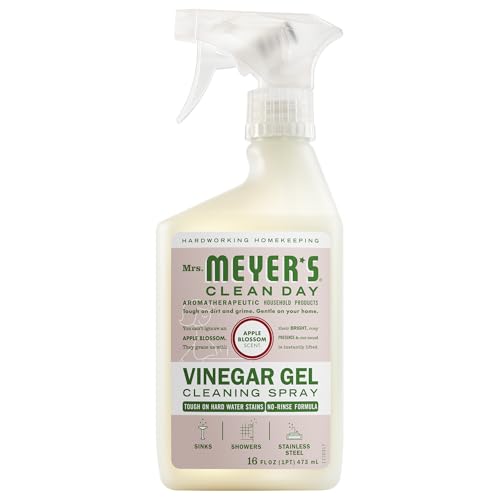
Vinegar is a mild acid, typically acetic acid at 5% concentration, that breaks down calcium carbonate and limescale deposits. These deposits accumulate inside your coffee maker over time, especially if you have hard water. They can clog water lines, slow down brewing, and leave a bitter or metallic taste in your coffee.
Using vinegar is a low-cost, non-toxic alternative to commercial descaling solutions. It’s safe for most coffee maker materials, including glass carafes, plastic reservoirs, and stainless steel components. However, it’s important to check your machine’s manual first, as some manufacturers recommend specific descaling products to avoid voiding the warranty.
How Often Should You Clean Your Coffee Maker with Vinegar?
The frequency depends on your water hardness and how often you use the machine. A good rule of thumb is to descale every three to six months. If you notice your coffee maker brewing slower than usual, or if your coffee tastes off, it’s a sign that mineral buildup is present.
For daily users with moderately hard water, quarterly cleaning is usually sufficient. If you use a water softener or filtered water, you can stretch the interval to every six months. Pay attention to visible scale around the water reservoir or on the heating plate, as these are clues that a vinegar cleaning is overdue.
Step-by-Step: How to Clean a Coffee Maker with Vinegar
Start by emptying the coffee maker of any old grounds and rinsing the carafe. Mix a solution of equal parts white vinegar and water, and pour it into the water reservoir. Place a paper filter in the basket, then start a brew cycle. Once the cycle finishes, let the machine sit for 15 to 30 minutes to allow the vinegar solution to soak internal parts.
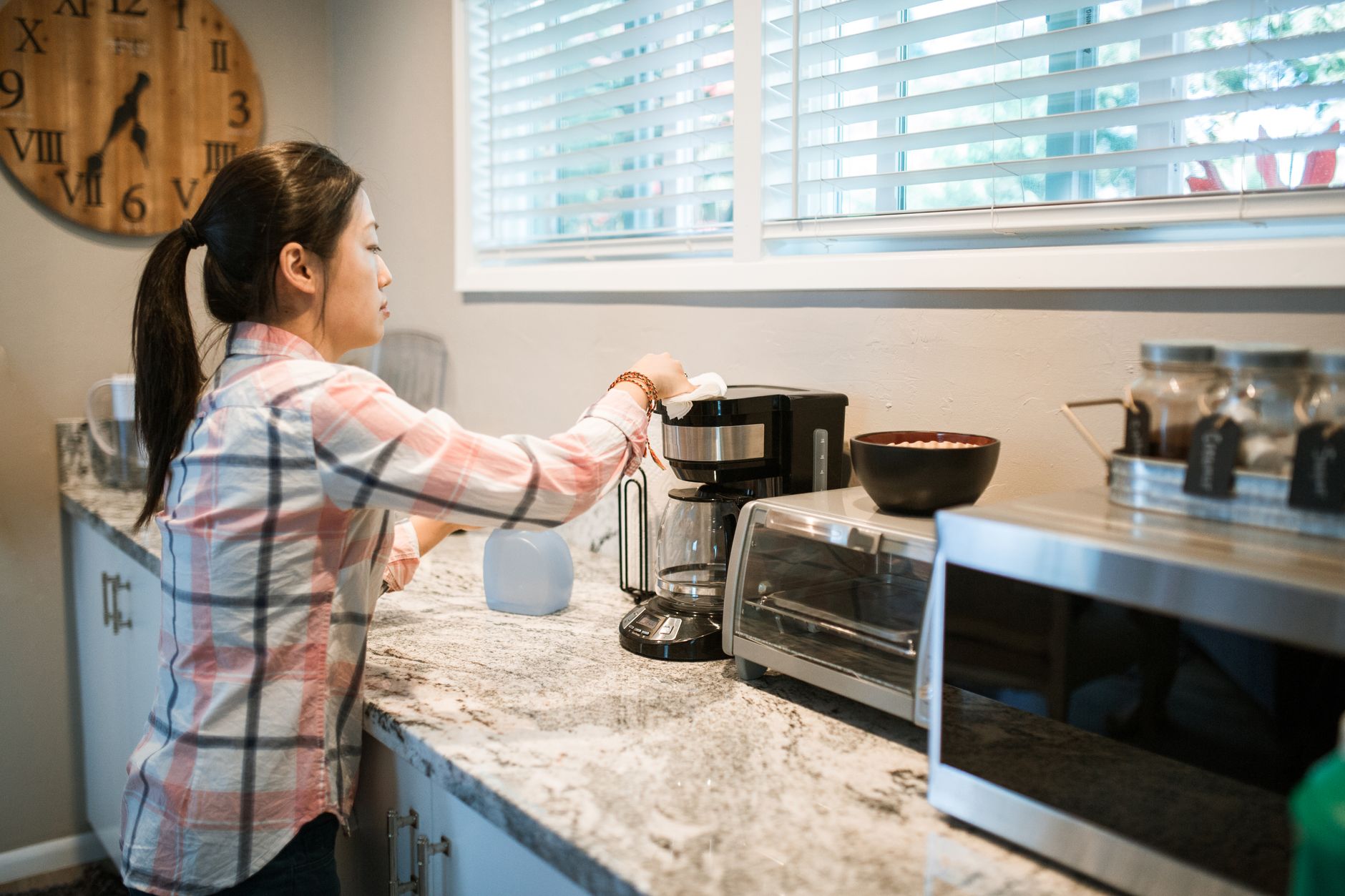
After the soak, discard the vinegar solution and the used filter. Fill the reservoir with fresh water and run a full brew cycle. Repeat this rinsing process two or three times until you no longer smell vinegar during brewing. Finally, wipe down the exterior and the warming plate with a damp cloth.
Common Mistakes to Avoid When Using Vinegar
One common mistake is using too much vinegar, which can leave a strong aftertaste even after rinsing. Stick to a 1:1 ratio of vinegar to water. Another mistake is skipping the rinsing cycles, which can result in coffee that tastes like vinegar for days. Always run at least two full water cycles to ensure all residue is gone.
Do not use vinegar in coffee makers with aluminum components, as the acid can corrode the metal. Also, avoid using vinegar in machines with a built-in water filter, as it can damage the filter. Remove any water filter before starting the cleaning process.
What to Do If Vinegar Doesn’t Work
If your coffee maker still brews slowly or produces weak coffee after a vinegar cleaning, the mineral buildup may be severe. In that case, try a more concentrated solution, such as a 2:1 ratio of vinegar to water, and let it soak for up to an hour. If that doesn’t help, you might need a commercial descaling product specifically designed for heavy limescale.
Another possibility is that the machine has a mechanical issue, such as a clogged water pump or a faulty heating element. If descaling doesn’t resolve the problem, consult your manufacturer’s support or consider replacing the machine. Regular maintenance can prevent these issues from developing in the first place.
How to Fix a Coffee Maker That Needs Descaling
- Mix a 1:1 solution of white vinegar and water.
- Run a brew cycle with the vinegar solution, then let it sit for 15-30 minutes.
- Discard the solution and run 2-3 cycles of fresh water to rinse.
- Remove any water filter before cleaning.
- Check your machine’s manual for specific descaling recommendations.
If you’re dealing with a different appliance that also needs regular descaling, you might find our guide on how to drill into concrete helpful for a completely different kind of home maintenance task. While it’s not about coffee makers, it covers a similar step-by-step approach to tackling a common household project.
Frequently Asked Questions
Can I use apple cider vinegar instead of white vinegar?
Yes, but white vinegar is preferred because it’s clear and has a milder smell. Apple cider vinegar can leave a slight residue and may not be as effective at descaling due to its lower acidity. If you use it, stick to the same 1:1 ratio with water.
Is it safe to clean a coffee maker with vinegar every week?
No, weekly cleaning with vinegar is too frequent and can damage rubber seals and gaskets over time. Stick to a schedule of every three to six months, or more often only if you have very hard water and notice scale buildup quickly.
Will vinegar damage my coffee maker’s plastic parts?
Diluted white vinegar is generally safe for plastic components in short exposures. However, prolonged soaking or undiluted vinegar can cause plastic to become brittle or discolored. Always use the recommended 1:1 dilution and avoid letting the solution sit for more than an hour.
How do I get the vinegar smell out of my coffee maker?
Run two or three full cycles of fresh water through the machine. If the smell persists, add a teaspoon of baking soda to the water in the final rinse cycle. Baking soda neutralizes odors and helps remove any remaining vinegar residue.
Related Guides
- Coffee Maker Not Brewing Full Amount
- Why Is My Coffee Maker Leaking From The Bottom?
- Why Does My Coffee Maker Taste Bitter?
Closing Thoughts
Cleaning your coffee maker with vinegar is an effective, budget-friendly way to remove mineral buildup and keep your coffee tasting fresh. By following the steps outlined above and cleaning every three to six months, you can extend the life of your machine.