Your coffee maker produces bitter coffee primarily because of mineral buildup, old coffee grounds, or incorrect water temperature. These factors overextract bitter compounds from the coffee, leaving you with a harsh, unpleasant cup. Understanding the specific cause in your machine is the first step to fixing it quickly.
1. Mineral Buildup from Hard Water
Hard water contains calcium and magnesium that accumulate inside your coffee maker over time. This mineral scale coats the heating element and internal pipes, causing the water to heat unevenly and stay in contact with the grounds longer than intended. The result is overextraction and a bitter taste.
If you notice white flakes in your coffee or a slower brew cycle, mineral buildup is likely the culprit. Descaling your machine every few months with a vinegar solution or a commercial descaling product can resolve this issue completely.
2. Using Old or Stale Coffee Grounds
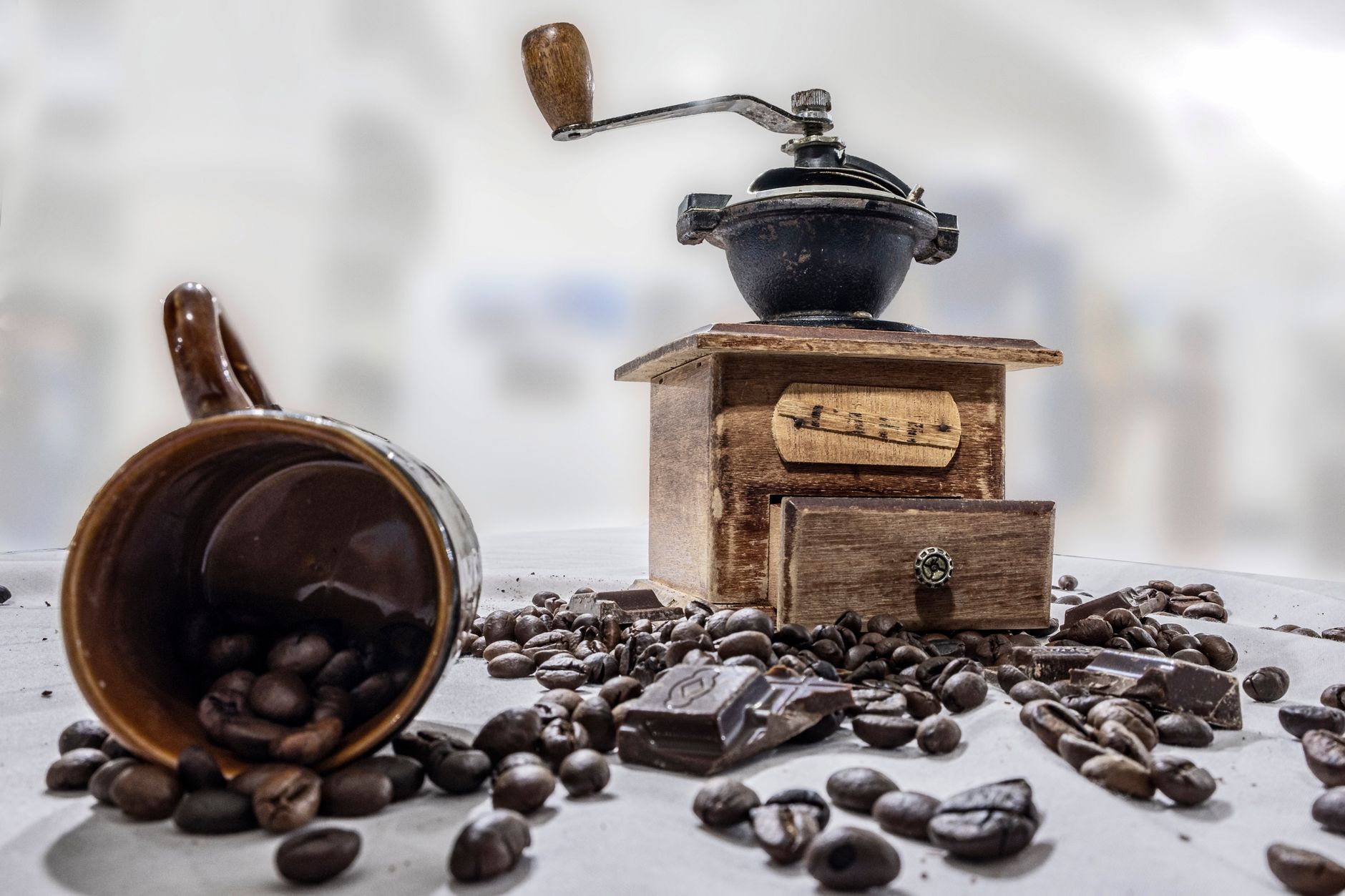
Freshness matters more than most people realize. Coffee grounds that are more than two weeks old lose their aromatic oils and develop a stale, bitter flavor. When you brew with these grounds, the bitterness becomes more pronounced because the pleasant flavors have already degraded.
Always check the roast date on your coffee packaging. Whole beans stay fresh longer than pre-ground coffee, so grinding just before brewing can also reduce bitterness. Store your coffee in an airtight container away from light and heat.
3. Water Temperature Too High
Ideal brewing temperature for coffee is between 195°F and 205°F (90°C to 96°C). If your coffee maker heats water above this range, it extracts bitter compounds from the grounds too quickly. Many automatic drip machines run hot by design, especially if they lack temperature control.
You can test your machine’s temperature with a kitchen thermometer. If it consistently exceeds 205°F, consider using a slightly coarser grind or brewing with a shorter contact time to compensate. Some machines allow you to adjust the brew temperature in their settings.
4. Grind Size Too Fine
A fine grind increases the surface area of the coffee, which leads to faster extraction. If your grind is too fine for your brew method, the water will pull out bitter compounds before the pleasant flavors have a chance to balance. This is especially common with espresso machines and French presses.
For drip coffee makers, a medium grind is typically best. If your coffee tastes bitter, try a coarser grind setting. You can adjust your grinder or buy pre-ground coffee labeled for drip machines.
5. Dirty Coffee Maker Components
Old coffee oils and residue can build up on the carafe, filter basket, and showerhead. These rancid oils transfer to your fresh brew, adding a bitter, off flavor. A clean machine tastes noticeably better, but many people overlook regular cleaning of these parts.
Wash the carafe and filter basket with warm, soapy water after each use. Once a month, run a cycle with vinegar or a cleaning tablet to remove oil buildup from internal parts. Rinse thoroughly afterward to avoid any vinegar taste.
6. Overextraction from Long Brew Time
If your coffee maker takes longer than six minutes to brew a full pot, the water is in contact with the grounds for too long. This overextracts bitter compounds, especially if the machine uses a slow drip or a pause-and-serve feature that holds water over the grounds.
Check your machine’s brew time. If it’s consistently over six minutes, descale the machine first, as scale buildup can slow the flow. If that doesn’t help, consider reducing the amount of coffee grounds slightly to shorten the extraction time.
7. Using the Wrong Water-to-Coffee Ratio
Too much coffee relative to water will produce an overly strong, bitter brew. The standard ratio is about two tablespoons of ground coffee per six ounces of water. If you use more coffee than that, the water cannot extract evenly, leading to bitter flavors.
Measure your coffee and water precisely for a few brews to see if the ratio is off. A kitchen scale can help you get consistent results. Adjust down by one tablespoon at a time until the bitterness fades.
How to Fix Bitter Coffee from Your Coffee Maker
Here is a quick checklist to address each cause of bitter coffee. Start with the most likely issue for your machine and work through the list until the taste improves.
- Descale your coffee maker with vinegar or a commercial descaler every one to three months.
- Use fresh coffee grounds, ideally within two weeks of the roast date, stored in an airtight container.
- Check your brew temperature and adjust the grind size or brew time if needed.
- Switch to a medium grind for drip coffee makers or a coarser grind for French presses.
- Clean the carafe, filter basket, and showerhead after each use, and deep clean monthly.
- Shorten the brew time by descaling or using less coffee if your machine runs longer than six minutes.
- Measure your coffee and water precisely using a standard ratio of two tablespoons per six ounces.
If you have tried these fixes and your coffee still tastes bitter, the issue may be with the machine itself.
Related Guides
- Coffee Maker Not Brewing?
- Coffee Maker Not Brewing Full Amount
- How to Clean a Coffee Maker with Vinegar
Frequently Asked Questions
Can using filtered water reduce bitterness?
Yes, filtered water has fewer minerals that cause scale buildup, which is a common source of bitterness. It also lacks chlorine and other impurities that can affect taste. If your tap water is hard, filtered water can make a noticeable difference.
Does the type of coffee roast affect bitterness?
Yes, dark roasts are naturally less acidic but can taste more bitter if overextracted. Light roasts retain more acidity and can taste sour rather than bitter. Medium roasts are often the best balance for avoiding bitterness in most coffee makers.
Why does my coffee taste bitter only sometimes?
Intermittent bitterness usually points to a variable factor like grind size, water temperature, or coffee freshness. If you change beans or grind settings between brews, the taste can shift. Consistency in your process will help isolate the cause.
Can a dirty coffee maker cause bitter coffee even with fresh grounds?
Absolutely. Old coffee oils and mineral scale can impart a bitter taste to fresh water and grounds. Even if you use the best beans, a dirty machine will ruin the flavor. Regular cleaning is essential for consistent taste.
How often should I descale my coffee maker?
Most manufacturers recommend descaling every three to six months, but hard water areas may need it every month. If you notice slower brewing or white flakes, descale sooner. Follow your machine’s manual for the best results.
Bitter coffee from your coffee maker is almost always fixable by addressing mineral buildup, stale grounds, or incorrect brewing parameters. Start with descaling and checking your grind size, and you will likely see an improvement. For more appliance troubleshooting tips, explore our blog for guides on keeping your household tools in top shape.