If your espresso machine is not building pressure, the most likely cause is a blockage in the brew head, a faulty pump, or an issue with the water supply. Without sufficient pressure, water cannot properly extract flavor from the coffee grounds, resulting in weak, watery espresso or no output at all. Understanding the root cause is the first step to getting your machine back to working order, and most issues can be diagnosed and fixed at home without professional help.
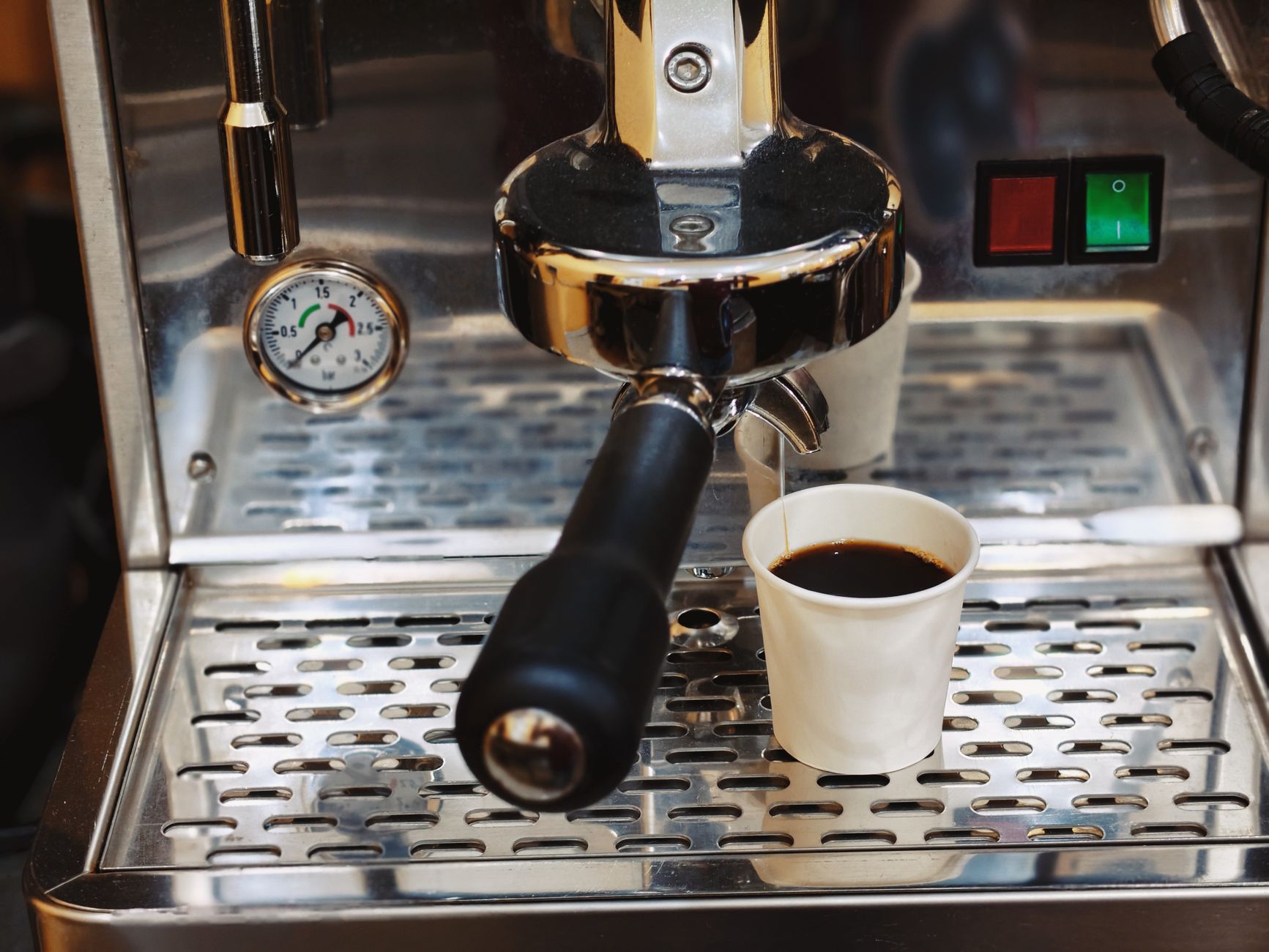
1. Clogged Brew Head or Portafilter
Over time, coffee oils and residue can accumulate in the brew head and portafilter basket, restricting water flow and preventing pressure from building. This is one of the most common reasons an espresso machine is not building pressure. A simple backflush with a cleaning tablet or a thorough scrubbing of the portafilter and shower screen often resolves the issue.
If you notice that water trickles out slowly or only drips, a clog is almost certainly the culprit. Regular cleaning can prevent this from happening again.
2. Faulty or Worn Pump
The pump is the heart of any espresso machine, generating the 9 bars of pressure needed for proper extraction. If the pump is failing, you may hear a loud humming or clicking noise, but water will not flow or pressure will be very low. A worn pump often needs replacement, which is a job best left to a technician unless you have experience with appliance repair.
Before assuming the pump is bad, check if the machine is primed properly. Air in the pump can also cause a loss of pressure, especially after a water refill or if the machine has been unused for a while.
3. Blocked or Kinked Water Line
If your espresso machine is not building pressure, the water line connecting the reservoir to the pump could be blocked by mineral scale or debris, or it might be kinked. This restricts water supply to the pump, preventing it from building pressure. Check the water line for any visible bends or obstructions.
Descaling the machine regularly can prevent mineral buildup in the water line. If the line is kinked, straighten it out and ensure it has a clear path from the reservoir to the pump.
4. Air Lock in the System
An air lock occurs when air gets trapped in the pump or water lines, preventing water from flowing. This is common after refilling the water tank or if the machine has been stored for a long time. You may hear the pump running but see no water coming out.
To fix an air lock, you can try tilting the machine slightly to help air escape, or run water through the steam wand to prime the pump. Some machines have a manual priming button or process described in the user manual.
5. Overfilled or Incorrectly Ground Coffee
Using too much coffee or grinding too finely can create a puck that is too dense for water to pass through, causing the machine to struggle to build pressure. This often results in a sputtering flow or no flow at all. Conversely, using too little coffee or grinding too coarsely can cause water to flow too fast, preventing pressure from building.
If you suspect this, adjust your dose and grind size. A good starting point is a medium-fine grind and about 18 grams for a double shot, but this varies by machine and personal preference.
6. Scale Buildup in the Boiler or Group Head
Mineral scale from hard water can accumulate inside the boiler and group head, insulating heating elements and blocking water passages. This is a common cause of an espresso machine not building pressure over time, especially in areas with hard water. Descaling the machine with a descaling solution every few months can prevent this.
If descaling does not restore pressure, the scale may be too thick and require professional cleaning or part replacement. Regular maintenance is key to avoiding this issue.
How to Fix an Espresso Machine Not Building Pressure
Here is a step-by-step checklist to address the most common causes of low pressure in your espresso machine. Work through these in order, as the simplest fixes are often the most effective.
- Clean the portafilter and brew head thoroughly, and backflush if your machine supports it.
- Check the water line for kinks or blockages and straighten or clear them.
- Prime the pump by running water through the steam wand or using the machine’s priming function.
- Descale the machine to remove mineral buildup in the boiler and group head.
- Adjust your coffee dose and grind size to ensure the puck is not too dense or too loose.
- If the pump is humming but no water flows, it may need replacement by a technician.
If these steps do not restore pressure, the issue may be more complex, such as a faulty pressure valve or a broken pump. However, for espresso machines, professional service is often the safest next step.
Frequently Asked Questions
Can low water pressure in my home affect my espresso machine?
Yes, if your home water pressure is very low, it can impact the machine’s ability to fill its boiler and build pressure. Most espresso machines have a built-in pump that compensates, but extremely low incoming pressure can still cause issues. Check your home’s water pressure at a faucet to rule this out.
Why does my espresso machine lose pressure during the shot?
Pressure loss during extraction often indicates a problem with the coffee puck, such as channeling (water finding a path through the puck) or a grind that is too coarse. It can also be caused by a faulty pressure release valve or a worn pump. Adjusting grind size and tamping evenly usually helps.
Is it safe to use my espresso machine if it is not building pressure?
It is generally safe to use, but it will not produce proper espresso. However, if the pump is running but no water flows, the machine could overheat, potentially damaging internal components. It is best to stop using it until you identify and fix the problem.
How often should I descale my espresso machine?
Descaling frequency depends on your water hardness. In general, descale every 2 to 3 months if you use tap water, or every 6 months if you use filtered or soft water. Signs you need to descale include slow water flow, unusual noises, or a buildup of white residue.
Can a clogged steam wand cause low pressure?
Yes, a clogged steam wand can indirectly affect pressure by restricting water flow in the system. While the steam wand is separate from the brew group, a blockage can cause the pump to work harder or air to be trapped. Clean the steam wand tip with a pin and purge it regularly.
Related Guides
- Best Espresso Machine Without Pods
- Best Espresso Machine for Beginners
- Best Automatic Espresso Machine for Home Baristas
- Breville Barista Express Alternatives: What to Look For
Closing Thoughts
An espresso machine not building pressure is usually caused by a simple blockage, air lock, or maintenance issue that you can fix at home. By cleaning, descaling, and checking your coffee preparation, you can often restore pressure without a costly repair.